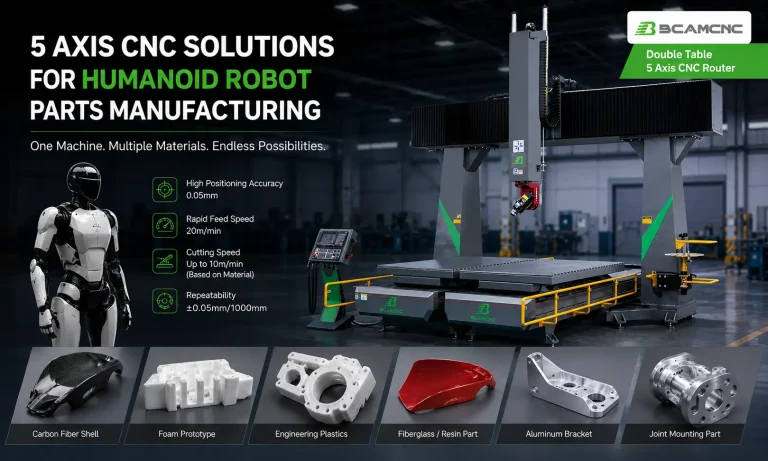

5 Axis CNC Solutions for Humanoid Robot Component Manufacturing

BCAMCNC_Humanoid_Robot_Banner

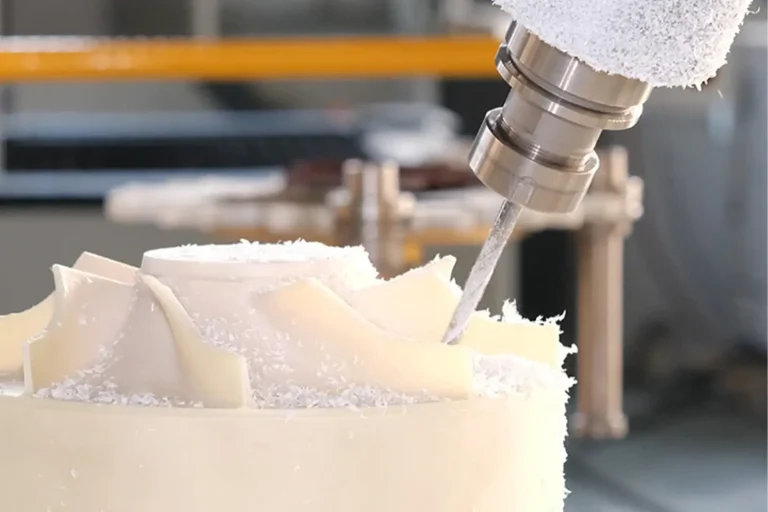
As humanoid robot development moves from concept design to physical production, manufacturers face growing demand for multi-material machining, rapid prototyping, and complex curved component processing. This article explores how BCAMCNC 5 axis CNC routers are used for machining robot arm shells, torso covers, joint mounting structures, foam prototypes, engineering plastics, composite molds, and lightweight aluminum components in modern humanoid robot manufacturing workflows.

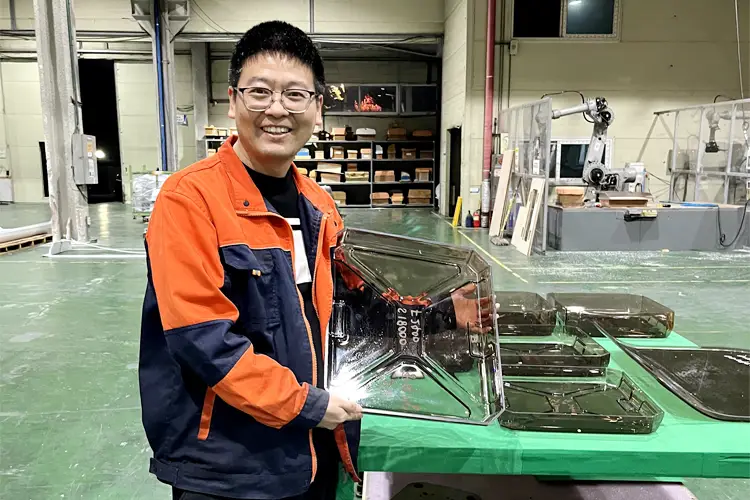
Why a Korean Hyundai Auto Parts Supplier Switched Composite Mold Machining to a BCAMCNC 5 Axis CNC Router

korean-auto-parts-supplier-composite-mold-inspection

A South Korean Hyundai Tier-1 supplier replaced part of its aging machining workflow with a BCAMCNC 5 axis CNC router after recurring problems with polishing workload, process instability, and unpredictable maintenance downtime started affecting mold production. This case study examines the real factory-floor issues behind the decision — including composite dust contamination, tool engagement consistency, fixture vibration, and downstream rework costs — and explains why production stability mattered more than spindle speed or brand reputation.

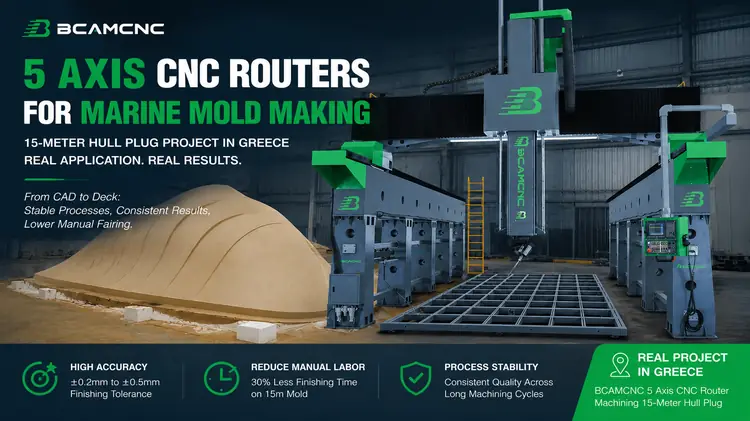
How 5 Axis CNC Routers Are Changing Large Marine Mold Production

bcamcnc_marine_mold_making_cover

Large marine mold production is not limited by spindle speed. The real bottleneck is process stability across long machining cycles, composite dust exposure, fixture alignment, and downstream finishing labor. This article examines how a BCAMCNC 5 axis CNC router was used by a Greek yacht manufacturer to machine 15-meter ship molds while reducing manual fairing, improving surface consistency, and stabilizing large-scale composite production workflows. Because eventually every shipyard discovers the same thing: sanding is not a manufacturing strategy.

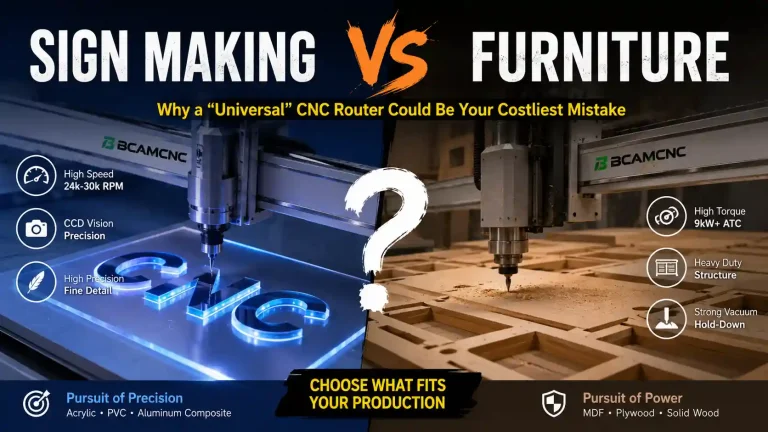
Sign Making or Furniture? Why a “Universal” CNC Router Could Be Your Costliest Mistake

sign-making-vs-furniture-cnc-router

Many CNC buyers search for one machine that can handle both sign making and furniture production. But in real manufacturing environments, “universal” often means compromise. This article explains the critical differences between sign-focused CNC routers and furniture nesting machines, covering spindle speed, machine structure, CCD systems, vacuum tables, automation, and long-term production stability. Learn how to choose the right CNC router based on your actual order structure instead of costly “what-if” scenarios.

The Spindle: Choosing the Heart of Your CNC Router

cnc-spindle-composite-material-machining

The Spindle Reality: Choosing Stability Over Marketing Specifications
In a real workshop, a brochure’s peak power rating means nothing if the bearings fail during a rush order. The true cost of a spindle isn't the purchase price—it’s the downtime, ruined materials, and secondary sanding. To maximize ROI, you must align cooling and torque with your actual daily workload, not just the highest numbers on a spreadsheet.

What Is a CNC Router Used For? Real Applications in Modern Manufacturing

router CNC automático ATC

What is a CNC router used for? From cabinet manufacturing and acrylic signage to aluminum composite processing and advanced 5-axis machining, CNC routers have become essential equipment in modern manufacturing. This guide explains real-world CNC router applications, material processing considerations, and how different industries use CNC technology to improve production efficiency and precision.