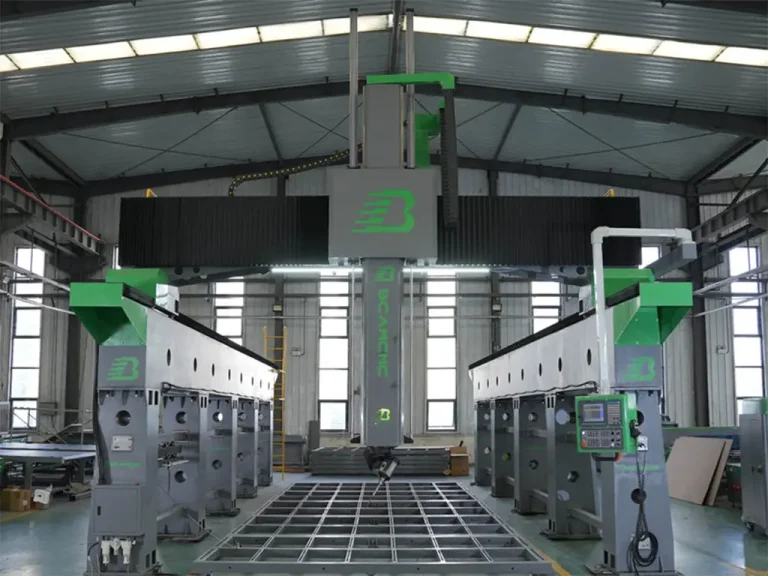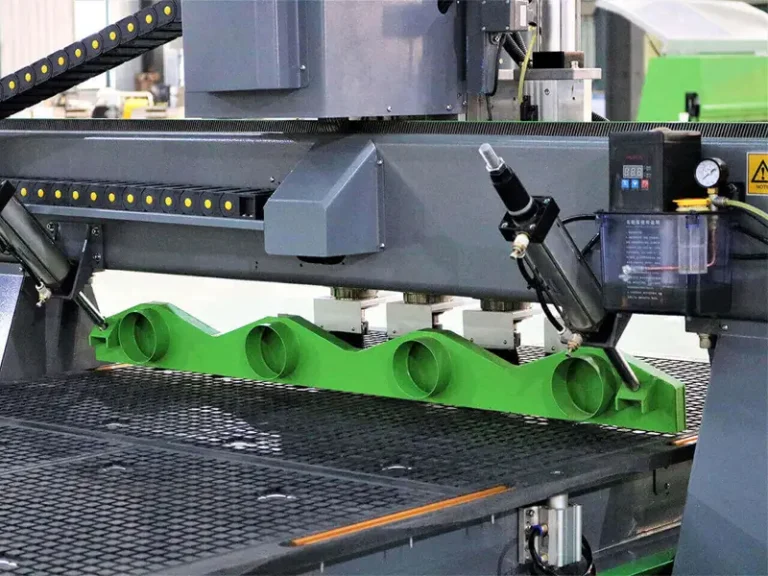

What is a CNC Router?
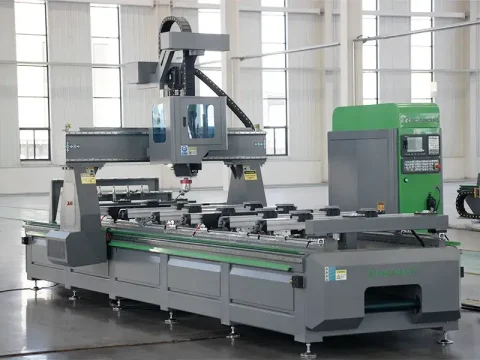
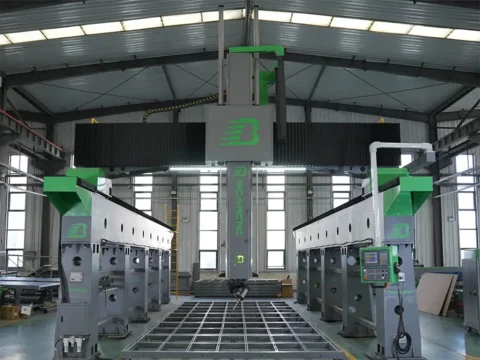
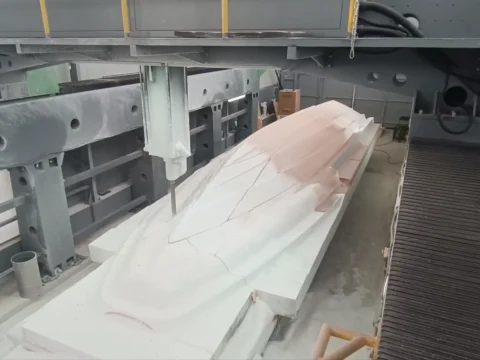
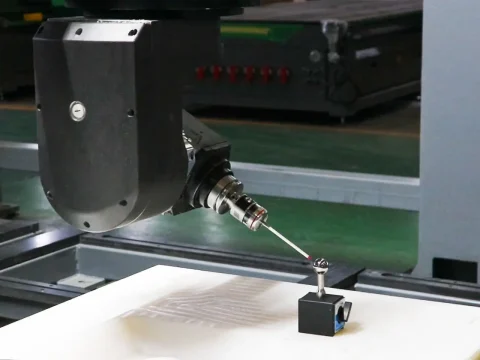
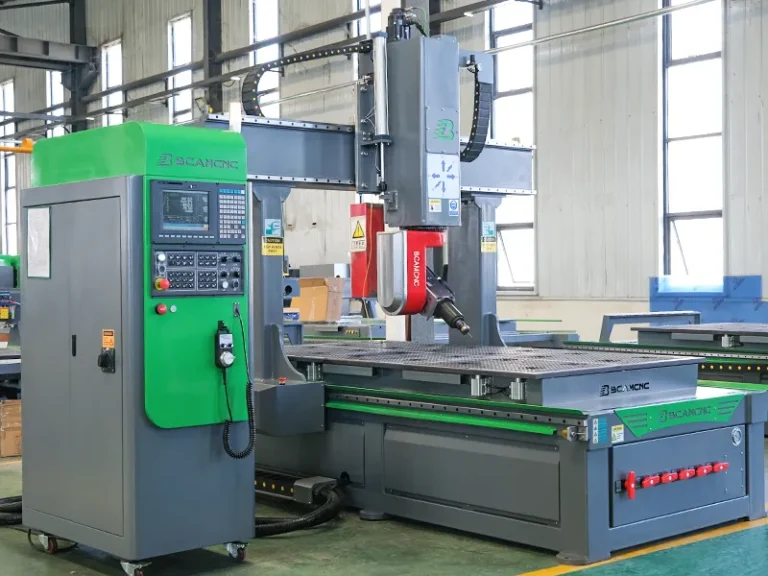
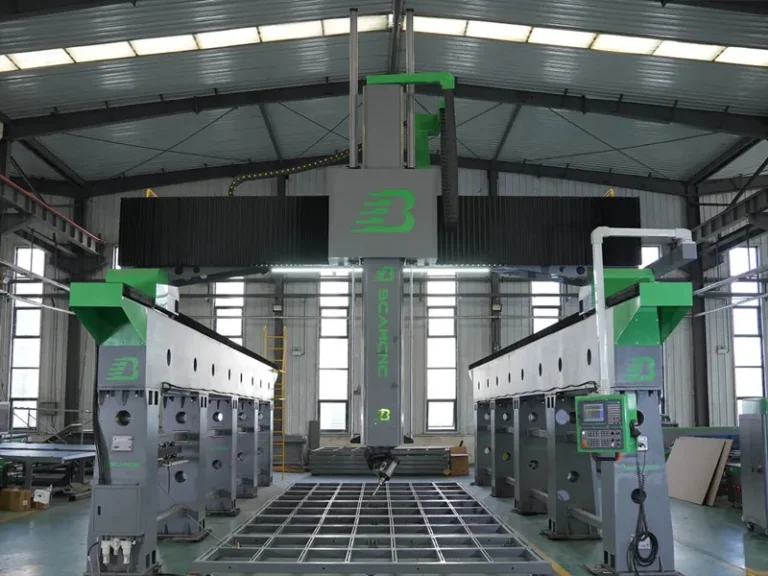
A CNC router is a computer-controlled cutting machine used for carving, cutting, and shaping materials such as wood, plastic, metal, and composites. Unlike traditional routers, CNC routers operate with high precision, following programmed designs to achieve consistent results.
Key Features of CNC Routers
1.High Precision: CNC routers follow digital designs with extreme accuracy, minimizing errors.
2.Versatility: Suitable for various materials including wood, acrylic, aluminum, and more.
3.Automatic Operation: Once programmed, CNC routers can run automatically, saving time and labor.
4.Tooling Options: Many CNC routers come with multiple tool heads, allowing complex operations like engraving, cutting, and drilling in one setup.
Applications of CNC Routers
- Woodworking: Cabinets, furniture, decorative panels, and signage.
- Metal Fabrication: Cutting thin sheets of aluminum, brass, and other metals.
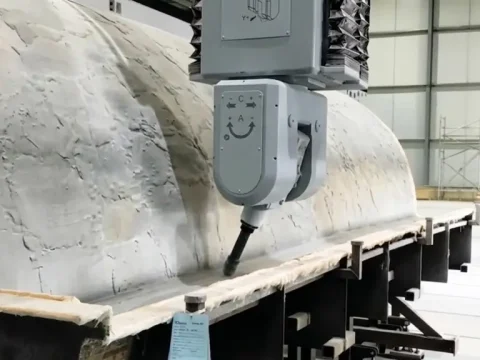
- Plastic and Composite Materials: Creating precise molds, prototypes, and product components.
- Custom Projects: Art, signage, and detailed engraving projects.
Benefits of Using a CNC Router
- Consistency: Produce identical parts repeatedly with high accuracy.
- Efficiency: Faster production compared to manual methods.
- Cost Savings: Reduce material waste and labor costs over time.
- Creative Freedom: Easily implement complex designs and intricate details.
Choosing the Right CNC Router
When selecting a CNC router, consider:
- Material type and thickness
- Workspace size and cutting area
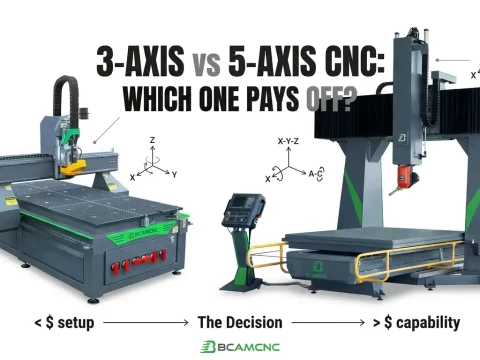
- Number of axes (3-axis, 4-axis, or 5-axis)
- Spindle power and speed
- Automation features like ATC (Automatic Tool Change)
Conclusion
CNC routers are essential tools for modern manufacturing and creative projects. Whether you are producing furniture, custom signage, or precision components, a CNC router provides the speed, accuracy, and versatility needed to take your production to the next level.