
The Real Bottleneck Isn’t Your Machine — It’s Your Process
Most manufacturers in 2026 don’t have a capacity problem; they have a process inefficiency problem.
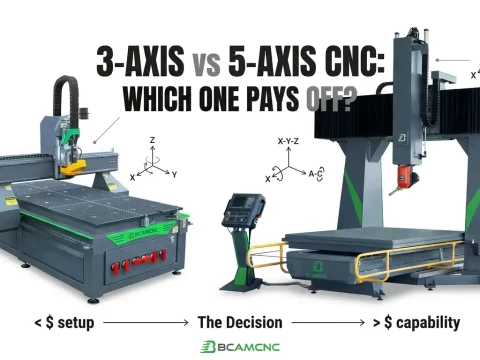
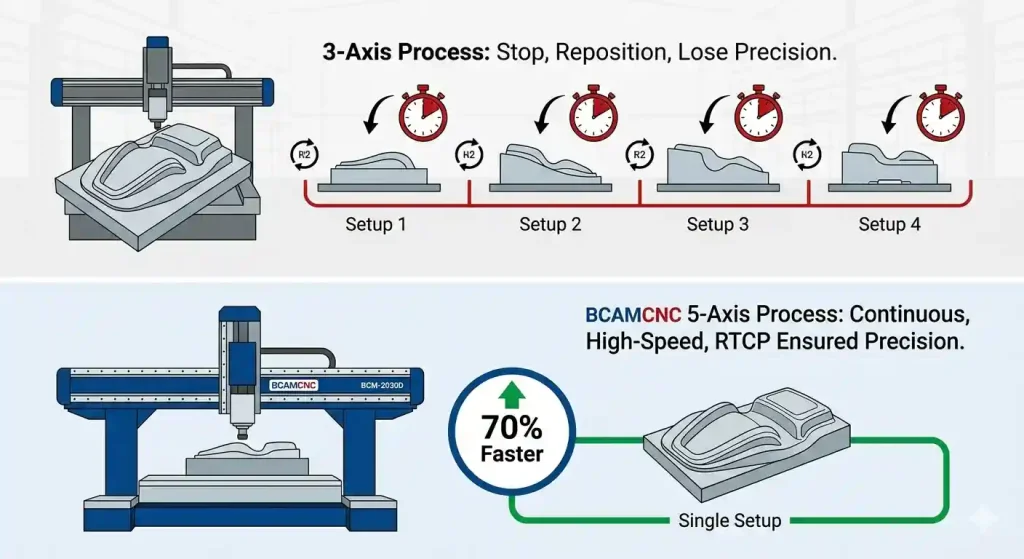
If your shop is still relying on 3-axis workflows or “3+2” positioning for complex parts, you are losing money every time the spindle stops. Manual flipping and re-clamping aren’t just slow—they are the silent killers of your precision.
Every additional setup introduces:
-
Accumulated Alignment Errors: 0.05mm here and there adds up to a rejected part.
-
Wasted Labor Hours: Skilled operators spending time moving parts instead of managing production.
-
Surface Inconsistency: Tool marks that require hours of manual sanding.
BCAMCNC 5-axis technology doesn’t just cut parts; it eliminates the bottlenecks that stop your growth.
1. The “Setup Trap” Is Killing Your Profit
In 2026, labor is your most expensive overhead. Every time an operator repositions a workpiece, your margins disappear.
BCAMCNC Edge: RTCP Technology = Accuracy Insurance
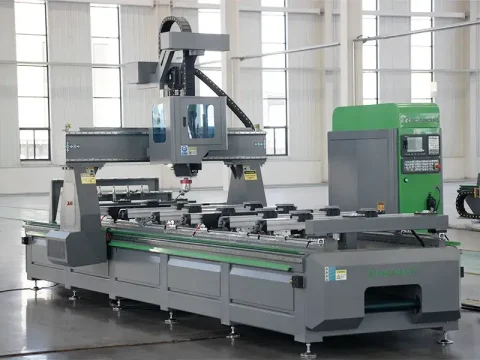
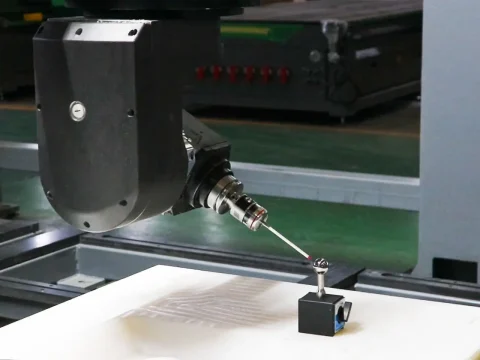
Our BCM-series 5-axis machines utilize RTCP (Rotated Tool Center Point) technology. Unlike basic machines, BCAMCNC’s integration ensures:
-
Locked Tool Positioning: The tool tip stays perfectly synced with the part surface, regardless of the spindle angle.
-
Dynamic Compensation: The controller automatically adjusts for rotation, eliminating the need to re-zero after repositioning.
-
Zero-Defect Geometry: Achieve consistency that is physically impossible with manual setups.
2. Material Versatility: From Carbon Fiber to Heavy-Duty Molds
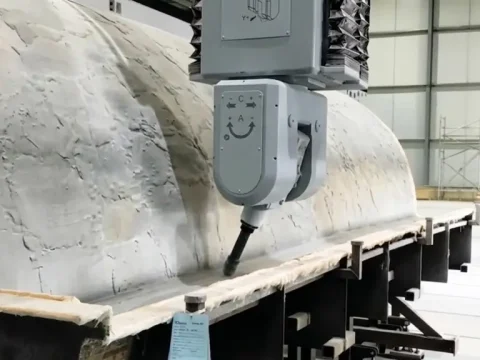
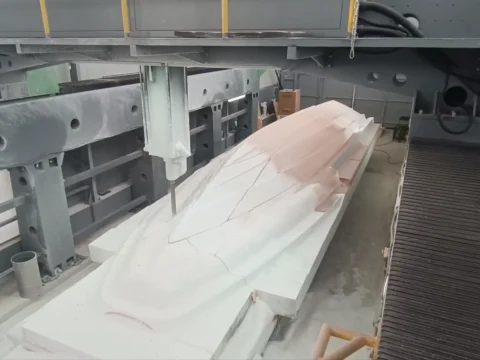
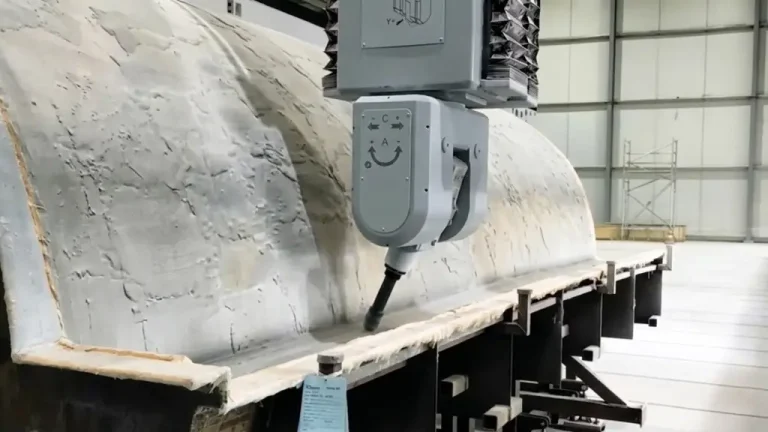
High-margin industries—Aerospace, EV Automotive, and High-end Furniture—demand more than just wood cutting. You are now dealing with Carbon Fiber composites, Aluminum, and High-density EPS.
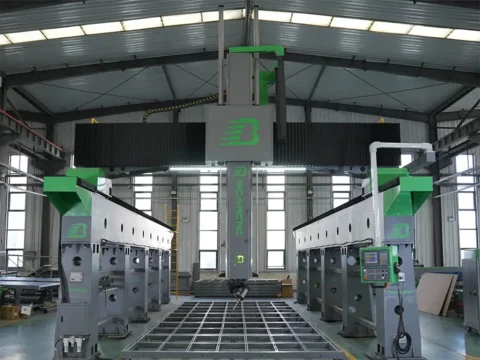
Most “entry-level” 5-axis machines fail here because they lack rigidity. BCAMCNC is built for real industrial loads.
-
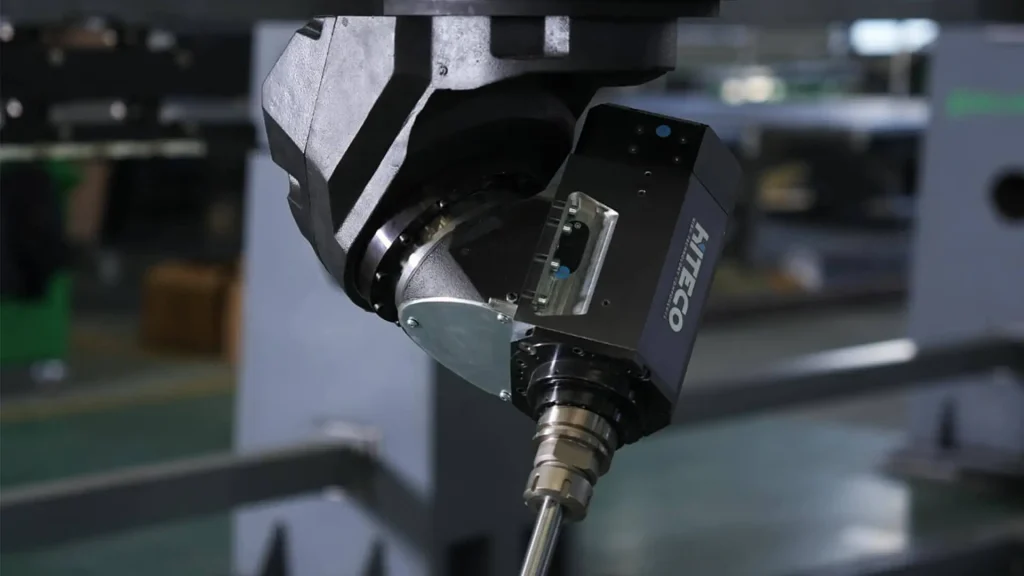
Italian Hiteco Spindles: Industry-standard torque and high-speed stability for flawless surface finishes.
-
Yaskawa Servo Systems: High-resolution feedback for smooth multi-axis simultaneous motion.
-
Stress-Relieved Frames: Our machine beds are heat-treated to ensure they never warp under 24/7 production pressure.
3. ROI Is No Longer a Guessing Game
“Is 5-axis too expensive?” That’s a 2020 question. In 2026, the question is: “How much is my 3-axis inefficiency costing me every month?”
The Real Impact of BCAMCNC Integration:
-
Consolidated Workflow: One BCAMCNC 5-axis machine can replace the throughput of three 3-axis setups.
-
Surface Finish Advantage: Simultaneous movement maintains the optimal cutting angle, reducing hand-sanding time by up to 70%.
-
Labor Independence: Run complex, multi-sided cycles with minimal human intervention.
4. Why BCAMCNC? We Sell Solutions, Not Just Steel
Many suppliers sell components; we sell a Production Advantage.
-
Syntec / OSAI Control Systems: Pre-optimized for complex 3D interpolation and real-time path correction.
-
Industrial-Grade Integration: We don’t use “showroom parts.” Every bearing, rail, and cable is selected for continuous, heavy-duty industrial environments.
-
Lifetime Support: Our engineers understand your toolpaths as well as your machine.
The Bottom Line: Stay Competitive or Get Left Behind
The shift to 5-axis machining isn’t a trend—it’s the 2026 standard. If you are still fixing errors with manual sanding and wasting hours on setups, your competitors are already outbidding you.
Precision, speed, and consistency aren’t “extras” anymore—they are requirements.
Ready to Upgrade Your Production?
Don’t just buy a machine—invest in a faster workflow.
Contact BCAMCNC today and stop the “Setup Trap” once and for all.