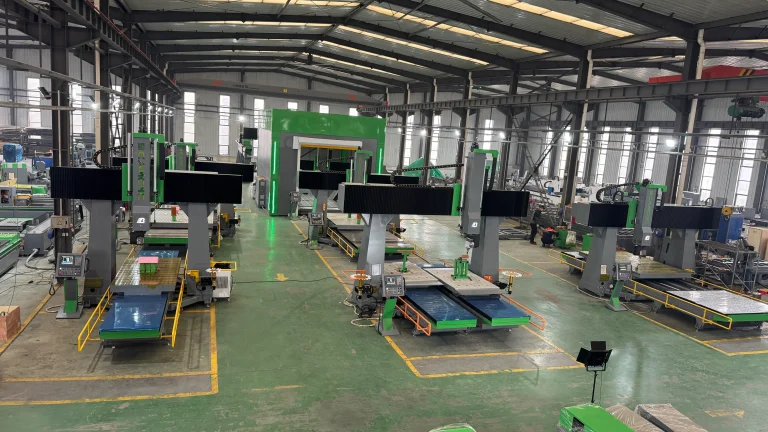

Investing in a 5-axis CNC router is a strategic decision for manufacturers working with complex parts and high-value projects. Unlike standard CNC machines, a 5-axis CNC router involves higher technical requirements, more complex programming, and a significantly larger investment. A wrong choice can easily result in production inefficiency, quality issues, or long-term operational losses worth tens of thousands of dollars.
Many buyers focus heavily on specifications or price at the early stage, but real risks usually appear after the machine is installed and put into daily production.
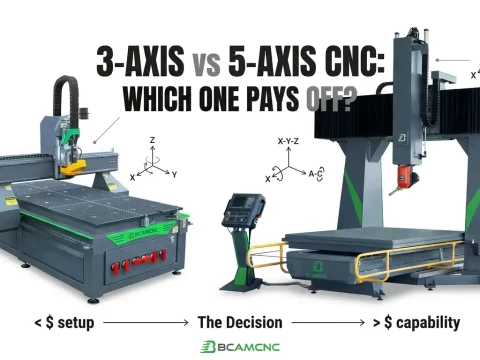
One of the most common problems is purchasing a 5-axis CNC router without clearly defining its actual application. Some manufacturers assume that a 5-axis machine automatically improves productivity, but if the parts do not truly require multi-angle or continuous 5-axis machining, the machine may remain underutilized. A professional supplier like BCAMCNC usually starts by understanding the customer’s materials, part geometry, and production workflow before recommending a 5-axis solution. This step alone helps avoid unnecessary investment and configuration errors.
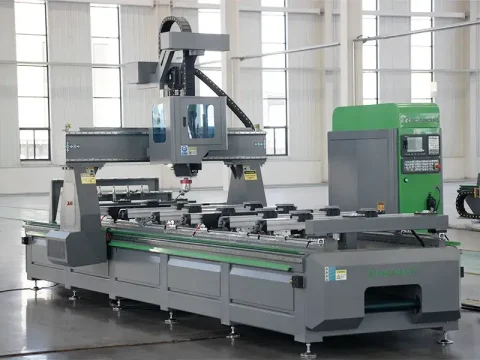
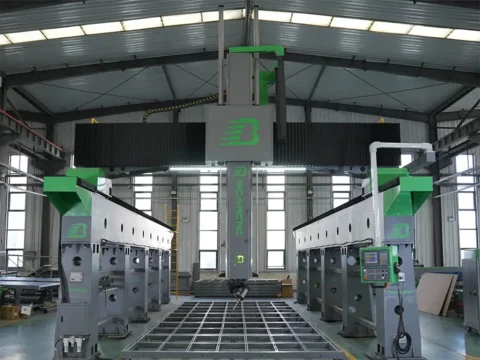
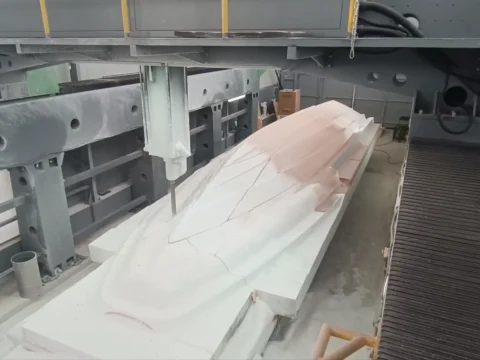
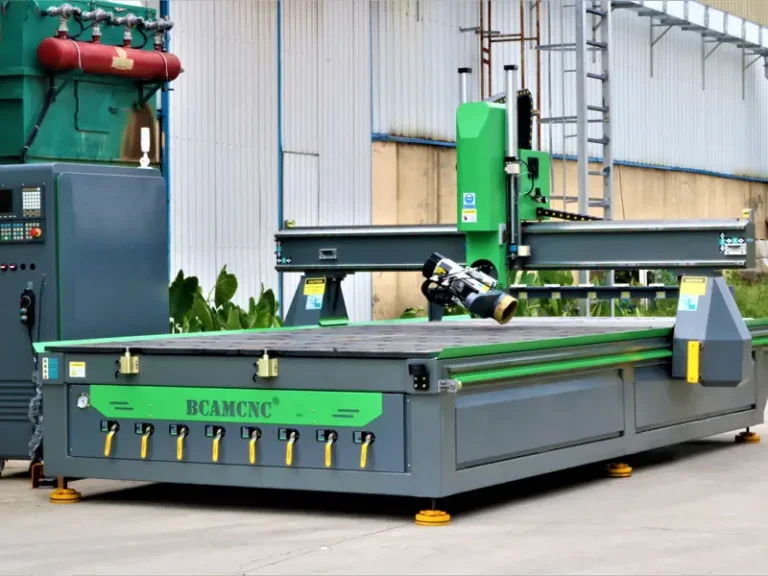
Machine rigidity is another critical factor that is often underestimated. A 5-axis CNC router experiences complex cutting forces from different directions, especially when machining curved surfaces or deep cavities. If the machine frame lacks stiffness, vibration and accuracy loss become unavoidable. Industrial-grade machines from BCAMCNC are built with heavy welded steel structures and stress-relief treatment, ensuring stable performance during long machining cycles and consistent surface quality.
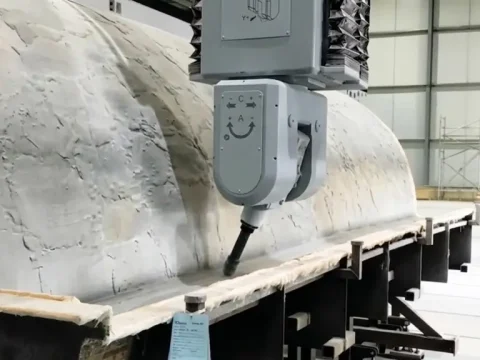
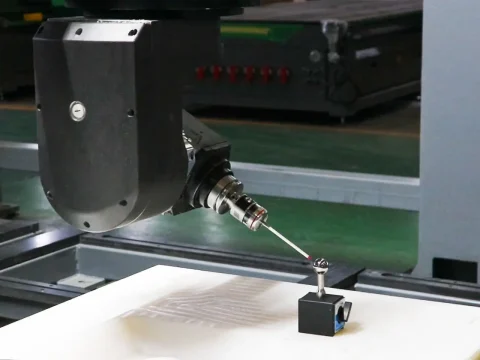
The 5-axis head itself is also a key area where costly mistakes occur. Not all 5-axis heads offer the same accuracy, rotation range, or long-term stability. In real production, even small angular deviations can lead to part rejection or rework. A reliable 5-axis CNC router must use a proven head configuration with precise control of rotary axes. This is especially important for industries such as mold making, aerospace components, and high-end woodworking.
Control systems and software compatibility are equally important but often overlooked during the buying process. A powerful 5-axis CNC router requires a stable CNC controller that supports advanced interpolation and integrates smoothly with mainstream CAM software. Without proper software support, even a high-quality machine can become difficult to operate. BCAMCNC focuses on providing user-friendly control systems and technical guidance to help operators quickly adapt to 5-axis machining.
Another frequent mistake is evaluating the machine only by its purchase price. The real cost of a 5-axis CNC router includes training, maintenance, tooling, spare parts, and technical support. Machines with lower initial prices often lead to higher long-term costs due to downtime or limited service capability. Choosing an experienced manufacturer like BCAMCNC helps reduce these hidden risks by offering clear configuration options, stable components, and long-term service support.
After-sales service plays a decisive role in the success of any 5-axis CNC investment. When problems occur, fast and professional support can save days or even weeks of production time. For overseas customers, reliable remote support and clear service procedures are essential. BCAMCNC has extensive experience working with international customers and understands the importance of timely technical assistance and spare parts availability.
Finally, factory testing and pre-delivery inspection should never be ignored. A serious 5-axis CNC router supplier will perform test machining and accuracy checks before shipment. This process ensures the machine meets performance expectations and reduces installation risks at the customer’s site.
In conclusion, buying a 5-axis CNC router is not simply about selecting a machine—it is about choosing a long-term manufacturing solution. By clearly defining applications, focusing on machine structure and accuracy, evaluating software and support, and working with an experienced supplier like BCAMCNC, manufacturers can avoid costly mistakes and ensure their 5-axis CNC router delivers real and lasting value.