
What Is a CNC Router?
A CNC router is a computer-controlled cutting machine used to process wood, plastics, composites, aluminum, and other non-ferrous materials. It works by following programmed tool paths to cut, drill, or engrave materials with high accuracy and repeatability.
In industrial production, CNC routers are widely used for furniture manufacturing, molds, signage, aerospace components, and composite parts.
Why Industrial CNC Routers Matter
Unlike hobby or desktop machines, industrial CNC routers are built for:
- Long working hours
- High spindle power
- Heavy-duty frames
- Stable accuracy over time
For factories, this means higher output, lower error rates, and better consistency in mass production.
At BCAMCNC, industrial reliability is a core design principle. Machines are engineered for continuous operation, not occasional use.
Key Types of CNC Routers
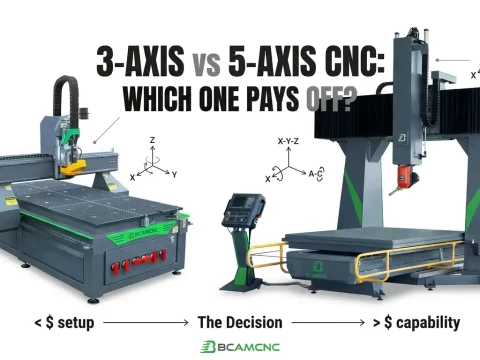
Best for flat cutting, drilling, and basic engraving. Commonly used in panel processing and signage production.
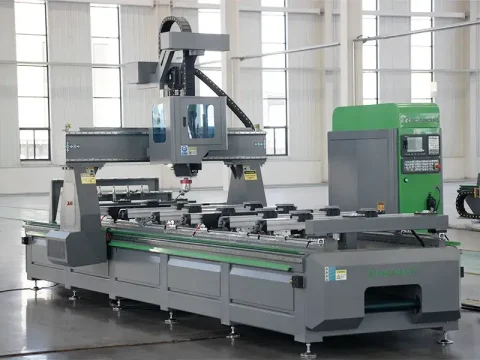
Equipped with an automatic tool changer, ideal for complex jobs that require multiple tools. This significantly improves efficiency in industrial environments.
Allows rotary machining, suitable for cylindrical parts and curved surfaces.
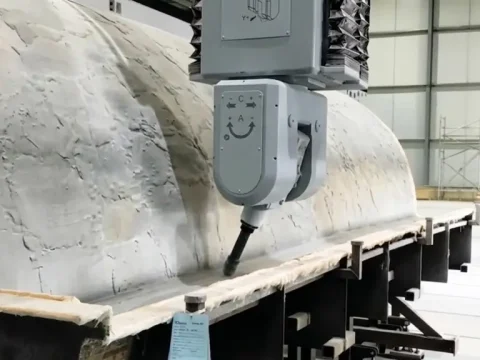
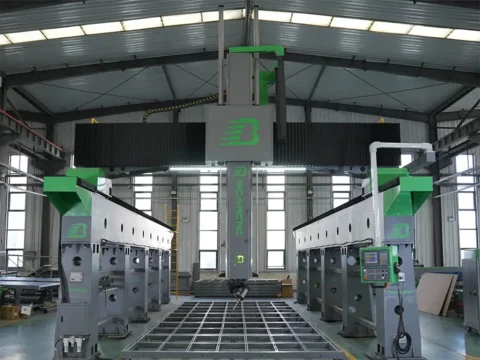
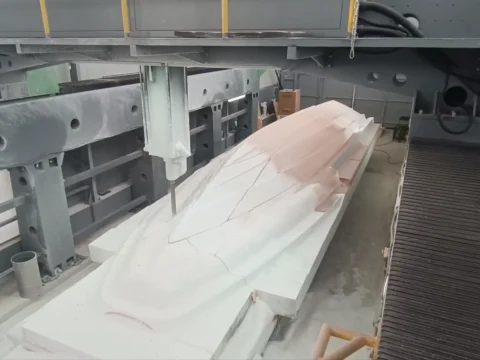
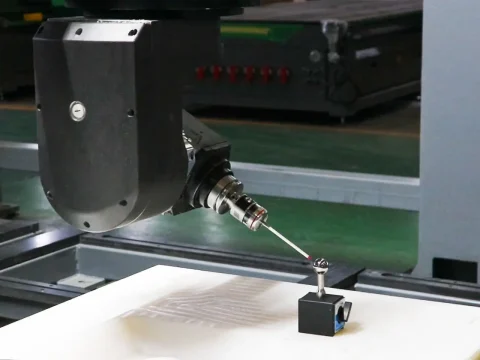
Designed for complex 3D shapes and multi-angle machining. Widely used in mold making, aerospace, and high-end composite processing.
What to Consider Before Buying a CNC Router
Machine Structure
A rigid steel frame reduces vibration and improves cutting accuracy, especially at high speeds.
Spindle and Drive System
Industrial spindles offer stronger cutting power and longer service life. Servo motors provide better precision than stepper motors.
Working Area
Choose a machine size based on your material dimensions and production needs. Oversizing may increase cost without real benefit.
Control System
A stable and user-friendly CNC controller helps reduce operator errors and training time.
After-Sales Support
Reliable technical support and spare parts availability are critical for long-term operation.
BCAMCNC provides remote technical support, clear documentation, and stable machine configurations for international customers.
Common Applications of CNC Routers
- Furniture and cabinetry production
- MDF and plywood cutting
- Aluminum and composite machining
- Mold and pattern making
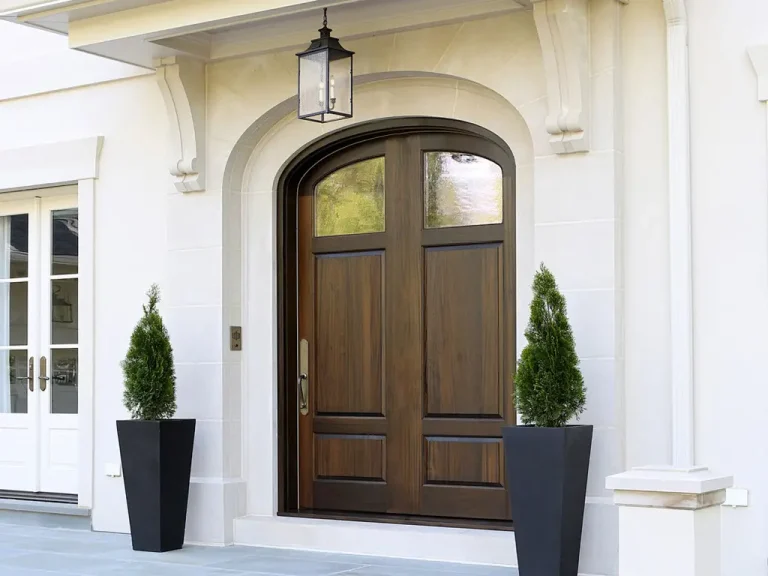
- Signage and decorative panels
Industrial CNC routers are especially valuable where precision and repeatability are required.
CNC Router vs CNC Milling Machine
Many buyers confuse CNC routers with CNC milling machines. In simple terms:
- CNC routers are optimized for sheet materials and higher speeds
- CNC milling machines are designed for heavy metal cutting
Choosing the wrong type can lead to poor results and unnecessary cost.
Final Thoughts
A CNC router is not just a machine—it is a long-term production investment. Choosing the right configuration, supplier, and support system can directly affect your manufacturing efficiency and product quality.
If you are looking for an industrial CNC router designed for professional use, BCAMCNC offers a full range of solutions, from ATC models to advanced 5-axis CNC routers, tailored for global manufacturing needs.