
Introduction
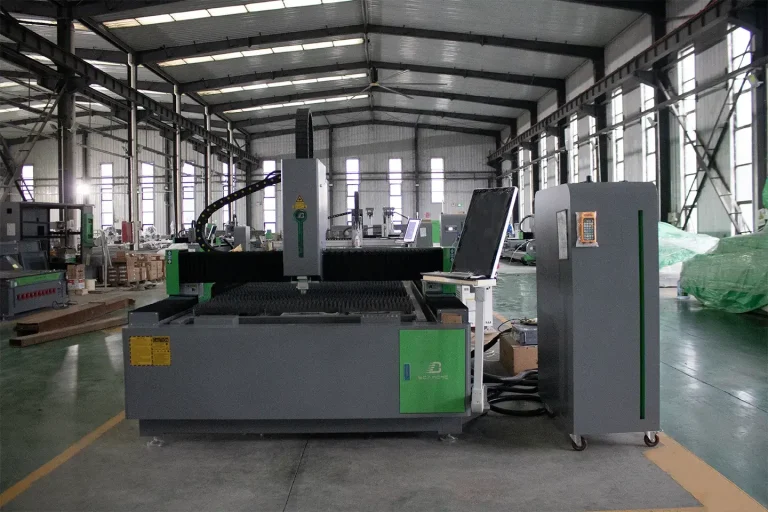
Fiber laser cutting has become one of the most efficient and precise technologies for processing sheet metal. Whether working with stainless steel, carbon steel, aluminum, copper, or other alloys, fiber laser cutters deliver clean edges and stable performance.
At BCAMCNC, we often remind customers that one unavoidable byproduct of this process is fiber laser dust — the fine particles released when materials are melted or vaporized during cutting.
Although often overlooked, fiber laser dust can significantly affect workplace safety, air quality, and equipment lifespan.
What Is Fiber Laser Dust?
Fiber laser dust consists of microscopic particles formed when a laser cutting machine melts or vaporizes metal. These particles may appear as:
Smoke
Metallic dust
Oxides
Residue from coatings or surface treatments
Because the particle size can be extremely small—sometimes sub-micron—they stay airborne for long periods and spread throughout the workspace.
Materials That Generate Laser Dust
Fiber laser dust can come from many commonly processed materials:
Stainless steel
Carbon steel
Aluminum
Copper and brass
Galvanized sheet
Painted or coated metal
Certain plastics or organics
The more frequently the laser cuts, the more dust is created, especially in workshops running long production hours.
Why Fiber Laser Dust Matters?
1. Equipment Damage
Dust can settle on sensitive components, including:
Guide rails
Cutting heads
Protective lenses
Electronics
Ventilation systems
If not cleaned regularly, dust may reduce machine accuracy, cause overheating, or lead to premature wear.
2. Air Quality Issues
Laser cutting generates ultrafine particles that can remain airborne for long periods.
Some materials—such as stainless steel or coated metals—can release hazardous fumes that require proper ventilation and filtration to meet workplace safety standards.
3. Personal Safety Hazards
Accumulated laser dust may create:
Slip risks on floors
Contamination risks from skin contact
Combustible dust hazards, especially when cutting reactive materials
A clean cutting environment is essential for maintaining operator safety.
Conclusion
Fiber laser dust is a natural byproduct of the metal cutting process, but understanding its sources and risks helps ensure a safer, cleaner, and more reliable workshop. Proper dust control protects operators, improves working conditions, and supports long-term equipment performance.