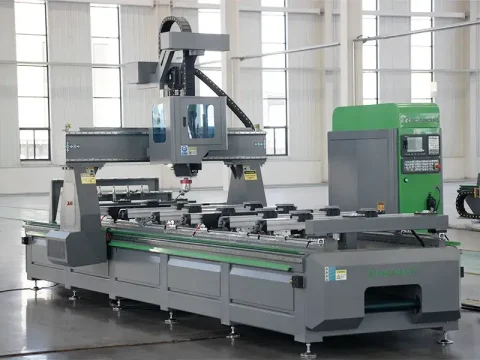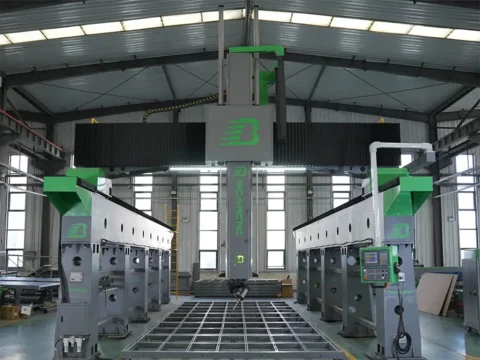

In panel furniture manufacturing, edge banding machines play a vital role. They are used to process the exposed edges of panels after cutting, improving appearance, protecting the board structure, and enhancing overall product quality and durability.
What Is an Edge Banding Machine?
An edge banding machine is designed to apply edge banding materials to the raw edges of panels. Through processes such as gluing, banding, trimming, and polishing, the machine creates smooth and clean edges while improving moisture resistance and structural strength.
Edge banding machines are widely used in the production of cabinets, wardrobes, office furniture, and customized furniture.
Main Functions of an Edge Banding Machine
A standard edge banding machine usually includes the following functions:
- Automatic gluing for strong and even adhesion
- Edge banding application for PVC, ABS, veneer, and other materials
- Front and rear end cutting to remove excess banding
- Top and bottom trimming for flush edges
- Scraping and polishing for a smooth and refined finish
These processes can be completed in a single workflow, significantly improving production efficiency.
Why Edge Banding Quality Matters
High-quality edge banding directly affects the final furniture product:
- Prevents moisture absorption and panel deformation
- Enhances appearance with clean and professional edges
- Increases structural strength and product lifespan
- Improves market competitiveness, especially for export furniture
For custom furniture and international markets, consistent edge banding quality is essential.
How to Choose the Right Edge Banding Machine
When selecting an edge banding machine, consider the following factors:
1.Production capacity
Small workshops may prefer semi-automatic machines, while large factories benefit from fully automatic high-speed models.
2.Panel specifications
Panel thickness and materials determine machine configuration.
3.Edge banding materials
PVC, ABS, acrylic, and wood veneer require different heating and pressing systems.
4.Level of automation
Higher automation reduces labor costs and improves production consistency.
Advantages of BCAMCNC Edge Banding Machines
BCAMCNC focuses on woodworking CNC machinery and designs edge banding machines with reliability and practicality in mind:
Stable structure for long-term continuous operation
User-friendly control system, easy to operate
High-quality core components for reliable performance
Custom solutions available based on customer requirements
Whether for small furniture workshops or large-scale custom furniture production lines, BCAMCNC provides dependable edge banding solutions.
Conclusion
As furniture manufacturers demand higher quality and efficiency, edge banding machines have become essential rather than optional equipment. Choosing a reliable and efficient edge banding machine not only improves product quality but also delivers long-term cost advantages.
If you are looking for a stable and professional edge banding solution, BCAMCNC is a trusted partner.