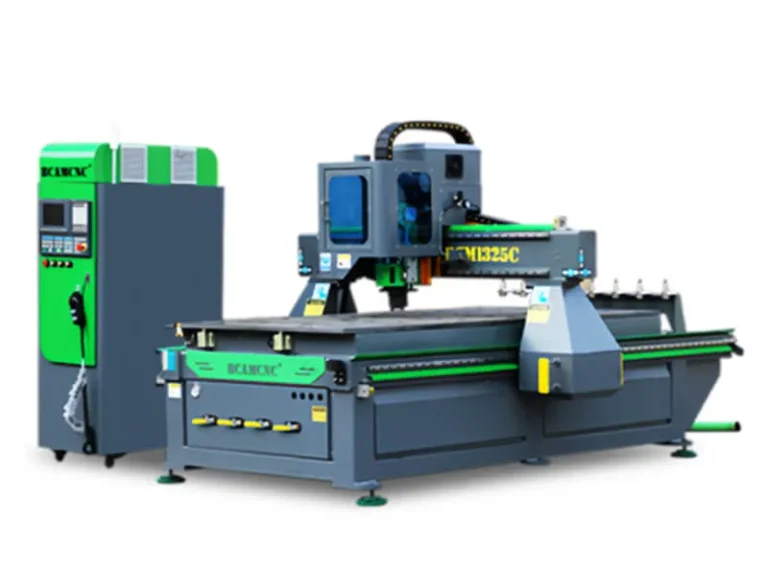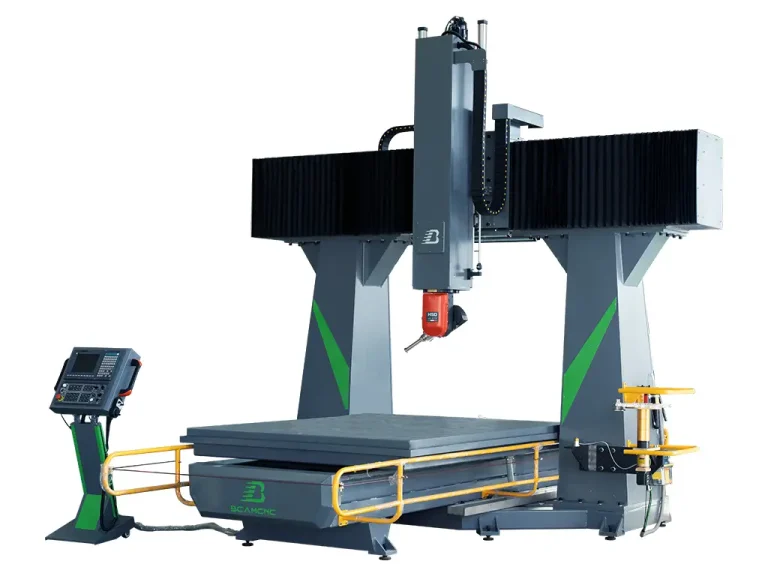

Can laser engraving replace mechanical tool engraving

  With the development and improvement of the industry, hand-made woodcarving has been far from satisfying the demand of modern industrial consumption, and the carving equipment has thus entered the industrial period. The emergence of laser engraving machines has made the accuracy of engraving more precise, and the cost and speed have greatly increased. However, can laser engraving replace mechanical tool engraving?

  hand-carved

  01 In terms of engraving precision, laser engraving is more accurate than tool engraving. Since the diameter of the laser engraving light source is very small, and the tool engraving itself has a certain knife width, the accuracy also implies the quality of the machine itself. The accuracy requirements of the tool.

  process sample

  02 Laser engraving is a non-contact processing object. For three-dimensional engraving, there is no need to fix the workpiece. The tool engraving is a contact engraving, so the workpiece is required to be fixed.

  Crafts

  03 Laser engraving is very good at engraving photos. It can indirectly engrave JPG-style photos, but tool engraving cannot do this.

  Because of these advantages of laser engraving, laser engraving is widely used, but this does not mean that laser engraving machines can replace mechanical cutter engraving machines~

samples (1).png

  disadvantages of laser engraving

  01 First of all, laser engraving is difficult to achieve deep engraving on metal materials, and it can only be engraved on the surface of the metal. The knife engraving machine can do certain deep engraving, even cutting.

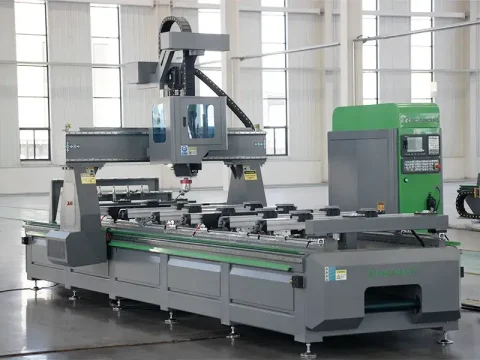
  engraving machine tool

  02 Secondly, in plastic engraving processing, laser engraving can generate toxic gases, and a specific air purification system is required to discharge the exhaust gas into the air, while the knife engraving machine does not purify the air.

  From this point of view, the laser engraving machine and the mechanical cutter engraving machine play different roles in their respective strengths, and they are both irreplaceable.
Share This Article With Others

Further Reading

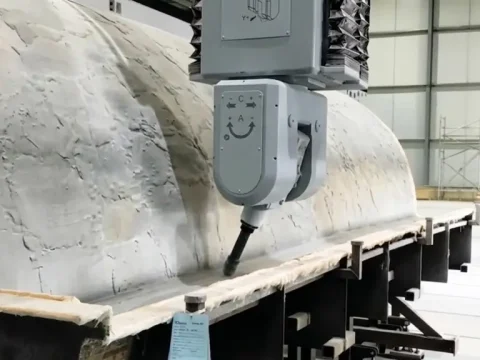
5-Axis Machining of Complex Curvatures in Wind Blade Molds

Applications of 5-Axis CNC Routers in Wind Turbine Blade Manufacturing

5-axis CNC routers are increasingly used in wind turbine blade manufacturing, particularly for edge trimming, root drilling, and mold production. Rather than replacing traditional processes, their value lies in improving accuracy, reducing manual intervention, and enabling consistent machining of complex composite geometries. This article outlines where 5-axis systems provide measurable benefits—and where careful process integration remains essential.
3axis VS 5axis

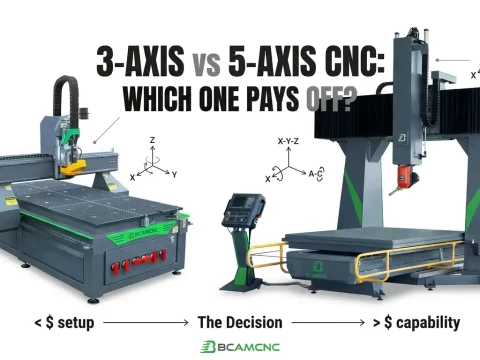
5-Axis vs. 3-Axis CNC Routers: When Does the Investment Actually Pay Off?

Most manufacturers don’t lose money because of the machine they buy—but because they choose the wrong one for their production reality. This guide breaks down the real differences between 3-axis and 5-axis CNC routers, not just in terms of movement, but in labor cost, setup time, tool performance, and error rates. If your workflow involves repeated setups, long tools, or complex geometries, the cost of staying with 3-axis may already exceed the investment in 5-axis.
5-axis-cnc-router-boat-mold-machining-greece

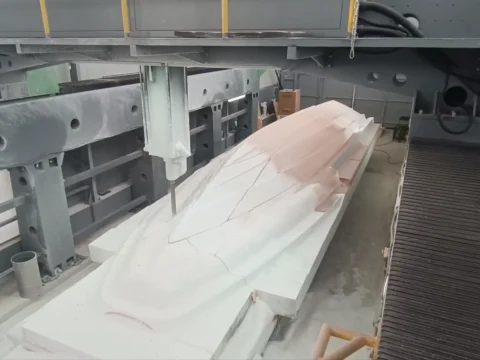
Large-Scale Marine Mold Machining with 5-Axis CNC Routers

Large-scale marine mold machining requires more than size—it demands accuracy, stability, and process control. A Greek shipyard reduced mold production from weeks to days by adopting a DL Series 5-axis CNC router from BCAM CNC, achieving consistent surface quality, reliable 24/7 operation, and reduced manual finishing.

Post Your Review

Leave a Reply