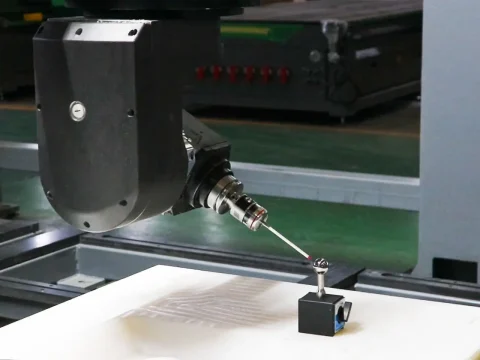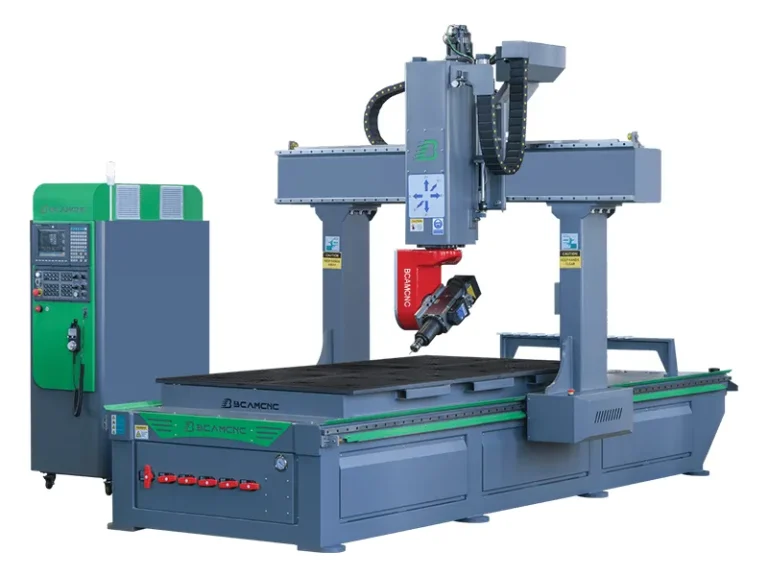

The correct selection of the spindle or milling cutter head of the CNC woodworking router is very important. As long as it is made of plywood or soft plastic, a "toy" brush shaft with a plastic shell will suffice. But for professional use (that is, making money), this is completely inappropriate. Through hard work, it can be completed in a few hours, and in economic work, it may take up to 6 months.
The professional spindle of the CNC woodworking router is the spindle of a brushless frequency induction inverter. There is a compact engine room and an absolute metal shell on the ceramic bearing. We can choose the number of spindle revolutions and power.
The spindle speed of the CNC woodworking router is the nominal value of the identification plate (12.000, 15.000, 18.000, 24.000, 40.000 rpm), which does not mean that the spindle is always rotating. The number of revolutions can be controlled by the inverter, but you must remember that the spindle power is the torque multiplied by the speed. Therefore, while maintaining the torque, reduce the number of revolutions by half—about half of the power will also drop. Here we must make a compromise…
There is no universal spindle. The greater the power of the spindle, the larger the diameter of the bearing, which is the reason for the limitation of the spindle speed. The larger the diameter of the bearing, the greater the centrifugal force the ball exerts on the running track of the outer ring of the bearing, thereby releasing more heat (one of the ways to reduce this effect is to use lighter ceramic balls). Therefore, spindle waves of 40,000 rpm are usually only produced in the low power range.

High speed is suitable for aluminum, wood, composite materials, composite materials, laminates and other materials. When processing steel, especially stainless steel, thermoplastics, or when using HSS drills to drill holes, high speeds should not be used.
As for power, the main criterion is that the maximum diameter of the milling cutter will be used and the material to process these cutters. When the CNC woodworking router processes aluminum, plastic, wood or 5mm with a milling cutter, the spindle (0.8kW 240rpm) is sufficient, so the spindle can process 8mm-1kW spindle, the tool can process 12mm-3.3kW spindle, and the tool can process 16mm -5.6kW spindle. For steel, we should choose a lower rpm spindle (15000-18000 rpm) and cut to 10mm-3.3kW spindle, 12mm-5.6kW spindle, 16mm-7kW spindle, and 20mm-10kW accordingly. Spindle.
If you plan to drill in steel, you have to choose a more powerful spindle, because, for example, if you want to drill a 6mm drill in steel at 2000rpm, with a 5.6kW 18000 rpm spindle, we only have 0.6kW in our Disposal. You cannot compare the power of the spindle with the power of a traditional milling machine, because they have gears and do not need such a torque reserve.
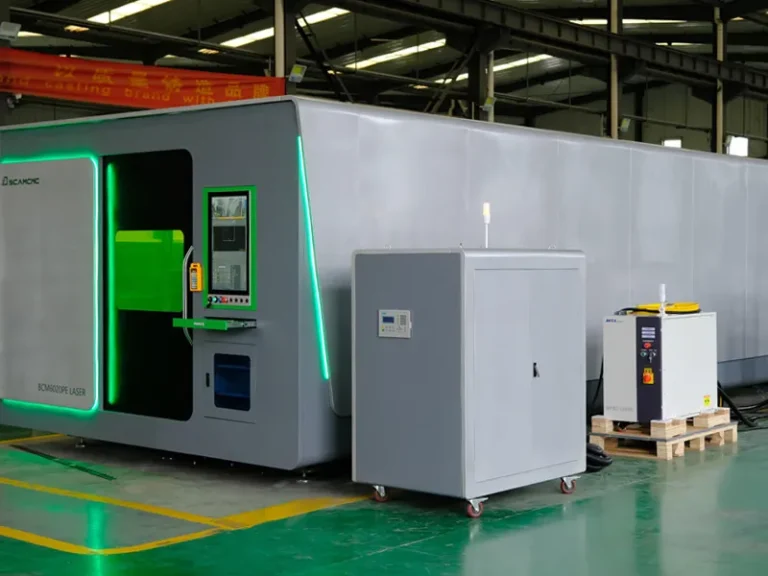
BCAM is a manufacturer specializing in the production and sales of routers. It has a variety of models of routers, which can process different sizes and operate stably. If you have any needs in this regard, you can directly consult our online customer service, and we will be happy to serve you.