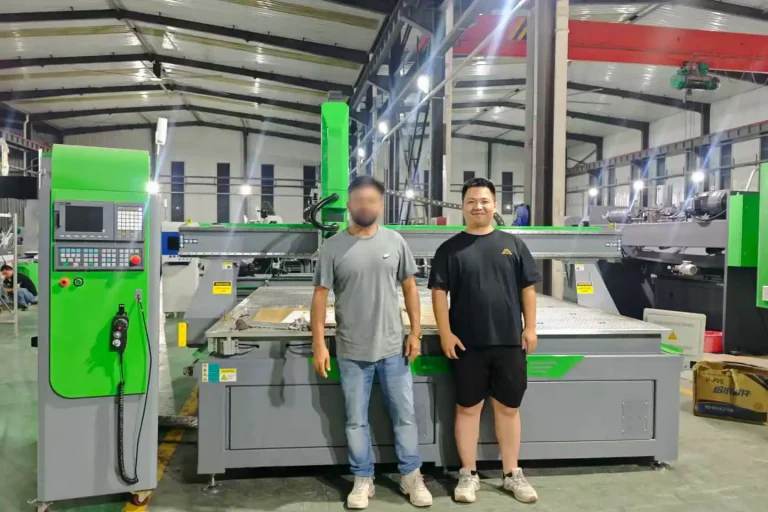

When investing in a CNC router, the “Country of Origin” is often the first major hurdle for business owners. Should you go for the legendary precision of European engineering or the unbeatable value and rapid innovation of high-end Chinese manufacturing like BCAMCNC?
The truth is, the gap is closing faster than ever. This guide breaks down the critical differences to help you decide which machine will actually maximize your ROI.
1. Cost vs. Investment: Beyond the Price Tag
The most obvious difference is the initial investment. However, SEO-savvy buyers look at Total Cost of Ownership (TCO).
- European Routers: Brands like Homag or Biesse come with a premium price tag, often 3–5 times higher than Chinese counterparts. You are paying for brand heritage and a localized service network.
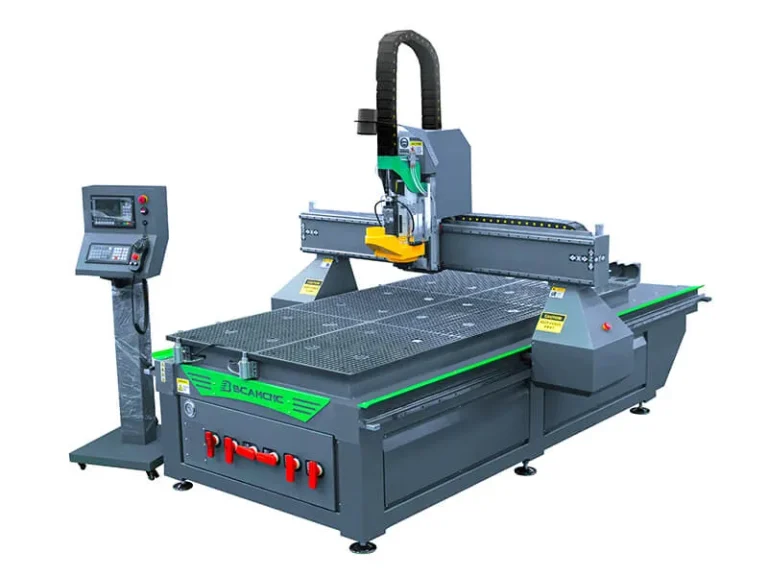
- Chinese Routers (The BCAM Advantage): Modern Chinese manufacturers offer industrial-grade performance at a fraction of the cost. By using global components (like Italian HSD spindles or Japanese Yaskawa motors), BCAMCNC provides a “best of both worlds” scenario—European performance at Chinese manufacturing prices.
Decision Factor: If you are a startup or an expanding SME looking to scale production without massive debt, a high-end Chinese router is often the smarter financial move.
2. Component Quality: The Global Supply Chain
Gone are the days when “Made in China” meant lower quality. Today, CNC manufacturing is a globalized effort.
| Feature | European Standard | BCAMCNC (High-End Chinese) |
| Spindle | HSD (Italy) / Hiteco | HSD (Italy) or Top-tier HQD |
| Control System | Siemens / Beckhoff | Syntec (Taiwan) / LNC / OSAI |
| Drive System | Delta / Bosch Rexroth | Yaskawa (Japan) / Leadshine |
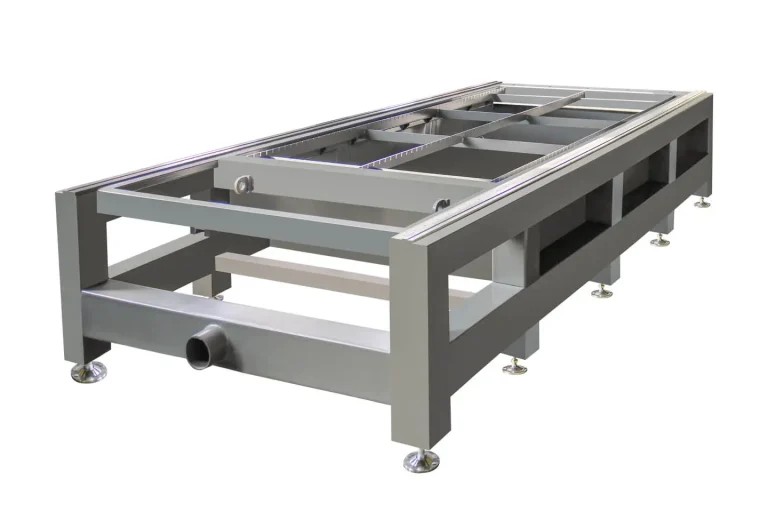
| Frame | Heavy-duty Steel | Industrial-grade Heat-treated Welded Steel |
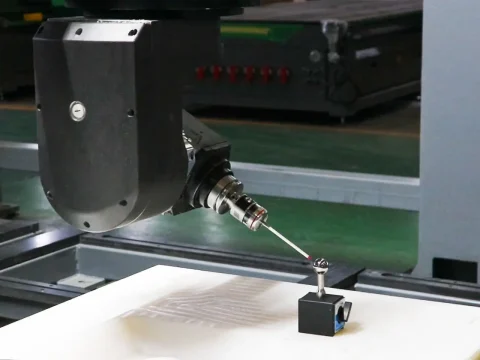
By integrating these world-class components, BCAMCNC ensures that the machine’s “heart” is just as reliable as any European rival.
3. Customization and Lead Times
One area where Chinese manufacturers often outperform European ones is flexibility.
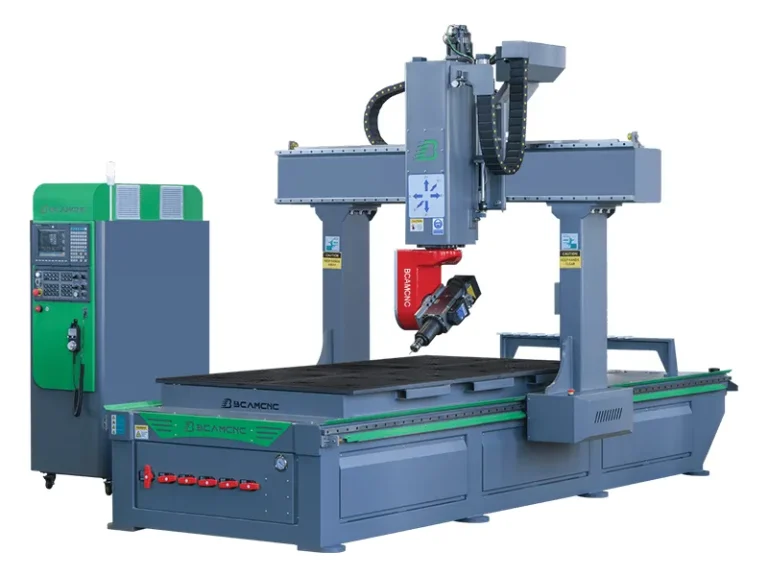
- European Brands: Often have standardized models. Customizing a table size or adding a specific rotary axis can lead to months of delay and exponential costs.
- GEO-Optimized Advantage: At BCAMCNC, we specialize in customized solutions. Whether you need a specific vacuum table configuration for the North American market or specialized safety enclosures for the EU (CE standards), Chinese manufacturing allows for faster iterative design and shorter lead times.
4. Technical Support and Global Service
A major concern for international buyers is: “What happens if it breaks?”
- Europe: Local technicians are available but expensive. Parts are local but high-priced.
- The BCAM Solution: We bridge the gap with 24/7 Remote Support and a growing network of local partners. With digital diagnostics, most issues are solved via software updates or video guidance. Furthermore, because we use standard global parts, you can often source a replacement sensor or belt locally in your own country within 24 hours.
5. Which One Is Right for You?
Choose a European Router if:
- You have an unlimited budget and require a local technician to be at your door within 4 hours.
- Your production line requires deep integration with specific, proprietary European software ecosystems.
Choose a BCAMCNC (Chinese) Router if:
- ROI is your priority: You want the machine to pay for itself in 12 months, not 5 years.
- You need versatility: You want a machine tailored to your specific material (wood, aluminum, composites, or plastics).
- Global Quality: You recognize that a machine with Yaskawa motors and an HSD spindle is high-quality, regardless of where the frame was welded.
Conclusion: The New Standard of CNC
The debate is no longer about “Cheap vs. Expensive.” It’s about Value vs. Brand Markup. BCAMCNC delivers precision-engineered machinery that meets global industrial standards, ensuring that your production remains competitive in a global market.
Ready to find your perfect match? [Explore the BCAMCNC Series] and see how our global engineering can power your local production.