
Introduction
As manufacturing demand grows, many woodworking and fabrication workshops eventually reach a stage where manual equipment can no longer meet production requirements.
At that point, investing in a CNC router machine becomes more than just a technical upgrade. It becomes an important step toward improving productivity, machining accuracy, and long-term business growth.
But how do you know when the right time has come?
Below are five clear signs that your workshop may be ready to upgrade to a professional CNC router machine.
Sign 1: Your Production Speed Is No Longer Enough
One of the first signs is when orders increase but production speed cannot keep up with demand.
Manual cutting or basic machinery often creates bottlenecks in the production workflow. A modern CNC router machine solves this problem through automated machining and high-speed spindle operation.
With CNC technology, many tasks that previously required hours of manual labor can be completed in a fraction of the time.
For furniture manufacturers and cabinet workshops, this improvement can significantly increase daily output and production efficiency.
Sign 2: Your Projects Are Becoming More Complex
Many workshops begin with simple cutting jobs. As business grows, customer demands often become more complex.
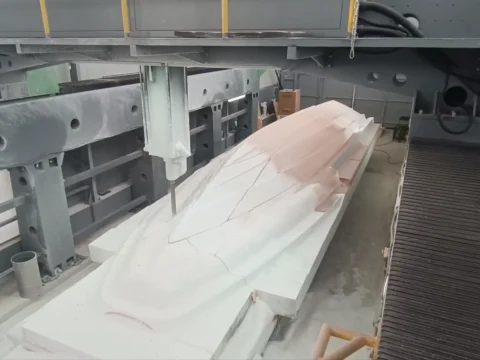
Common examples include decorative carving, custom furniture parts, engraved signage, and intricate design components.
A professional CNC router machine allows workshops to process a wide variety of materials, including wood, MDF, plywood, acrylic, PVC, foam, and aluminum composite panels.
This flexibility enables businesses to handle multiple types of projects in the same production cycle and expand their service offerings.
Sign 3: Rising Labor Costs Are Affecting Your Business
Labor costs continue to increase in many manufacturing industries, and skilled operators can be difficult to find.
A CNC router can significantly reduce labor dependency by automating many cutting and machining processes.
In many workshops, a single operator can manage multiple CNC machines at the same time. This reduces labor costs while maintaining consistent product quality.
For many businesses, the investment in CNC automation can be recovered within a relatively short period through increased productivity and lower operational costs.
Sign 4: Your Workshop Needs Higher Precision and Consistency
Manual processing often results in slight variations between parts. When producing cabinet panels, furniture components, or decorative elements, these differences can affect product quality.
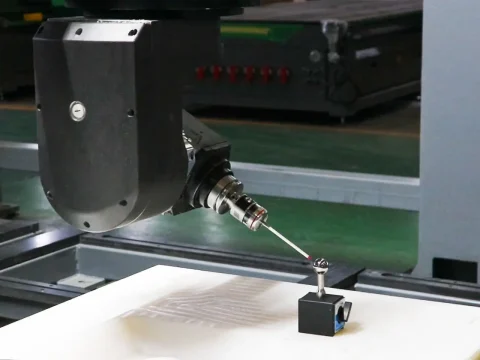
CNC router machines operate using computer-controlled tool paths, which ensures that every piece is produced with the same level of accuracy.
This precision is especially important for industries such as cabinet manufacturing, custom furniture production, sign making, and interior decoration.
Improved machining accuracy helps reduce material waste, minimize errors, and maintain consistent product quality.
Sign 5: You Want to Scale Your Manufacturing Business
Many workshops reach a stage where demand grows but production capacity cannot expand using manual equipment alone.
At this point, investing in CNC equipment becomes essential for scaling the business.
A CNC router allows companies to accept larger orders, shorten production cycles, and maintain stable product quality across large production volumes.
Many furniture manufacturers adopt 4×8 CNC routers or 5×10 CNC routers as the core equipment of their production lines.
When combined with edge banding machines and drilling machines, workshops can gradually build a fully automated cabinet production system.
Choosing the Right CNC Router
Before purchasing a CNC router machine, it is important to evaluate several factors.
Working area should match the size of the materials you process most frequently. Common machine sizes include 4×4, 4×8, and 5×10 CNC routers.
Spindle power determines cutting capability and machining speed. Higher power spindles are better suited for heavy production workloads.
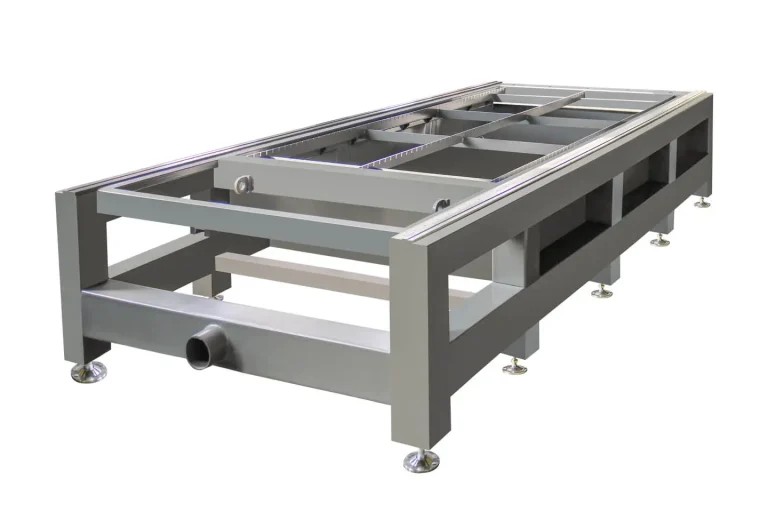
Automation features such as automatic tool changers, vacuum tables, servo motors, and dust collection systems can further improve production efficiency.
Reliable technical support and after-sales service are also important considerations when selecting a machine supplier.
Why Many Manufacturers Choose BCAMCNC
BCAMCNC specializes in manufacturing CNC machines designed for industrial production environments.
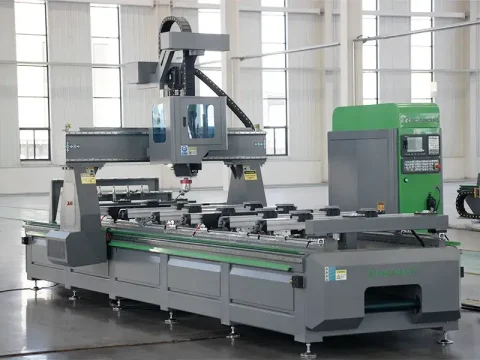
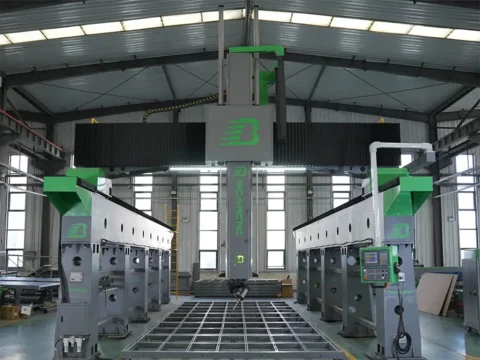
Our product range includes CNC router machines for woodworking, automatic tool changer CNC routers, fiber laser cutting machines, stone CNC machines, and complete furniture production line solutions.
BCAMCNC machines are widely used in furniture factories, cabinet manufacturing workshops, sign production businesses, and decorative panel processing facilities.
Our goal is to provide reliable CNC solutions that help manufacturers increase efficiency, reduce production costs, and expand their business capabilities.
FAQ
What is a CNC router machine used for?
A CNC router machine is a computer-controlled cutting system used to process materials such as wood, plastic, foam, acrylic, and aluminum. It is commonly used in woodworking, furniture manufacturing, sign making, and interior decoration industries.
How much does a CNC router machine cost?
The cost depends on machine size, spindle power, and automation features. Entry-level CNC routers may start around several thousand dollars, while industrial automatic tool changer machines can reach significantly higher prices.
Is a CNC router profitable for small workshops?
Yes. CNC routers can increase production speed, reduce labor costs, and improve machining accuracy. These advantages help workshops take more orders and improve overall profitability.
Conclusion
Investing in a CNC router machine is often a major turning point for workshops transitioning from manual production to automated manufacturing.
If your business is experiencing slow production speed, increasing order complexity, rising labor costs, inconsistent product quality, or limitations in production capacity, upgrading to CNC equipment may be the next logical step.
With the right CNC router system, workshops can improve efficiency, maintain high precision, and build a strong foundation for long-term growth.