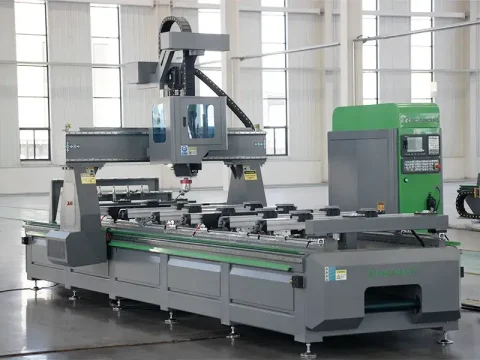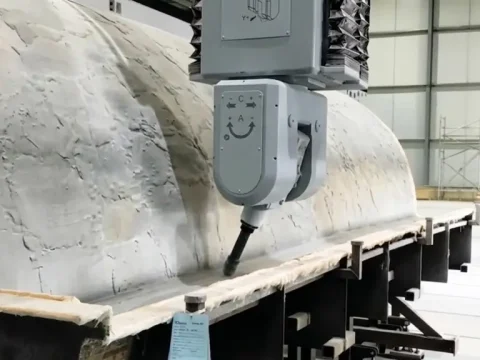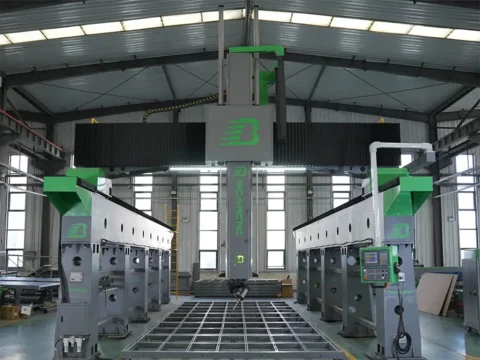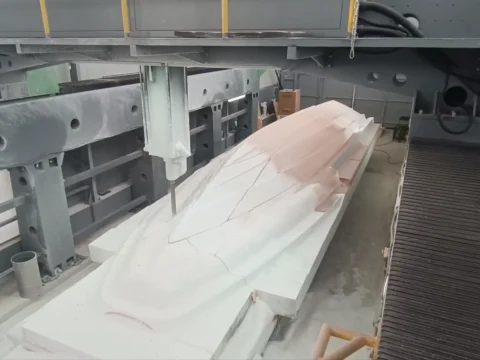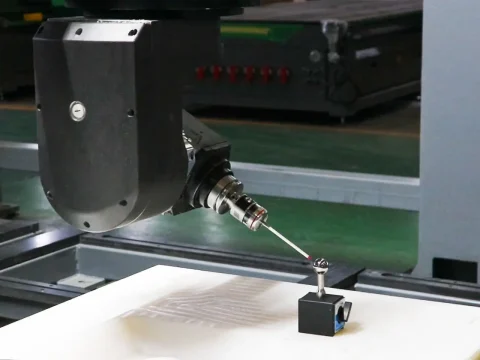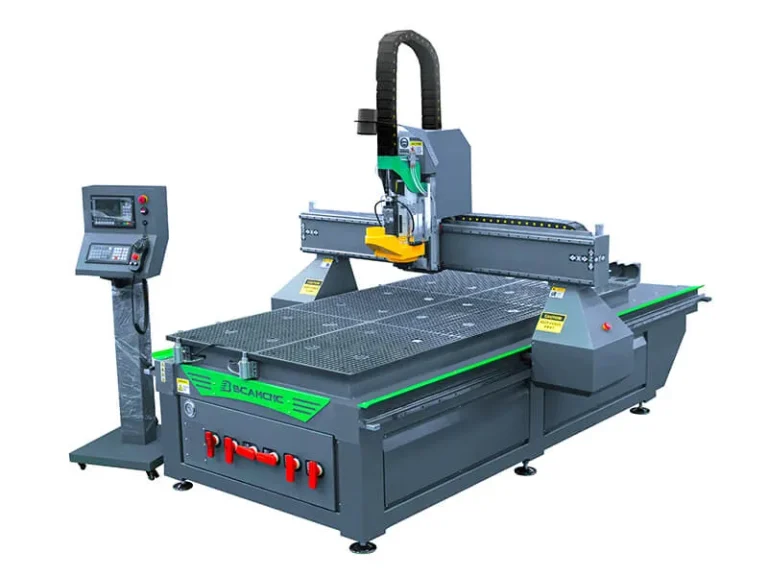

When we use the stone engraving machine, we cannot avoid this or that kind of problem. This is a normal thing for a device. But when we face this situation, we must solve it in time, so as to ensure the smooth operation of machinery and equipment, and also to work better and improve work efficiency.
1. The spindle motor of the stone engraving machine emits abnormal noise when it is running.
The generation of this kind of noise proves that the spindle bearing of the stone engraving machine has quality problems or the service life of the spindle bearing has expired, or the quality is reduced or damaged after wear. When this happens, we must consider replacing the relevant parts. Instead of ignoring it.

2. The stone engraving machine makes an abnormal sound when it moves axially.
The phenomenon of stone engraving machine mostly exists in the X axis. Most of the axial motor bearings are damaged or the X-axis guide rail lacks lubricating oil, too dirty, too tight, ball wear, ball falling, etc. At this time, we find out the cause and deal with it in time, so as to prevent component wear Serious and uncontrollable.
The usual practice is to add a rubber pad to the bottom of the stone engraving machine. This can also reduce the noise generated by the engraving machine.
We have roughly understood the cause of the noise generated by the stone engraving machine, found the problem, and then dealt with it in a timely manner, instead of leaving it alone and letting it develop. This will only aggravate the damage to the equipment. Our troubleshooting must be handled in a timely manner to avoid more serious failures. If you have any questions about selection, you can come to Jinan Mingshi Machinery for relevant consultation and understanding.