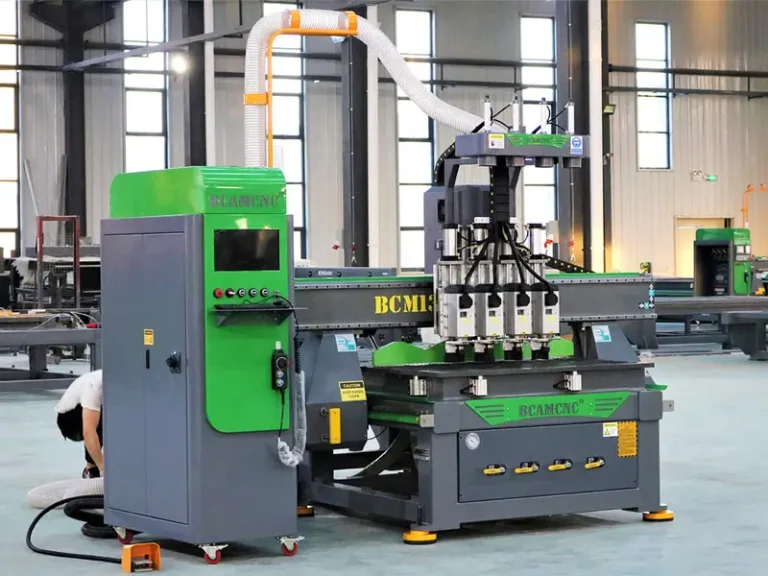

A 4-process CNC router has become one of the most popular choices for woodworking factories, cabinet makers, and furniture shops. But why do so many manufacturers prefer this machine? What makes it different from a single-process router? In this article, we break down the real advantages in simple, clear language.
What Is a 4-Process CNC Router?
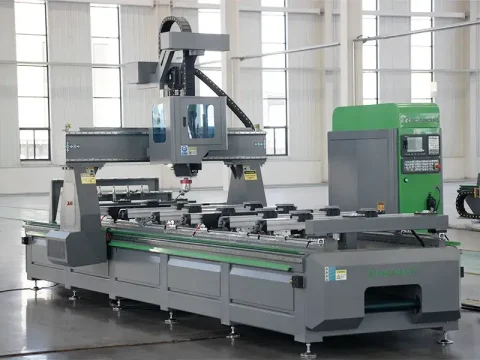
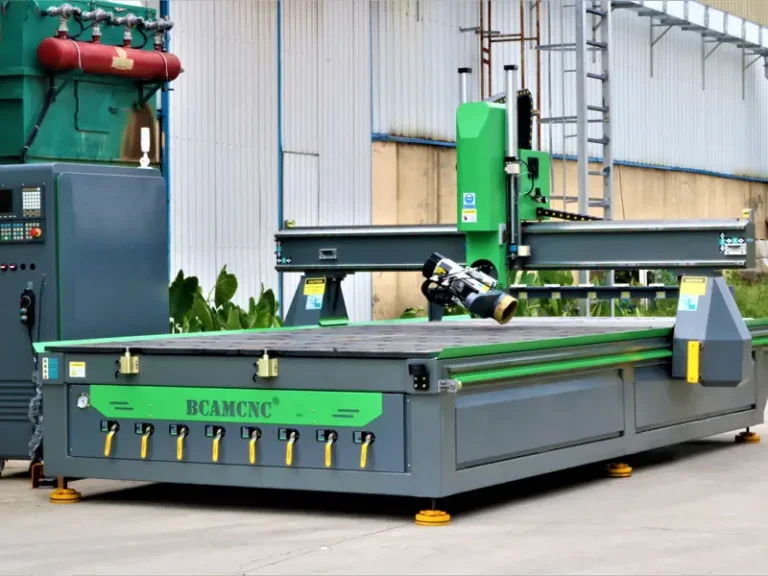
A 4-process CNC router is a machine equipped with four independent spindles. These spindles can switch automatically during work, allowing the machine to handle different tools without stopping production. It lets you cut, engrave, drill, and groove in one single setup.
This design removes manual tool changes and saves a lot of time, especially for workshops handling large batches.
Why Is the 4-Process Machine More Efficient?
The biggest reason is automatic tool switching.
With four spindles ready to work, the machine selects each tool according to the job. This improves workflow because:
- No more pausing for manual tool changes
- Less risk of mistakes
- Higher speed for batch production
- More stable machining quality
For factories with many repeated orders, this boosts efficiency and consistency.
What Features Make It More Reliable?
A professional 4-process CNC router usually includes:
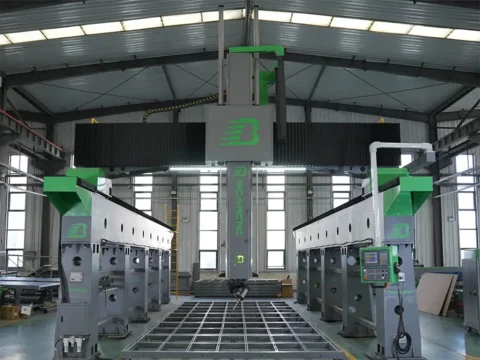
- Strong seamless steel structure for excellent stability and long life
- High-precision TBI ball screw for smooth, accurate movement
- Anti-dust protection design on XYZ axis to avoid wear
- High-speed spindle motor for clean cutting and low noise
- Advanced control system that is easy to learn
- Compatibility with major design software like ArtCAM, Type3, Wentai, CAD/CAM
These features ensure the machine stays accurate even during long-term, heavy work.
Can It Handle Different Materials?
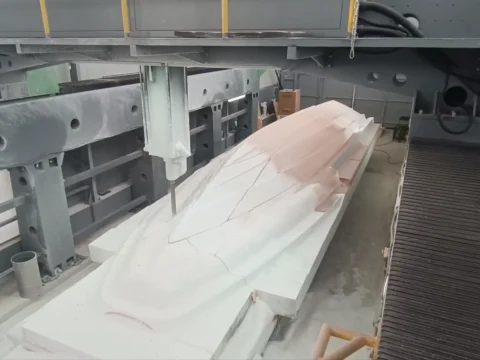
Yes. One of the strengths of a 4-process CNC router is its flexibility. It can work on:
- Solid wood
- MDF
- Plywood
- Acrylic
- Soft metals
- Plastic
This makes it suitable for a wide range of industries—from furniture to decoration and crafts.
Who Should Consider Using a 4-Process CNC Router?
This machine is ideal for:
- Cabinet makers
- Panel furniture factories
- Woodworking production lines
- Sign making shops
- Large-scale batch engraving
- Workshops needing fast multi-tool processing
If your daily workload includes different operations, a 4-process CNC router can help reduce time, labor, and production errors.
Is It Worth the Investment?
For most manufacturers, the answer is yes.
The machine delivers:
- Faster production
- Higher accuracy
- Less labor
- More consistent quality
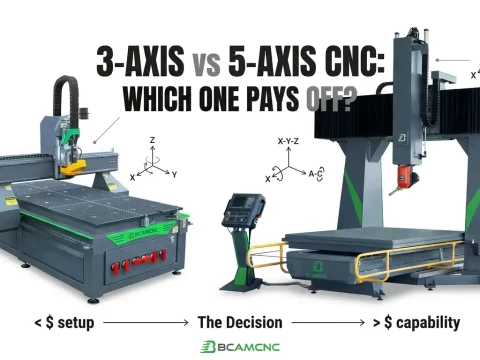
If your business wants to upgrade from a single-head or manual-tool-change CNC, this is a powerful step forward.