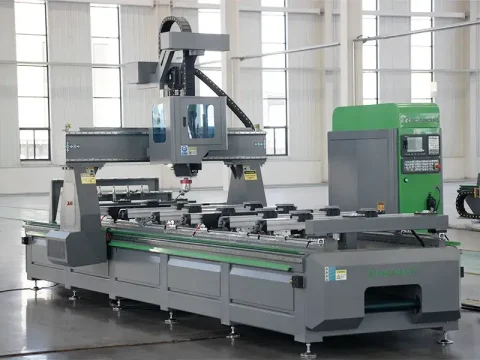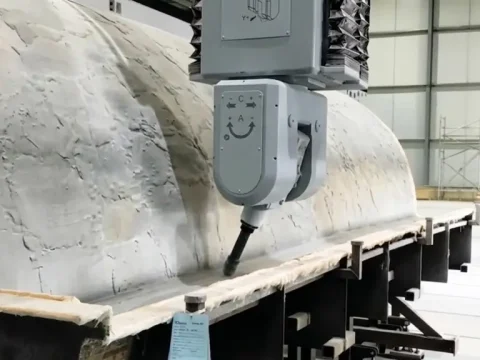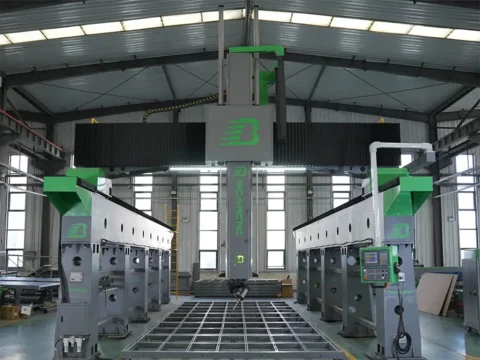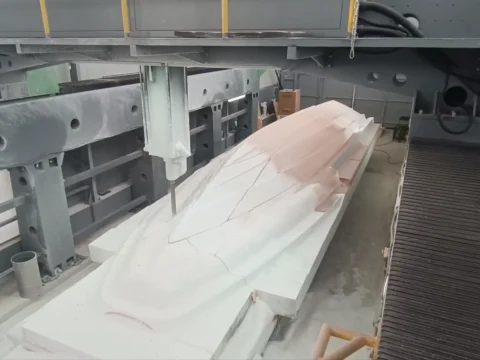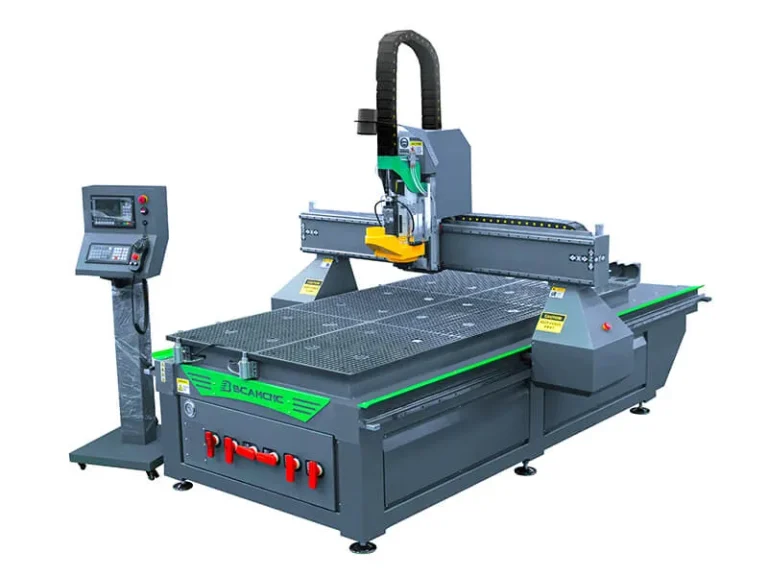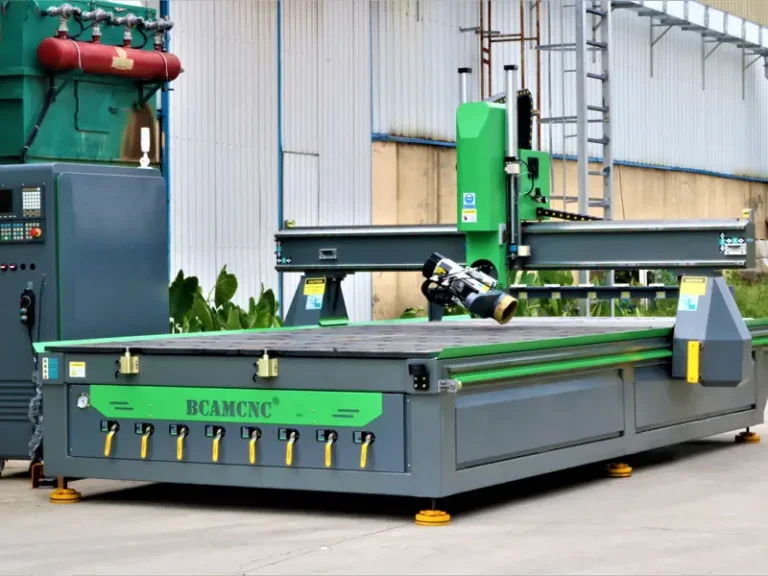

In the industrial manufacturing industry, people often see the use of woodworking cnc routers. With the development of production technology, the functions of the cnc router have gradually increased. When designing woodworking cnc routers, there are many control methods. There are three common ones.
One is that all the calculation methods are controlled by the computer, which can be kept in the computer working state. This kind of control method cannot perform typesetting work, which will cause the computer to misoperation.
The second is to use a single-chip microcomputer for control. The computer cannot be turned off during the typesetting process to reduce the waste caused by the misoperation of the computer.
The third is to use the USB port to transfer data, which has a large transmission memory capacity to ensure that the files are intact and can be completely separated from the computer, which greatly improves work efficiency.

Generally speaking, it can process a lot of materials, which are used for wood processing crystal, copper, aluminum, etc. In addition, it also has a high aesthetic value, there are many types, and many functions. And there are many differences in the market. The brand, the price is also different, the staff need to maintain it after using it, let's share its basic maintenance steps together.
First of all, disconnect the power supply, unscrew some screws on the device, and use needle-nose pliers to remove the carbon brush. Pay attention to remember the original installation position of the carbon brush. Next, use a brush to clean the dust on the carbon brush, and use air. Spray it lightly with the spray gun, this is to completely remove the dust.
Secondly, the staff should open the shell of the woodworking cnc router, and then rotate the motor with their fingers, mainly to check whether there is the sound of touching the machine or the sound of metal rubbing, and use the universal needle car oil to drop the oil into the gap, and let the oil Into the crevices.
The manufacturer of the BCAM cnc router reminds everyone that after completing the above steps, the equipment can be restored. After installing the screws, check whether the carbon brush is installed. After confirming that there is no abnormality, you can turn on the power. Prove that the equipment is working properly.