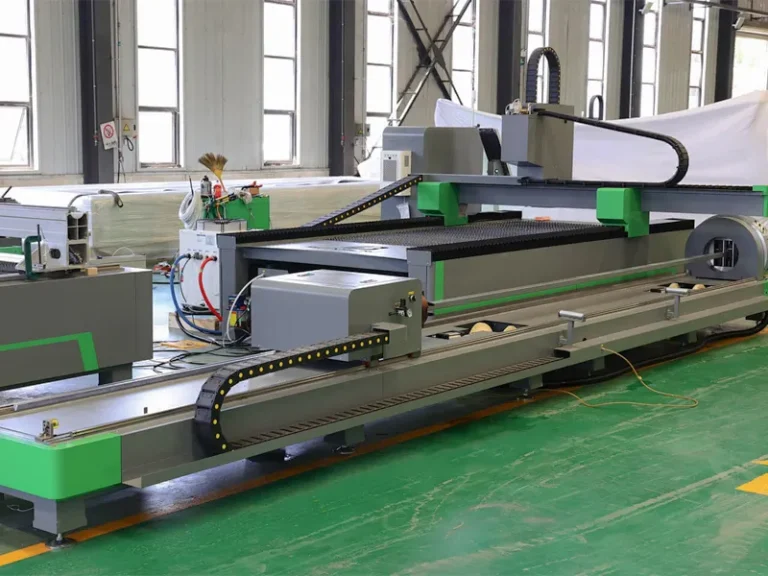

Many buyers still ask the same question: can a CNC router really cut aluminum? The short answer is yes — with the right machine configuration. Today, CNC routers are widely used for aluminum sheets, aluminum parts, and even aluminum molds.
At BCAMCNC, aluminum machining is mainly handled by the C Series, D Series, and advanced 5-axis D / DL Series machines. Each series targets different aluminum applications.
Can a CNC Router Cut Aluminum?
Aluminum is softer than steel but harder than wood. Cutting aluminum requires:
- A rigid machine structure
- High-speed spindle with stable torque
- Proper cooling or lubrication
- Accurate motion control
Standard light-duty routers are not suitable. Industrial CNC routers, designed for metal cutting, can process aluminum efficiently and safely.
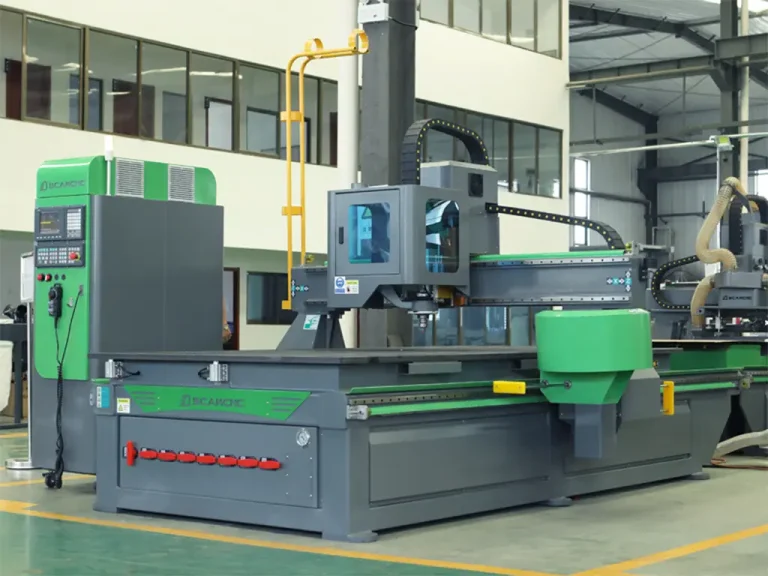
C Series CNC Router for Aluminum Sheets
The C Series CNC router is mainly used for thin aluminum sheet cutting and engraving.
Typical applications include:
- Aluminum panels
- Sign making
- Aluminum composite boards
- Light aluminum parts
Key features:
- Rigid welded steel frame
- High-speed spindle for non-ferrous metals
- Cost-effective solution for aluminum sheet work
The C Series is ideal if your focus is flat aluminum cutting with controlled depth.
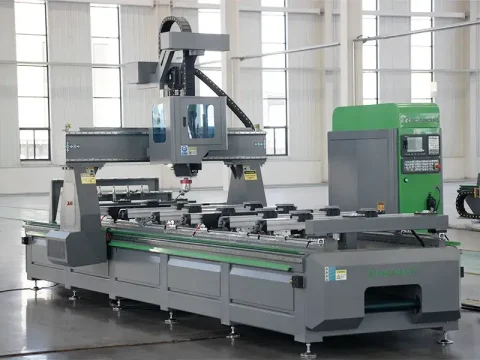
D Series CNC Router for Aluminum Parts
The D Series CNC router is designed for heavier aluminum cutting and higher precision.
Suitable applications:
- Thick aluminum plates
- Aluminum components
- Mechanical aluminum parts
Advantages of the D Series:
- Stronger machine bed and gantry
- Servo motors for stable movement
- Better surface finish on aluminum
This series is recommended for customers who process aluminum daily and require long-term stability.
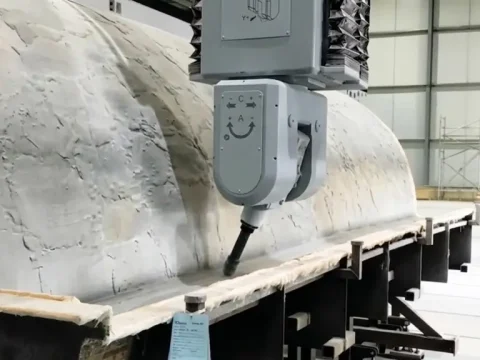
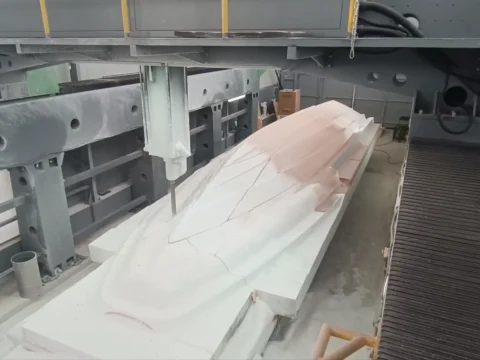
5-Axis D Series for Aluminum Mold Machining
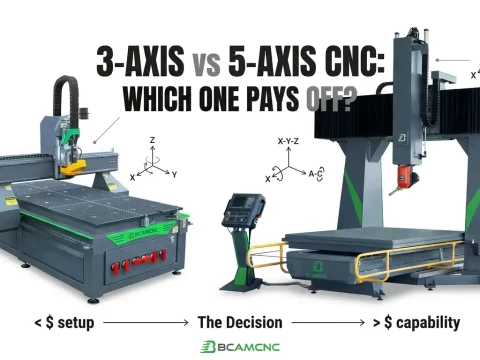
For complex aluminum molds, a standard 3-axis machine is often not enough.
The 5-axis D Series CNC router is built for:
- Aluminum mold machining
- Curved surfaces
- Multi-angle cutting in one setup
Key benefits:
- Reduced re-clamping
- Higher accuracy
- Shorter machining time
This solution is widely used in mold making, automotive parts, and industrial prototypes.
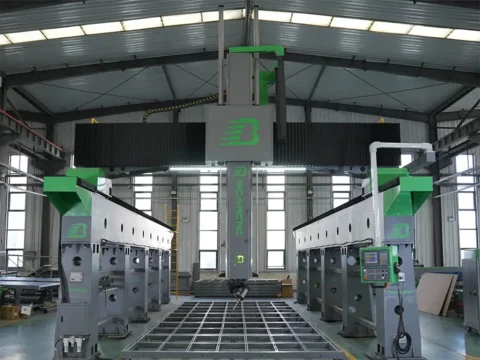
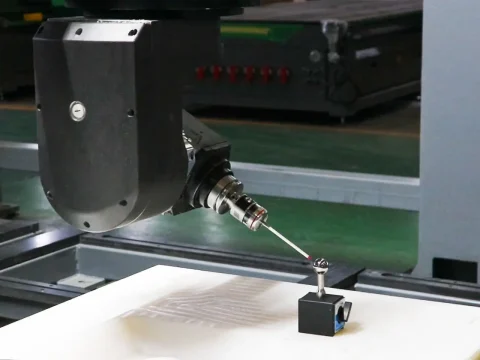
DL Series: Advanced 5-Axis CNC Router for Aluminum Molds
The DL Series represents BCAMCNC’s high-end 5-axis solution for aluminum molds.
Designed for:
- High-precision aluminum molds
- Complex 3D aluminum structures
- Continuous multi-axis machining
Main features:
- Heavy-duty structure for vibration control
- High-performance 5-axis head
- Excellent surface quality on aluminum
The DL Series is suitable for customers who demand maximum precision and reliability.
CNC Router vs CNC Milling Machine for Aluminum
Some buyers compare CNC routers with CNC milling machines.
In practice:
- CNC routers offer larger working sizes
- CNC routers provide higher spindle speed for aluminum
- CNC routers are more cost-effective for large aluminum parts
For aluminum sheets, panels, and molds, an industrial CNC router is often the better choice.
Choosing the Right CNC Router for Aluminum
To select the right machine, consider:
- Aluminum thickness
- Part complexity
- Production volume
- Precision requirements
BCAMCNC offers customized solutions based on your application.
Conclusion
So, is a CNC router for aluminum really possible?
Yes — with the correct machine series.
C Series: aluminum sheets and light cutting
D Series: thick aluminum parts
5-Axis D Series & DL Series: aluminum mold machining
If you are planning to cut or machine aluminum, BCAMCNC can provide a reliable CNC router solution tailored to your needs.
Contact BCAMCNC to get professional advice and a clear quotation.