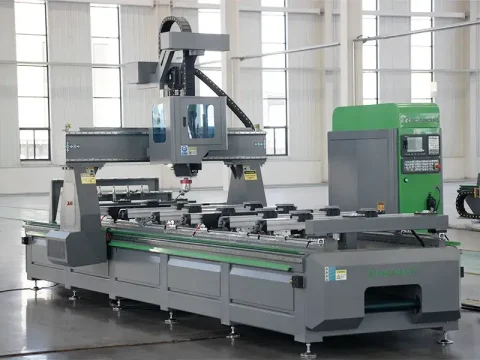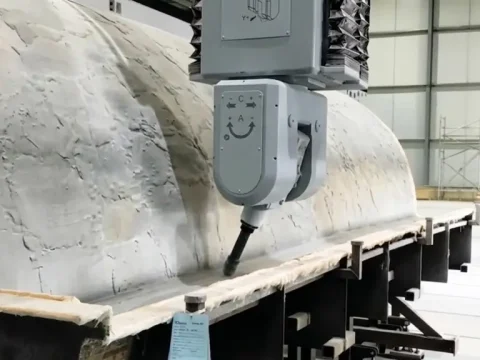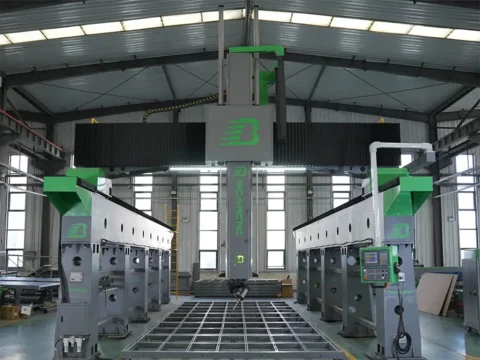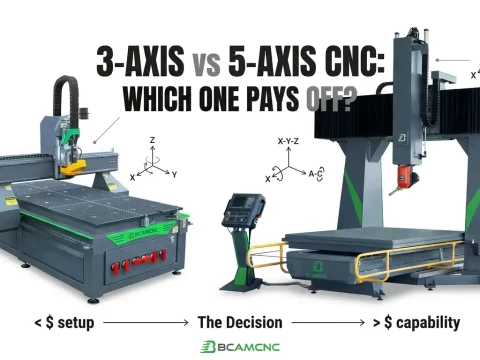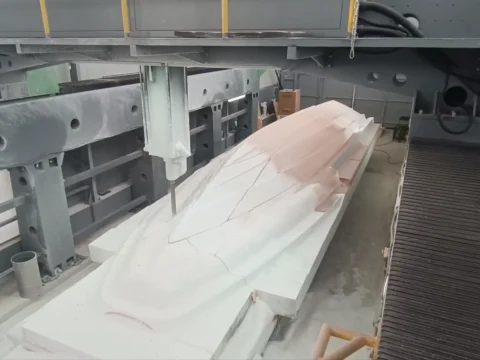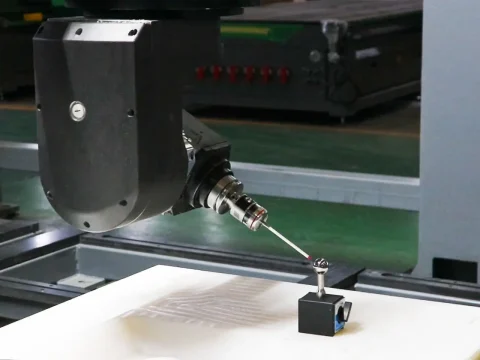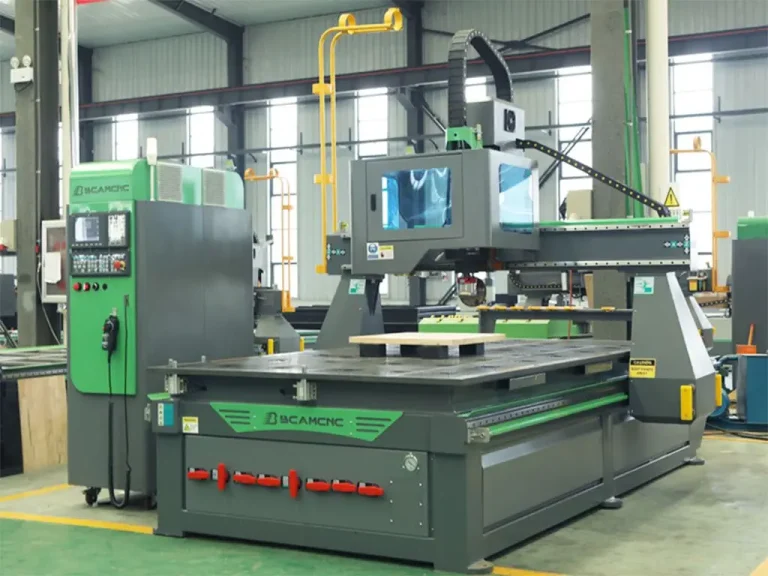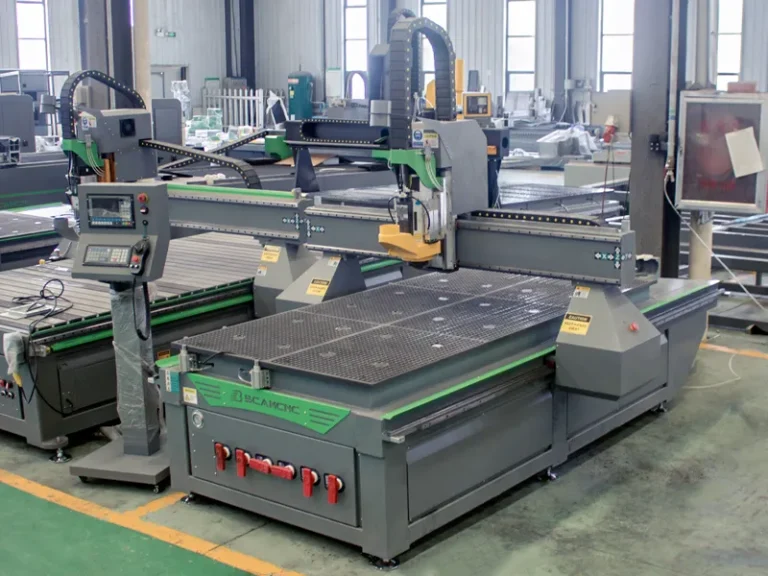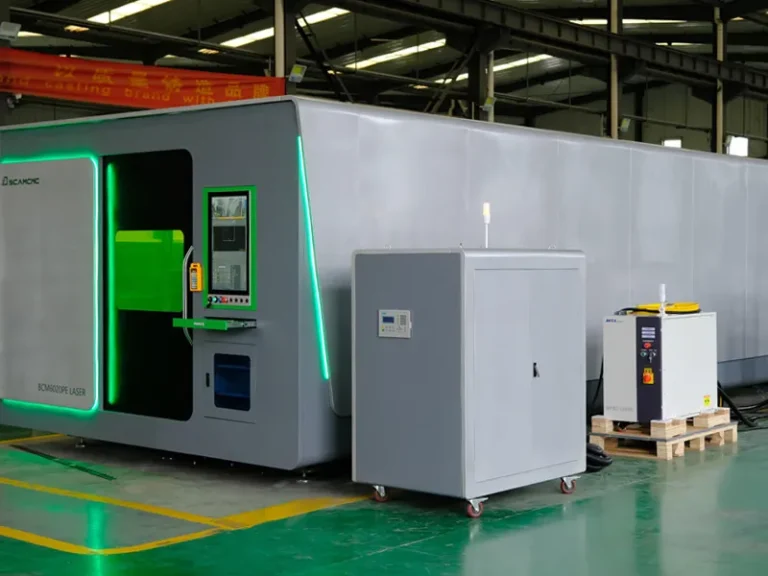

The laser engraving machine has high processing efficiency, smooth processing edges, and a wide range of applications. Laser engraving machines are used in various industries, such as advertising industry, woodworking industry, decoration industry, decoration industry, construction industry, sheet metal industry, etc. Today we focus on the classification and principle of laser engraving machine.
The classification and principle of laser engraving machine:
1. The principle of the laser engraving machine: the laser engraving machine generates laser light through a laser, which is transmitted by the emitter mirror and irradiated on the processing material through the focusing mirror, so that the changed point is quickly melted and vaporized at a high temperature, and the cutting effect is achieved by moving the laser head.
2. Classification of laser engraving machine: metal laser engraving machine and non-metal laser engraving machine.
(1) Classification of metal laser engraving machine: metal fiber laser marking machine and metal fiber laser engraving machine.
(2) Classification of non-metal laser engraving machine: CO2 glass tube laser engraving machine and metal radio frequency tube laser engraving machine.
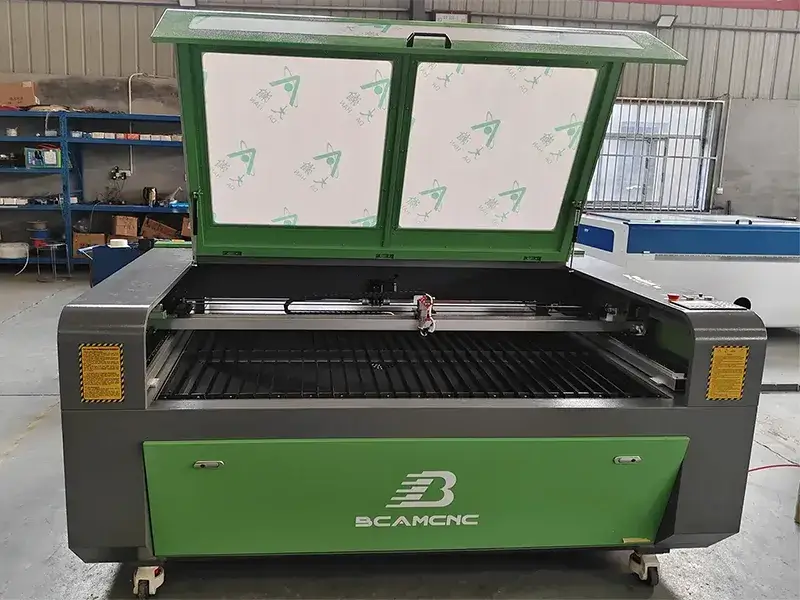
Precautions for using laser engraving machine:
1. During the laser engraving machine processing, there will be high temperatures, so it is necessary to prevent fires. As a staff member, you can’t leave the job in the first place;
2, can only process materials within the specified range;
3. Do not place other irrelevant objects on the countertop, and the countertop needs to be cleaned in time.
Compared with the traditional manual engraving method, laser engraving can also achieve a very delicate engraving effect, which is no less than the level of hand-engraving craftsmanship. It is precisely because the laser engraving machine has so many advantages, so now the application of laser engraving machine has gradually replaced the traditional engraving equipment and methods. Become the main engraving equipment.