
Aerospace manufacturing ncreasingly relies on advanced composite materials such as carbon fiber and fiberglass. These materials are lightweight, strong, and resistant to corrosion, making them ideal for aircraft structures. However, machining aerospace composites requires extremely high precision and stable cutting technology.
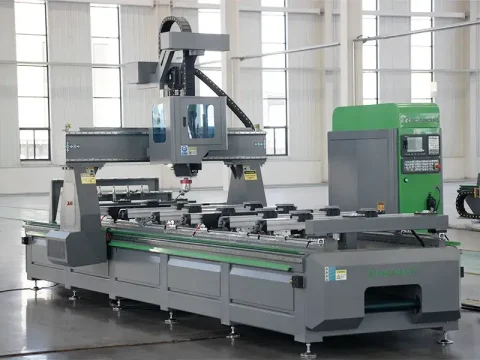
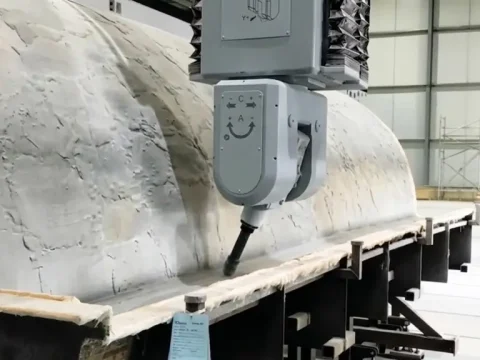
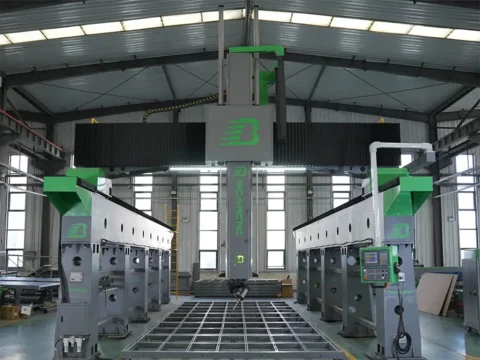
A 5 axis CNC router has become one of the most effective solutions for processing complex aerospace composite components. It allows manufacturers to cut, trim, and shape composite materials with high accuracy while maintaining excellent surface quality.
Why Aerospace Manufacturers Use Composite Materials
Composite materials are widely used in modern aircraft structures because they provide an excellent strength-to-weight ratio. Reducing aircraft weight improves fuel efficiency and increases payload capacity.
Common aerospace composite materials include:
Carbon fiber reinforced polymer (CFRP)
Glass fiber reinforced plastic (GFRP)
Honeycomb sandwich panels
Kevlar composite materials
These materials are used in aircraft wings, fuselage structures, interior panels, radomes, and other structural components.
However, machining these materials presents several challenges such as fiber delamination, tool wear, and complex curved surfaces.
What Is a 5 Axis CNC Router
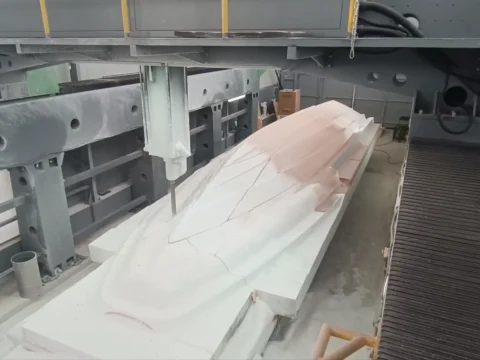
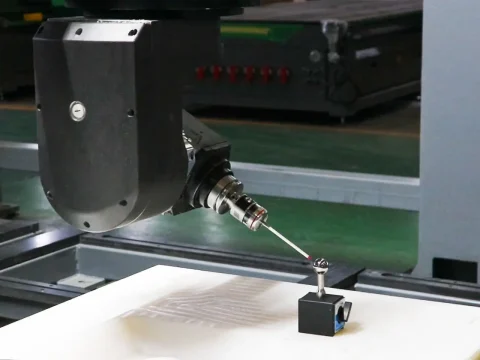
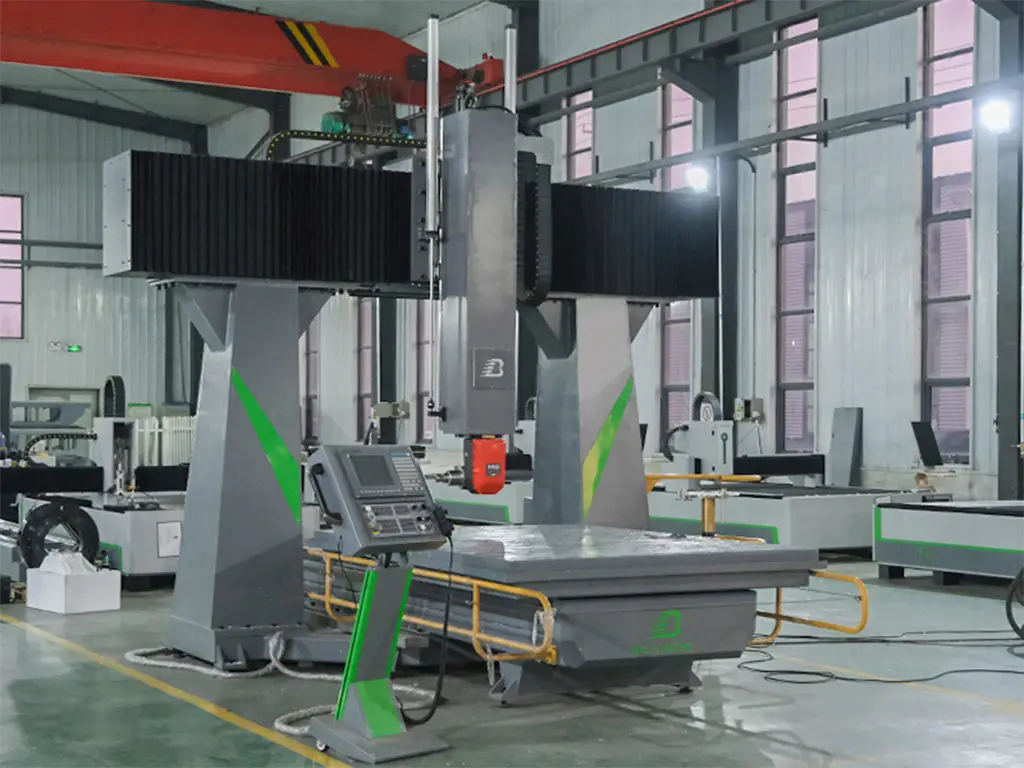
A 5 axis CNC router is an advanced machining system capable of moving a cutting tool or workpiece along five different axes simultaneously.
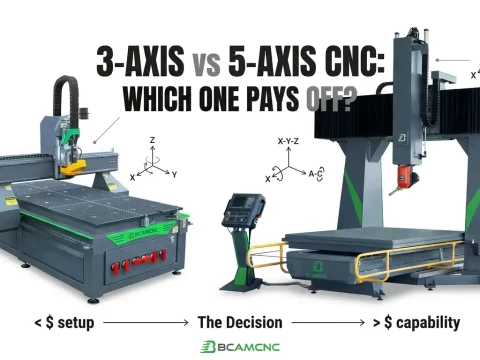
Compared with traditional 3 axis machines, a 5 axis CNC router allows the cutting tool to approach the material from multiple angles. This capability is especially important for aerospace parts with complex geometries.
Typical axis configuration includes:
X axis for horizontal movement
Y axis for lateral movement
Z axis for vertical movement
A axis for rotational tilting
C axis for rotational positioning
With these movements combined, manufacturers can machine complex aerospace components in a single setup.
Advantages of 5 Axis CNC Router for Aerospace Composites
High precision machining
Aerospace parts require extremely tight tolerances. A 5 axis CNC router provides precise control and stable cutting paths for composite trimming and drilling.
Reduced setup time
Complex aerospace components often require multiple machining angles. A 5 axis system can complete these operations in one setup, significantly reducing production time.
Better surface quality
Composite materials can easily experience fiber tearing during machining. Advanced 5 axis routing strategies help minimize damage and improve edge quality.
Improved tool life
By optimizing cutting angles and load distribution, a 5 axis CNC router reduces tool stress and extends tool life when machining abrasive composite materials.
Higher productivity
Manufacturers can produce complex aerospace parts faster while maintaining consistent quality.
Typical Aerospace Composite Parts Machined by 5 Axis CNC Routers
A 5 axis CNC router is commonly used to process many aerospace composite components, including:
Aircraft interior panels
Carbon fiber structural parts
Composite radomes
Wing edge trimming
Fuselage composite panels
Honeycomb sandwich structures
Aerospace molds and tooling
These components often require curved surfaces, angled drilling, and complex trimming paths that cannot be efficiently produced using conventional machines.
Key Features of a 5 Axis CNC Router for Aerospace Applications
To meet aerospace manufacturing requirements, a 5 axis CNC router typically includes several advanced features.
High rigidity machine structure ensures stable cutting when machining composite materials.
High speed spindle allows efficient processing of carbon fiber and fiberglass materials.
Advanced CNC controller provides precise toolpath control for complex aerospace components.
Vacuum table or fixture system secures lightweight composite panels during machining.
Dust extraction system removes carbon fiber dust and improves workshop safety.
These features allow manufacturers to achieve consistent machining quality for aerospace composite components.
CNC Machining Process for Aerospace Composites
The machining workflow usually involves several steps.
First, engineers create a CAD model of the aerospace component. Then CAM software generates the toolpath required for trimming or drilling.
The 5 axis CNC router follows this toolpath to precisely cut the composite material.
Common machining operations include:
Edge trimming
Contour cutting
Drilling
Slot machining
Surface finishing
Proper tool selection and cutting parameters are essential to prevent delamination and maintain part quality.
Why 5 Axis CNC Routers Are Ideal for Composite Materials
Composite materials often require machining at multiple angles. A 5 axis CNC router allows the cutting tool to maintain optimal orientation relative to the material surface.
This capability improves cutting stability and reduces machining defects.
For industries such as aerospace, automotive, wind energy, and marine manufacturing, 5 axis CNC routers provide the flexibility required to process advanced composite structures.
Conclusion
Aerospace manufacturers increasingly rely on 5 axis CNC routers to process advanced composite materials with precision and efficiency. These machines allow complex trimming, drilling, and cutting operations to be completed in a single setup.
With high precision, improved productivity, and the ability to handle complex geometries, a 5 axis CNC router has become an essential tool for aerospace composite machining.
For companies working with carbon fiber, fiberglass, and honeycomb panels, investing in advanced 5 axis CNC technology can significantly improve manufacturing capability and production efficiency.