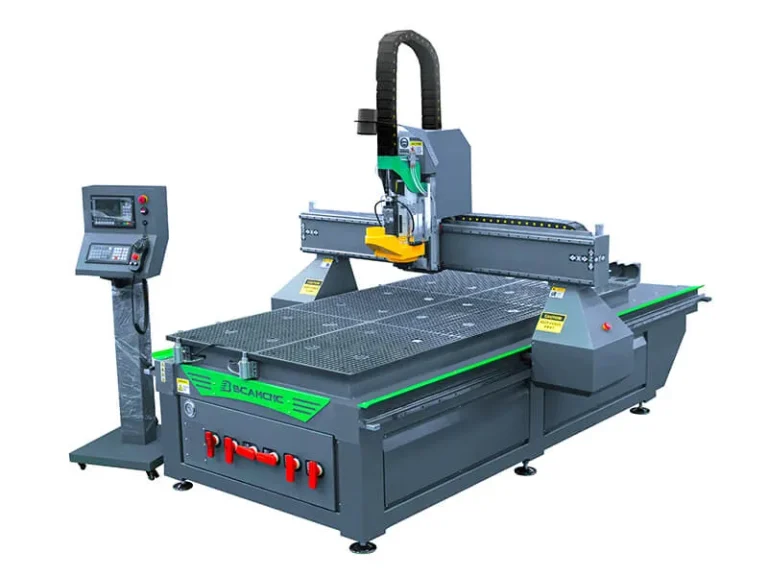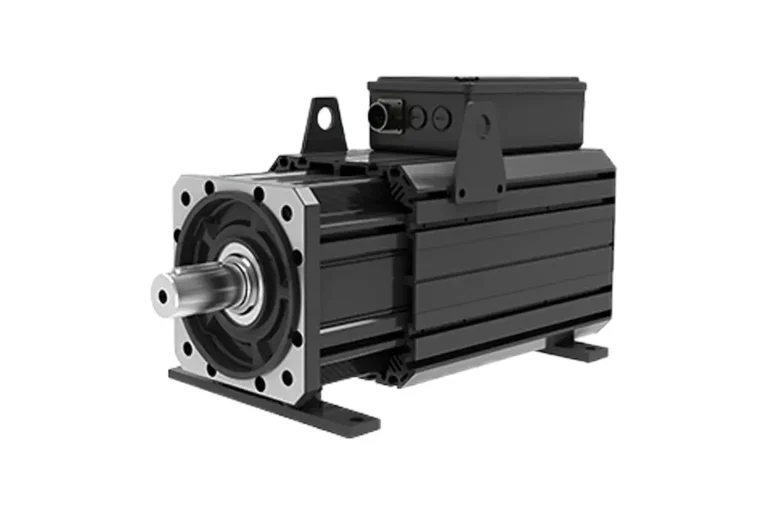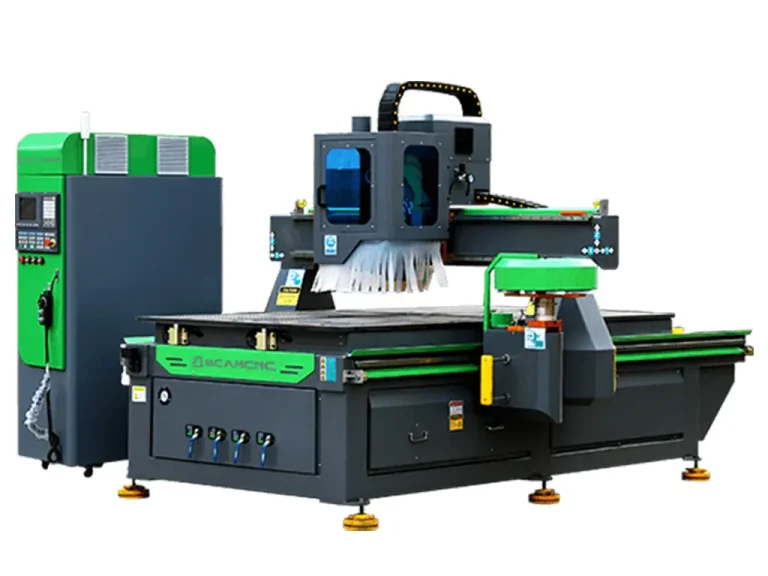

Choosing the correct spindle power is one of the most important technical decisions when configuring a CNC router for furniture production. Spindle power directly affects cutting efficiency, surface quality, tool life, and overall productivity.
Furniture manufacturers often hesitate between 6kW, 9kW, or higher-power spindles because each option suits different materials, workloads, and production scales. This guide explains how to choose the right spindle power based on real manufacturing requirements.
Why Spindle Power Matters in Furniture CNC Routing
Spindle power determines how much cutting force your CNC router can deliver. In furniture manufacturing, this affects:
- Cutting speed and feed rate
- Ability to process dense materials
- Stability during heavy cutting
- Tool wear and lifespan
- Production efficiency
A spindle that is too small reduces productivity, while an oversized spindle increases cost and energy consumption without real benefits.
6kW Spindle: Best for Light to Medium Furniture Work
A 6kW spindle is typically considered an entry-to-mid-level configuration for furniture CNC routers.
Suitable Applications
- MDF cutting
- Plywood nesting
- Particle board processing
- Cabinet panel cutting
- PVC and acrylic sheets
Advantages
- Lower investment cost
- Reduced energy consumption
- Stable for continuous panel cutting
- Adequate for most standard cabinet factories
Limitations
- Slower cutting in thick hardwood
- Limited capability for heavy roughing
- Not ideal for solid wood furniture production
Recommended for: small and medium cabinet manufacturers or entry-level furniture factories.
9kW Spindle: The Most Balanced Choice for Furniture Production
A 9kW spindle is widely considered the optimal configuration for professional furniture manufacturing.
Suitable Applications
- Solid wood machining
- Hardwood cutting
- Deep slotting and grooving
- Heavy panel nesting
- Continuous mass production
Advantages
- Higher torque output
- Faster cutting speed
- Improved tool life
- Stable performance during heavy cutting
- Excellent balance between cost and performance
Why It’s the Industry Standard
Most furniture factories choose 9kW because it can handle both panel furniture and solid wood applications without overloading the machine.
Recommended for: medium to large furniture manufacturers seeking versatility and productivity.
12kW and Higher: For Heavy-Duty and Industrial Production
High-power spindles (12kW–15kW+) are designed for demanding industrial workloads.
Suitable Applications
- Thick hardwood cutting
- High-speed roughing operations
- Long continuous production shifts
- Multi-tool ATC machining centers
- Large-scale furniture factories
Advantages
- Maximum cutting efficiency
- Extremely high torque
- Minimal vibration under heavy load
- Supports aggressive feed rates
Limitations
- Higher machine cost
- Increased energy consumption
- Requires stronger machine structure
Recommended for: industrial furniture manufacturers and high-volume automated production lines.
Key Factors When Choosing Spindle Power
1. Material Type
- MDF / plywood → 6kW sufficient
- Solid wood → 9kW recommended
- Thick hardwood → 12kW+
2. Production Volume
- Small batch → 6kW
- Continuous production → 9kW
- Industrial mass production → 12kW+
3. Machine Configuration
Higher spindle power requires:
- Stronger machine frame
- Better cooling systems
- Higher-capacity electrical supply
Quick Selection Guide
| Production Need | Recommended Spindle Power |
|---|---|
| Cabinet panel cutting | 6kW |
| Mixed furniture production | 9kW |
| Solid wood heavy cutting | 9kW–12kW |
| Industrial mass production | 12kW+ |
Conclusion
There is no single “best” spindle power for furniture CNC routers — the right choice depends on your materials, production scale, and workflow.
6kW is ideal for standard panel furniture production.
9kW offers the best balance of performance and cost for most factories.
12kW and above are suited for heavy-duty industrial manufacturing.
For most furniture manufacturers aiming to improve efficiency and flexibility, a 9kW spindle remains the most recommended configuration.