
Quipment:
1. Automatic Feeding System: Used to automatically convey raw materials (such as wood, plywood, MDF, etc.) to various processing equipment. The system includes feeding racks, conveyor belts, and automatic material handling devices.
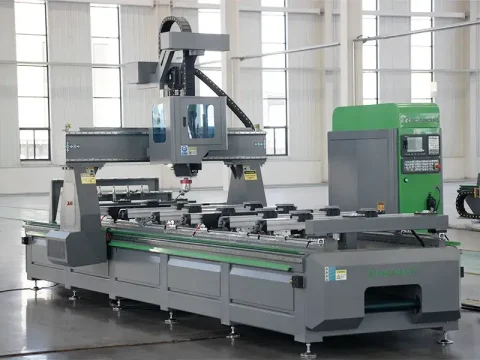
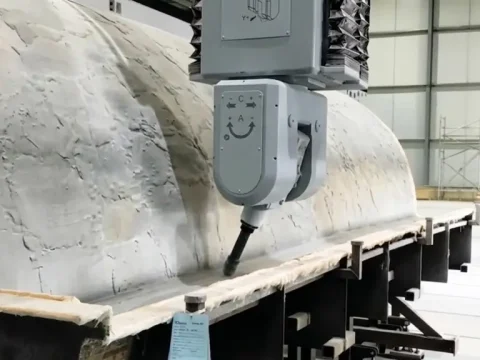
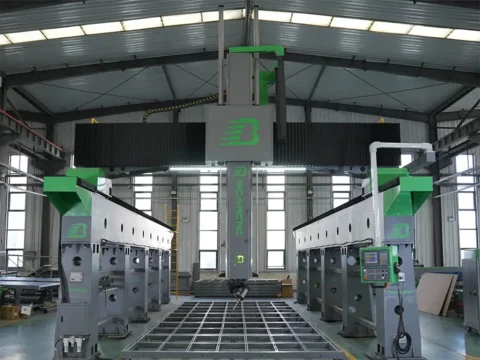
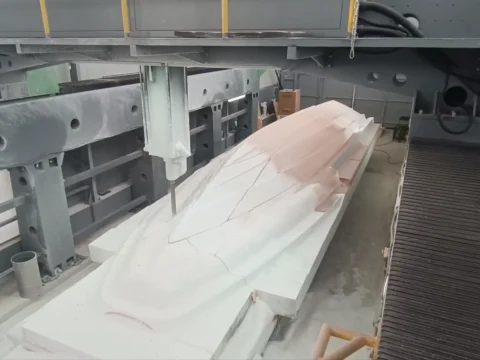
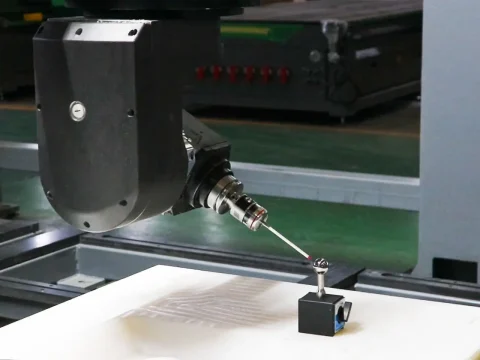
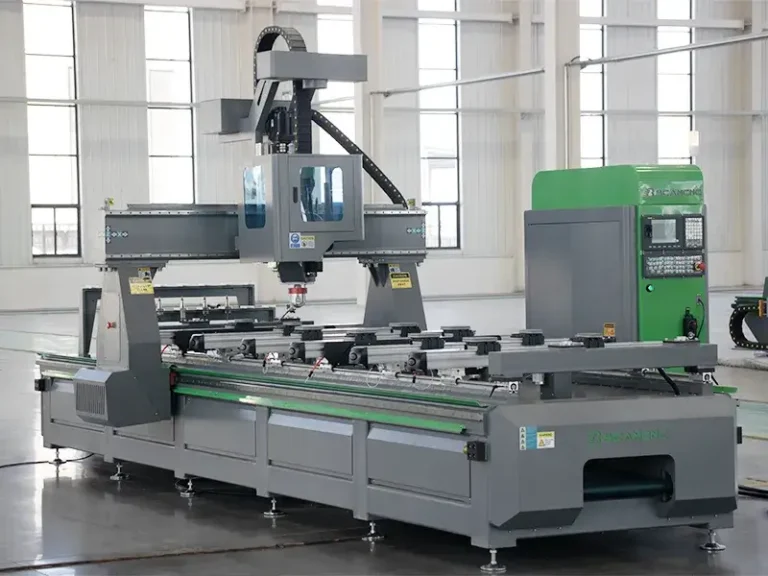
2. CNC Machining Center: This equipment is used for precise processing tasks such as cutting, carving, drilling, and slotting of wooden doors. CNC machines perform high-precision, high-efficiency operations based on preset programs.
3. Pressing Machine: Used in the lamination process of wooden doors, often to press multiple layers of material into shape, such as pressing plywood with a solid wood veneer. Pressing machines may include cold pressers and hot pressers.
4. Sanding Machine: Used to sand the surface of wooden doors, making it smooth and even, ready for subsequent painting or veneering processes. Sanding machines may include wide belt sanders, vertical sanders, etc.
5. Edge Banding Machine: Used to apply edge banding on the edges of wooden doors, preventing exposure of the internal material and enhancing the appearance and durability of the door. The machine automatically applies edge banding tape and trims the edges.
6. Spraying Equipment: Used for painting or coating the surface of wooden doors. Automated spraying equipment includes spray paint robots, spray booths, and drying equipment to ensure a uniform and high-quality finish.
7. Drying Equipment: Typically includes drying ovens or UV curing machines, used to quickly dry the surface coating or paint on the wooden doors, improving production efficiency.
8. Assembly Line: This line is used for the automated assembly of various door components (such as door frames, door cores, decorative strips, etc.). It includes various automated fixtures and conveyor systems.
9. Inspection Equipment: Used to inspect the dimensions, appearance, coating quality, etc., of wooden doors. Automated inspection equipment ensures that each door meets the required quality standards.
10. Packaging Line: The final stage, where qualified wooden doors are automatically packaged for transportation and storage. The packaging line typically includes automatic packing machines, labeling machines, and palletizers.
Rocesses:
1. Raw Material Preparation: Raw materials like wood and plywood are delivered to the CNC machining center via the automatic feeding system.
2. Cutting and Shaping: The CNC machining center cuts, carves, slots, and shapes the wooden doors according to design drawings, forming the basic outline of the door.
3. Lamination: Materials that require multiple layers are sent to the pressing machine, where they are pressed into shape using cold or hot press techniques.
4. Sanding: The initially shaped wooden doors are sent to the sanding machine to smooth the surface, ensuring it is even and polished.
5. Edge Banding: The edges of the wooden doors are treated with edge banding using the edge banding machine, improving durability and aesthetics.
6. Spraying: The doors are sent to the spray booth, where they are coated or painted using spraying equipment.
7. Drying: The coated or painted doors are moved into drying equipment for curing or drying of the surface treatment.
8. Assembly: Various door components (such as frames and cores) are automatically assembled on the assembly line.
9. Quality Inspection: Finished doors undergo a thorough inspection for dimensions, appearance, and coating quality using inspection equipment.
10. Packaging and Shipping: Doors that pass inspection are automatically packaged on the packaging line and prepared for shipping.
This entire process and equipment setup significantly enhances the efficiency and quality of wooden door production, reducing the complexity and error rate associated with manual operations.