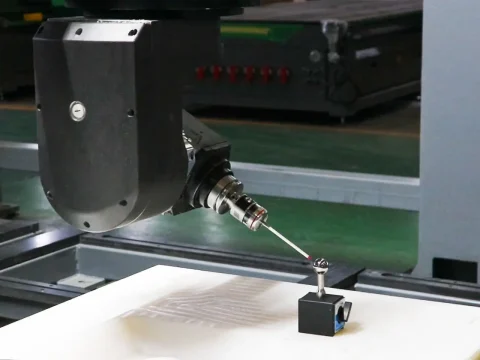

A CNC router is a very flexible machine. It is widely used in woodworking, furniture production, sign making, and even light industrial manufacturing. Many buyers ask the same question before investing:
What materials can a CNC router actually cut?
The answer depends on the machine configuration, spindle power, tooling, and vacuum system. Below is a clear breakdown of the most common materials.
1. Wood (The Most Common Material)
Wood is the primary material for CNC routers, especially in the furniture and door industries.
Solid Wood
- Pine
- Oak
- Maple
- Walnut
- Beech
- Teak
CNC routers are ideal for:
- Furniture parts
- Door frames and panels
- Decorative carvings
- 3D relief work
Engineered Wood
- MDF (Medium Density Fiberboard)
- Plywood
- Particle board
- OSB board
- Blockboard
These materials are widely used in:
- Cabinets
- Wardrobes
- Office furniture
- Interior panels
Nesting CNC routers are especially efficient for cutting sheet materials like MDF and plywood with high material utilization.
2. Plastics
With the correct spindle speed and cutting tools, CNC routers can process many plastic materials.
Common plastics include:
- Acrylic (PMMA)
- PVC board
- ABS
- HDPE
- Polycarbonate
Typical applications:
- Sign making
- Display stands
- Plastic panels
- Light industrial parts
Acrylic is very popular because CNC routers can cut it cleanly and also engrave letters or logos.
3. Soft Metals (Light Cutting Only)
CNC routers are not designed to replace heavy metal milling machines, but they can cut some soft metals with the right setup.
Possible materials:
- Aluminum sheets
- Aluminum composite panels (ACP)
- Brass (thin sheets)
- Copper (thin sheets)
Used for:
- Decorative panels
- Nameplates
- Lightweight mechanical parts
This requires:
- Strong machine structure
- Stable vacuum or clamping
- Proper end mills for aluminum
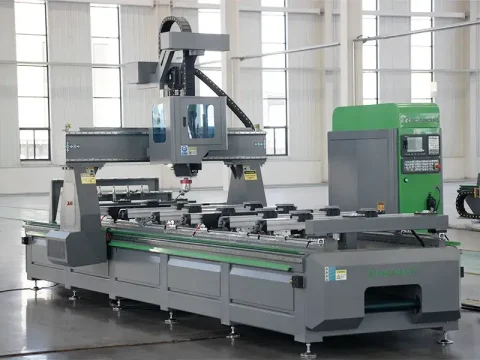
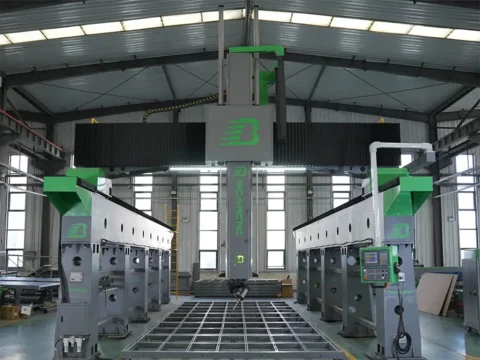
Industrial-grade routers, like those used in advanced BCAMCNC configurations, are often reinforced to handle light aluminum work more steadily than entry-level machines.
4. Foam and Composite Materials
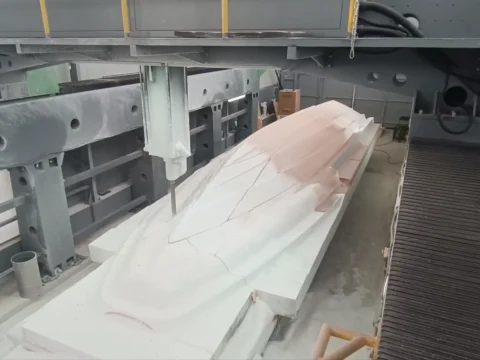
CNC routers are excellent for shaping lightweight materials.
Foam Types
- EPS foam
- PU foam
- EVA foam
Applications:
- Molds
- Packaging forms
- 3D models
- Architectural decorations
Composite Materials
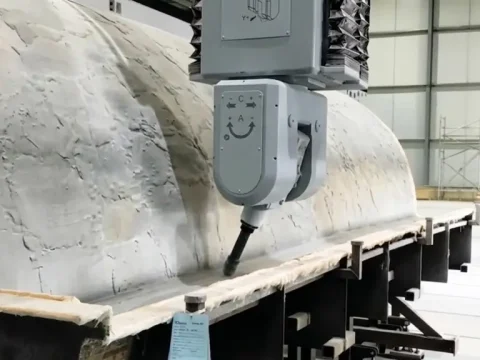
- Fiberglass sheets
- Carbon fiber panels (with dust control)
These materials are used in:
- Automotive molds
- Prototyping
- Industrial design
Dust collection systems are very important when cutting composites.
5. Stone (With Special Setup)
Some CNC routers can process:
- Artificial stone
- Solid surface materials (like Corian)
These are common in:
- Kitchen countertops
- Bathroom surfaces
- Decorative wall panels
Stone cutting usually requires:
- High spindle power
- Water cooling or mist systems
- Rigid machine frame
Not all routers are suitable — this is typically done on heavy-duty machines.
6. What a CNC Router Should NOT Cut
A standard CNC router is not suitable for:
- Thick steel
- Hard alloy metals
- Tempered glass
These materials require specialized industrial machines such as laser cutters, plasma cutters, or metal machining centers.
Key Factors That Affect Cutting Ability
- Even if a material is “cuttable,” performance depends on:
- Spindle Power – Higher power handles harder materials
- Tooling – Different bits for wood, plastic, aluminum, etc.
- Machine Rigidity – Strong frame = better accuracy on harder materials
- Vacuum Table / Clamping – Keeps sheets stable during cutting
- Dust Collection – Essential for MDF, composites, and foam
Choosing the right configuration is just as important as choosing the right material.
Conclusion
A CNC router can cut a wide range of materials, including:
✅ Solid wood
✅ MDF, plywood, and other boards
✅ Plastics like acrylic and PVC
✅ Soft metals like aluminum (light duty)
✅ Foam and composite materials
✅ Artificial stone (with the right setup)
This versatility is why CNC routers are essential in modern furniture, interior decoration, and sign production industries. When properly configured, an industrial CNC router system can handle far more than basic wood cutting — helping factories expand their product range and improve production efficiency.
If you are selecting a machine, always match the material you plan to process with the correct machine structure and spindle configuration.