
What Is a CNC Router?
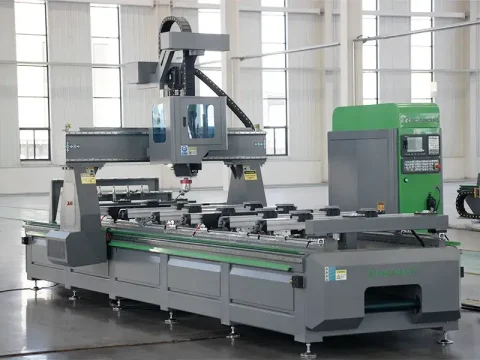
A CNC router is a computer-controlled cutting machine used to shape wood, plastic, foam, composite materials, and non-ferrous metals. Compared with manual or semi-automatic machines, CNC routers offer higher accuracy, better consistency, and improved production efficiency. Based on the number of controlled axes, CNC routers are generally classified into 3-axis, 4-axis, and 5-axis models.
3-Axis CNC Router: The Most Common Entry-Level Solution
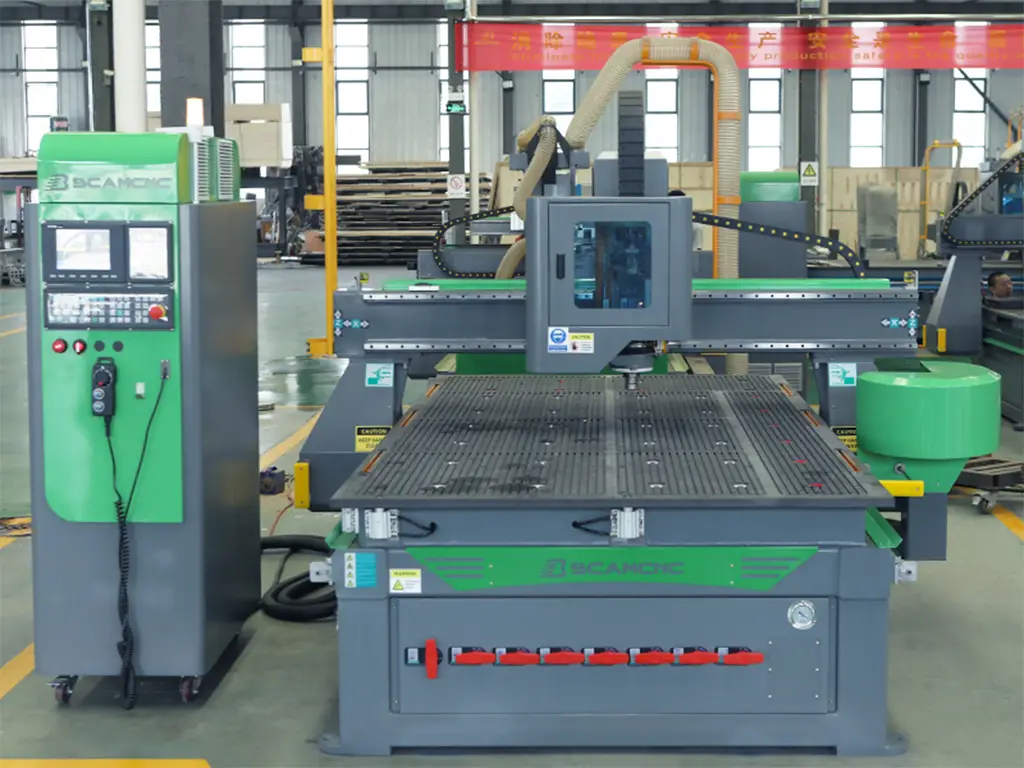
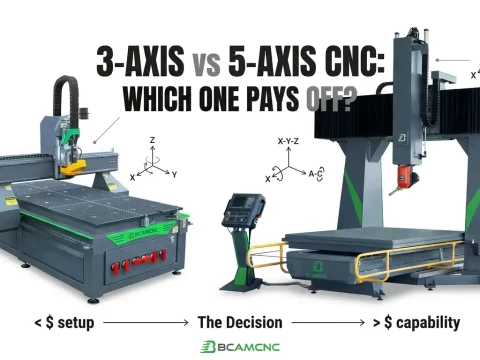
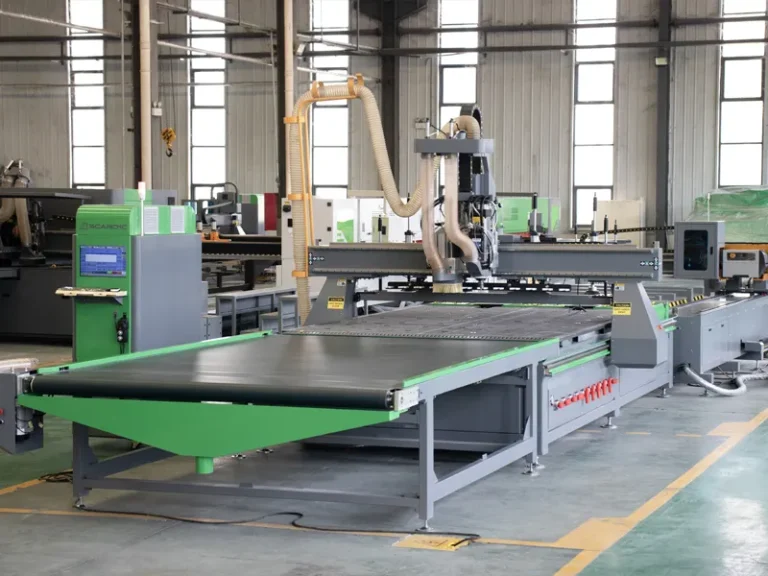
A 3-axis CNC router moves along the X, Y, and Z axes. This configuration is widely used and suitable for flat cutting, engraving, drilling, and simple 3D relief work.
Typical applications include:
- Furniture panels and cabinet doors
- MDF, plywood, and solid wood cutting
- Advertising signs and decorative engraving
BCAMCNC 3-Axis CNC Router
BCAMCNC offers industrial-grade 3-axis CNC routers designed for stable daily production. These machines feature rigid frames, reliable spindle options, and user-friendly control systems. For manufacturers focusing on woodworking, advertising, or general panel processing, a BCAMCNC 3-axis CNC router provides a cost-effective and efficient solution.
Key advantages:
- Simple operation and low learning cost
- High productivity for flat workpieces
- Competitive investment cost
4-Axis CNC Router: More Flexibility for Rotary and 3D Work
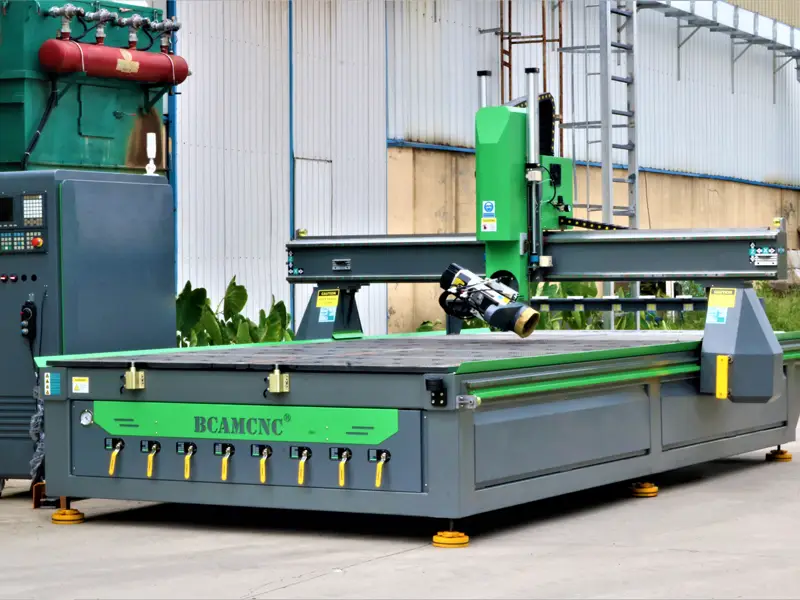
Typical applications include:
- Table legs and chair legs
- Columns, statues, and decorative components
- Partial 3D curved surface machining
BCAMCNC 4-Axis CNC Router
BCAMCNC 4-axis CNC routers are designed for users who need greater flexibility without moving to full 5-axis machining. The rotary axis can be integrated with the working table or added as an optional configuration, making it suitable for both flat and rotary processing.
Key advantages:
- Expanded machining capability compared to 3-axis routers
- Suitable for cylindrical and irregular shapes
- Balanced solution between cost and functionality
5-Axis CNC Router: Advanced Machining for Complex Shapes
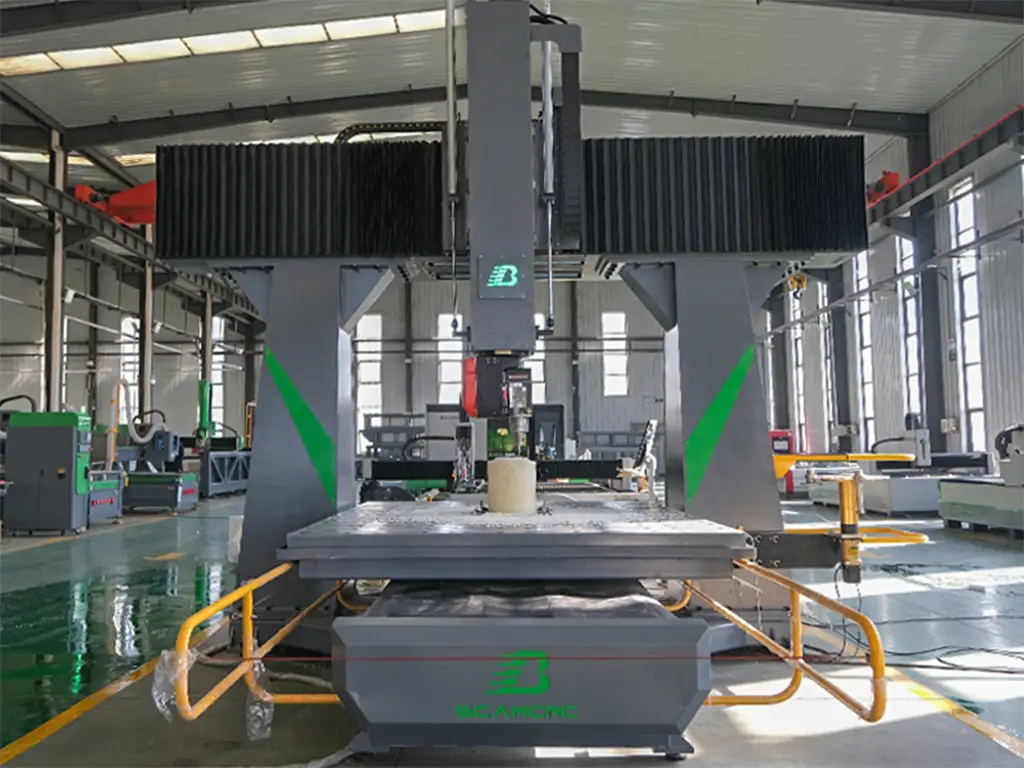
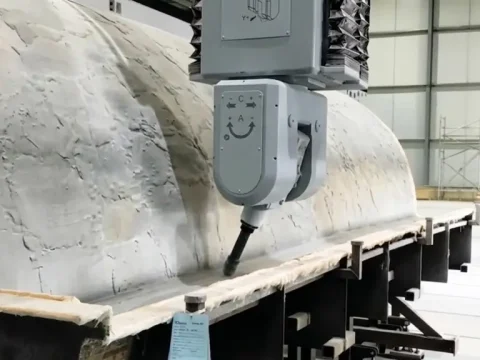
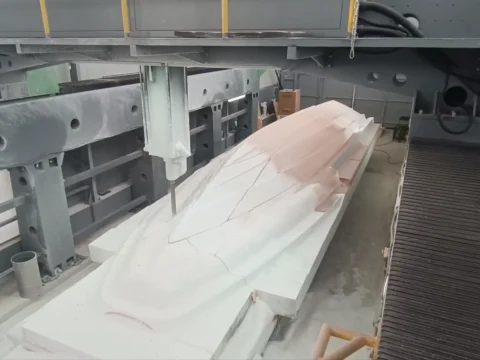
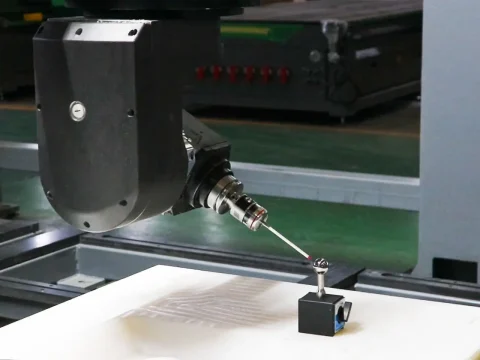
A 5-axis CNC router allows simultaneous movement along five axes, enabling the tool to approach the workpiece from multiple angles. This significantly reduces repositioning and improves surface quality for complex parts.
Typical applications include:
- Complex 3D molds and prototypes
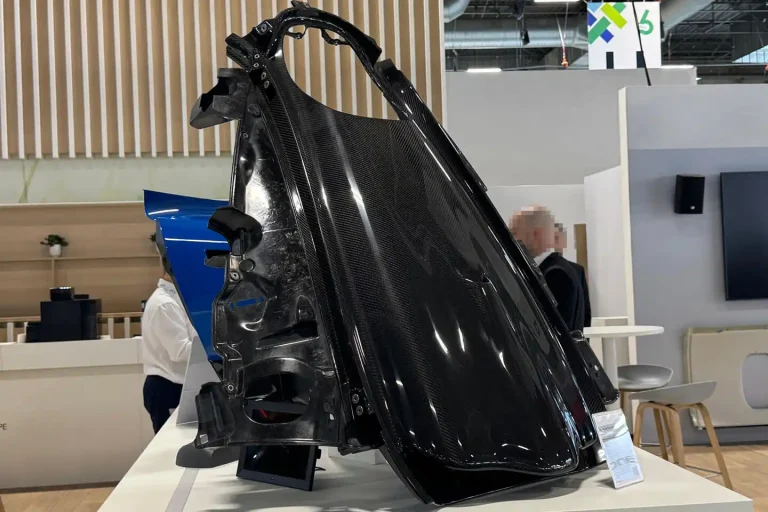
- Aerospace and automotive components
- Foam molds, composite parts, and curved solid wood structures
BCAMCNC 5-Axis CNC Router
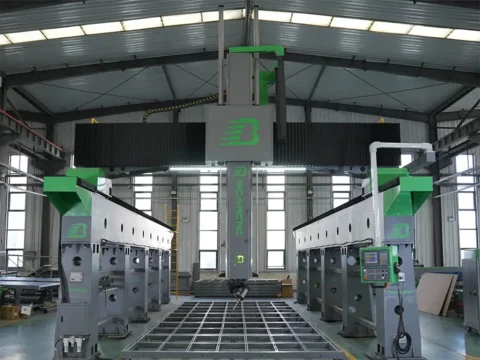
BCAMCNC specializes in industrial 5-axis CNC router solutions for professional manufacturers. These machines are engineered for high rigidity, precision motion control, and long-term stability. With options such as dual working tables and advanced control systems, BCAMCNC 5-axis CNC routers are suitable for continuous production and high-value projects.
Key advantages:
- One-time clamping for complex 3D machining
- Higher accuracy and smoother surface finish
- Ideal for high-end industrial applications
How to Choose the Right CNC Router Type
When selecting a CNC router, it is important to consider your actual production requirements rather than choosing the most advanced option by default.
Choose a 3-axis CNC router if your work mainly involves flat panels and standard engraving.
Choose a 4-axis CNC router if you need rotary processing or moderate 3D capabilities.
Choose a 5-axis CNC router if your products require complex geometry, high precision, and advanced machining angles.
Conclusion
Understanding the differences between 3-axis, 4-axis, and 5-axis CNC routers helps manufacturers make informed investment decisions. From entry-level production to advanced industrial machining, BCAMCNC provides a complete range of CNC router solutions to meet diverse processing needs. Selecting the right machine not only improves efficiency but also ensures long-term production stability and return on investment.