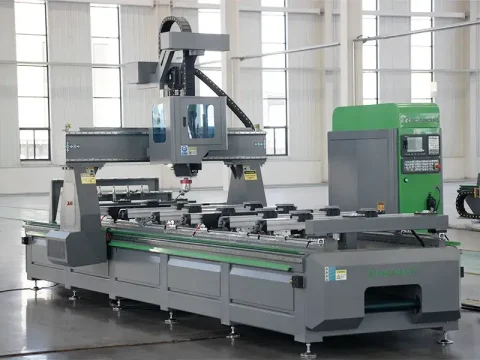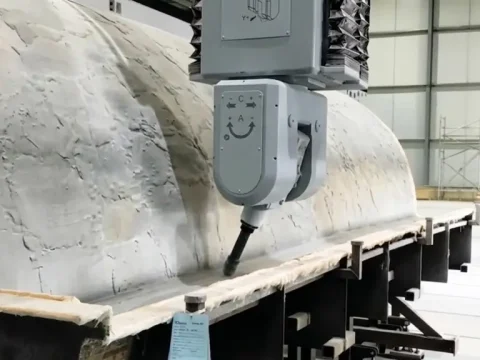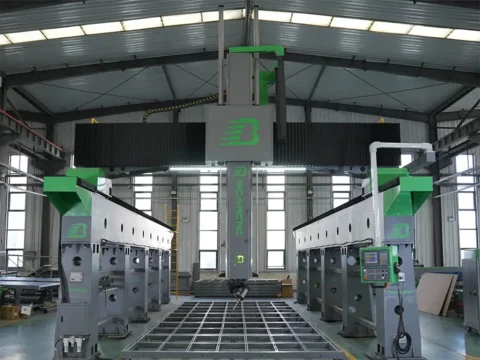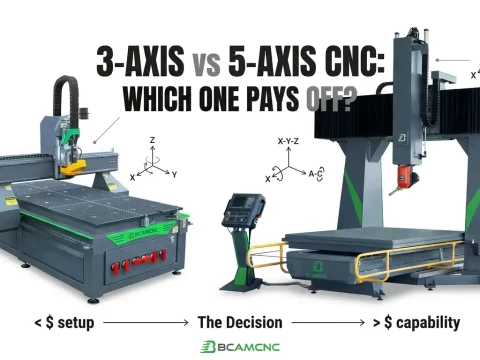

When we use the stone engraving machine, we must understand the operation of the stone engraving machine in advance, so as to better utilize the advantages of the machine. Standardized operation is very necessary, because this is also a prerequisite to ensure our safety, so this point requires everyone to follow the relevant operating standards.
1. Before starting the machine tool, check whether the lubrication and protective devices of each part of the machine tool meet the relevant requirements.
2. Choose tools and fixtures reasonably. When clamping precision workpieces or thin and soft workpieces, the clamping method should be appropriate, and the bite should be appropriate to ensure that the clamping is firm and reliable. Do not strike hard. Use a wooden hammer or pad to strike lightly.

3. During operation, it is necessary to observe whether the workpiece clamping is loose at any time. If we find looseness during use, we should stop in time to prevent hurting people. When observing the workpiece during operation, the position should be appropriate.
4. The operation should be civilized, and no irrelevant activities should be carried out on the machine tool rails and workbenches at will. It is not allowed to pass items from above the moving parts of the machine tool.
5. Follow the process regulations and do not arbitrarily modify the set parameters and operating procedures of the manufacturer in the numerical control system.
6. After the operation is completed, clean the machine tool, clean up the work site, and disconnect the power supply.
After we have a general understanding of the operation of the stone engraving machine, we can have a general reference when operating, but the specifics should be based on the actual situation, so as to better protect our own safety and machinery. Running. Then when choosing a stone engraving machine, please come to consult and understand.