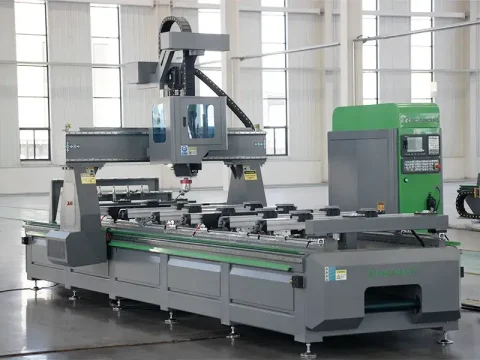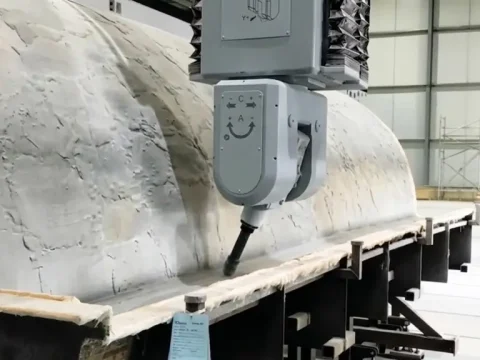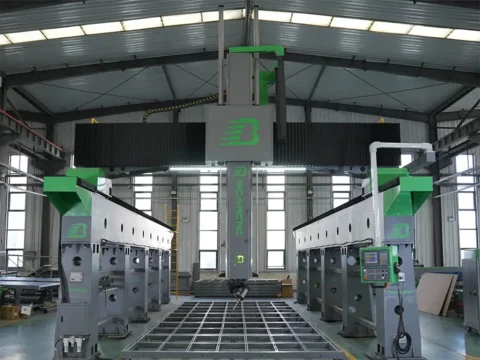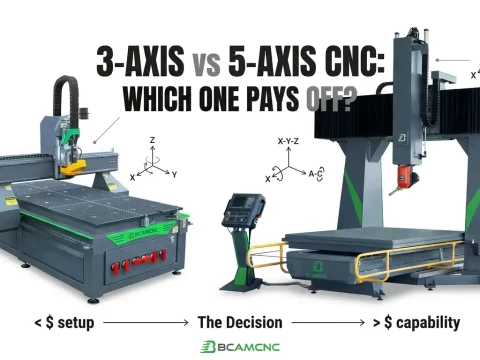

In the process of using the CNC engraving machine, first of all we need to have a correct understanding and understand the general operation process, which will be of great help to users who are new to CNC equipment.
(1) Programming error: It is mainly the interpolation error produced by the numerical control system during numerical control programming. This is an important factor that affects the machining accuracy of parts. It can be solved by increasing the number of interpolation nodes, but it will increase the workload of programming.
(2) Tool tip arc error: When cutting the inner hole, external cause or end face, the tool tip arc does not affect its size and shape, but when processing the cone or arc, the tool tip arc will cause overcutting or less cut. This error can be eliminated by measuring the arc radius of the tool tip and using the tool radius compensation function.

(3) Measurement error: Mainly affected by the measuring accuracy of the measuring tool and the operation method of the measurer, the actual measurement size is inaccurate. This error can be compensated.
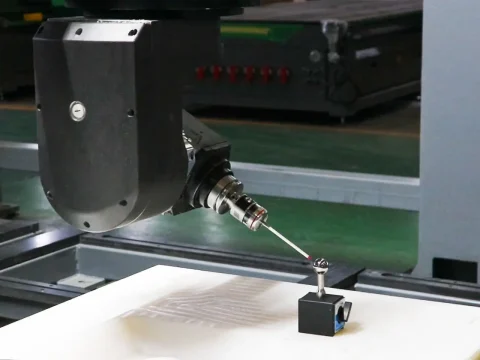
(4) Tool setting error: This error is mainly caused by the tool setting process. When the tool moves to the starting point position, it is affected by the feed adjustment ratio value of the operating system. The solution is to choose the feed adjustment ratio reasonably, especially when the tool is close to the starting point position, the minimum block feed adjustment is used to accurately determine the position of the starting point.
(5) Machine tool system error: the geometrical and positional tolerance caused by the influence of the machine tool body, this tolerance is generally not adjustable; the repetitive positioning error generated by the servo unit and the drive device is mainly affected by the system's pulse equivalent size, uniformity and transmission route of the machine tool; These errors are small and stable, and should only be considered during precision machining.
If you have product requirements for CNC engraving machines, you can leave your email and we will contact you later