
Hybrid CNC Routers for Digital Finishing
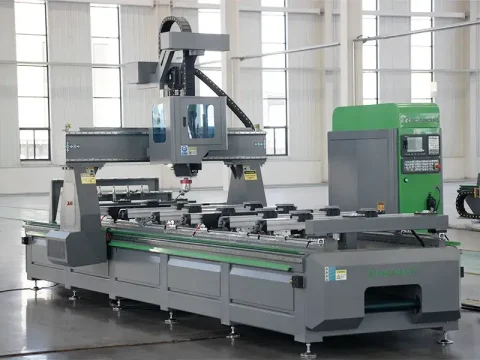
Digital finishers are being asked to do more. From routing aluminum and acrylic to cutting and trimming paper, vinyl, foam board, coroplast, styrene, and rubber. Today, advances in technology include high-speed processing that enables both heavy-duty and lightweight material cutting. Instead of using separate finishing tables, the process has evolved with the development of hybrid CNC routers that include larger routing spindles with tangential and oscillating knives.
Hybrid CNC Components
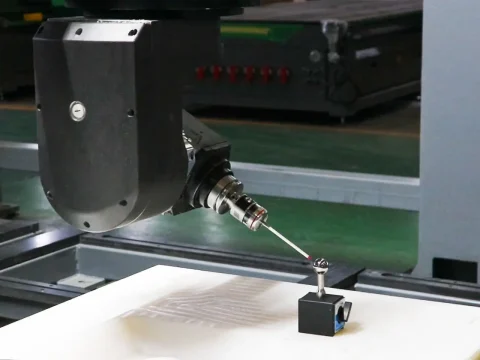
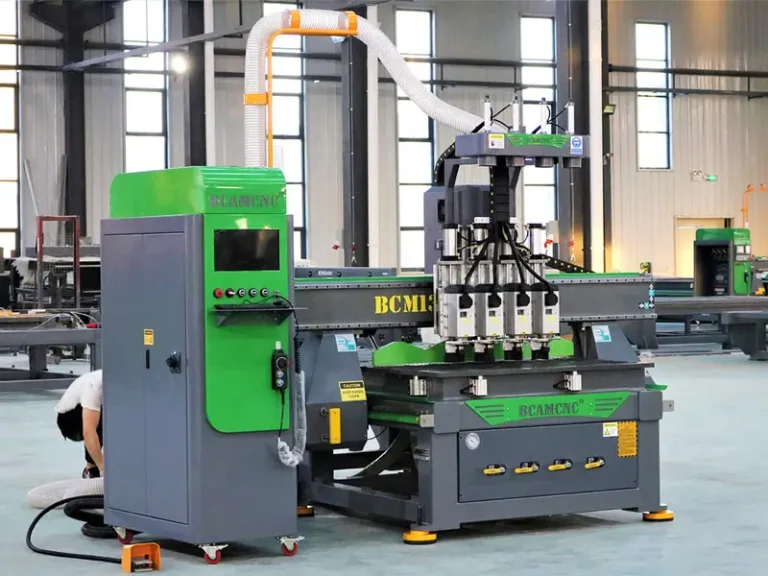
The components of the hybrid can be described as a three-head configuration: the routing spindle, an oscillating knife, and a tangential knife. The combination of these three components ensures processing capabilities are endless.
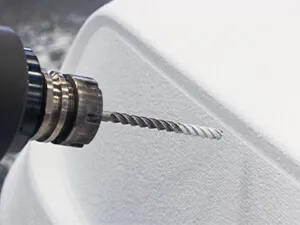
A routing spindle can come with a variety of power ratings up to 10Hp. Select the HSD quick-release spindle for cutting speeds up to 24,000 rpm. There is a wide variety of choices of router bits, and it is important to select the bit that is most appropriate for the material that is to be processed.
The oscillating knife is suitable for soft and/or flexible materials such as corrugated plastic. It is apt to saw through material and does not fray. Unlike the oscillating knife, the tangential utilizes a fixed blade and is best used for materials that are heavier, thicker, or harder. Both of these knives have a varied selection of blades that are fitted with different geometries designed to suit various materials.
Compatible Materials
ALUMINUM
ALUMINUM COMPOSITES
FOAMBOARD
FOAMEX
VINYL
PLASTICS
STYRENE
COROPLAST
PETG
CARDBOARD
Need Help?
Speak to one of our specialist sales representatives who will help you prepare a personalized machine specification. Our sales reps have many years of technical experience to help guide you through the necessary steps to selecting the ideal CNC Router for your unique needs now and in the future.