
Aluminum is widely used in modern manufacturing for its light weight, corrosion resistance, and structural strength. But when it comes to welding, aluminum is notoriously difficult to handle using conventional processes such as TIG, MIG, or resistance welding. As industries push toward higher efficiency and cleaner results, laser welding has quickly become the preferred solution.
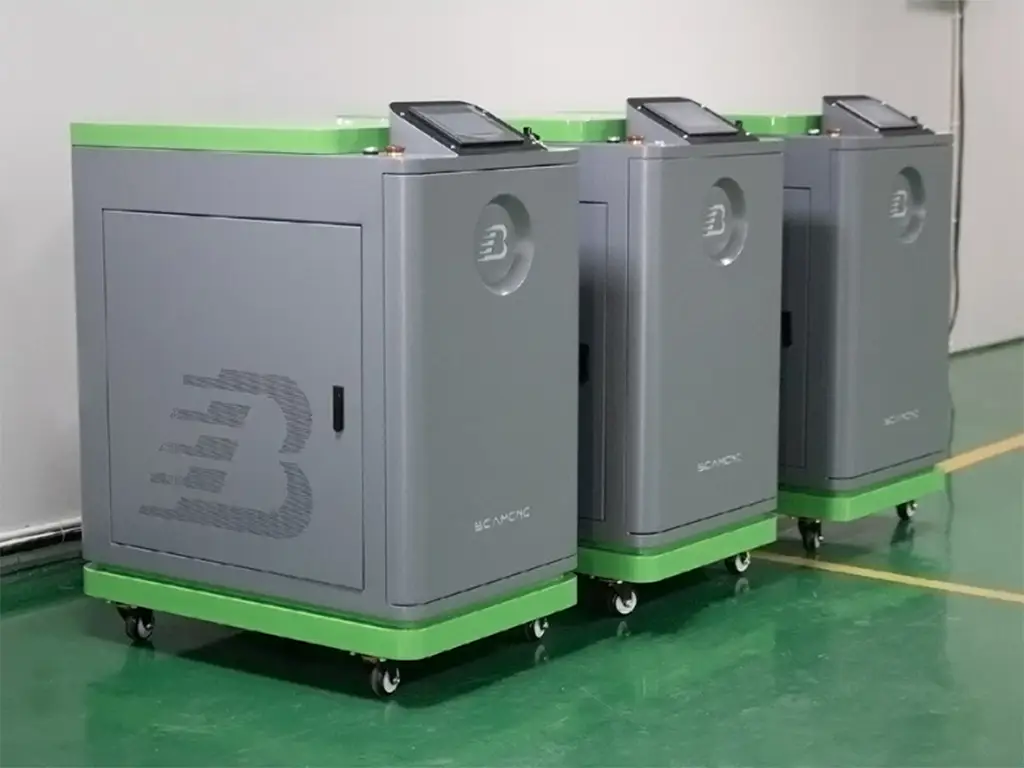
Below, we examine why laser welding stands out — and how it solves many of the limitations found in traditional methods.
1. Precision That Conventional Welding Cannot Match
Traditional welding produces a wide heat-affected zone, especially when working with aluminum’s high thermal conductivity. This often leads to:
• Warping
• Distorted edges
• Inconsistent bead appearance
Laser welding, on the other hand, uses a tightly focused beam that delivers energy exactly where it’s needed. The result is:
• Narrower seams
• Minimal thermal distortion
• Significantly greater dimensional accuracy
For industries that rely on clean geometry — such as electronics, automotive battery components, and aerospace parts — this level of precision is a game changer.
2. Faster Welding Speeds for Higher Productivity
When comparing productivity, laser welding clearly outperforms MIG and TIG. Because the beam is highly concentrated, it melts the joint rapidly and allows for extremely fast travel speeds.
Key advantages include:
• Shorter cycle times
• Increased output per shift
• Reduced overall processing cost
For manufacturers managing large production volumes, even a small increase in welding speed can translate into significant time and labor savings.
3. Cleaner, Stronger, and More Consistent Welds
Traditional aluminum welding often produces spatter, uneven penetration, or porosity — all of which require additional finishing work. Laser welding minimizes these issues by creating a stable melt pool and deeper, more uniform fusion.
Benefits include:
• Nearly spatter-free welds
• Excellent weld strength
• Minimal post-processing
• Higher repeatability across batches
This makes laser welding ideal for products that require strict cosmetic standards or long-term structural reliability.
4. Wide Application Flexibility Across Industries
Laser welding is now used in almost every sector that processes aluminum. Common applications include:
• Aerospace: Lightweight structural frames, fuel system components
• Automotive: EV battery trays, car body panels, gearbox housings
• Electronics: Enclosures, precision connectors, EMI-shielding parts
• Medical devices: Clean, hygienic welds free from contamination
Its ability to produce consistent, high-quality joints makes it suitable for both delicate components and heavy-duty industrial parts.
Final Thoughts from BCAMCNC
Laser welding overcomes many of the challenges that limit traditional welding methods — especially when dealing with aluminum. With faster speeds, cleaner seams, reduced distortion, and higher overall efficiency, it represents the next step forward for manufacturers looking to improve product quality and output.
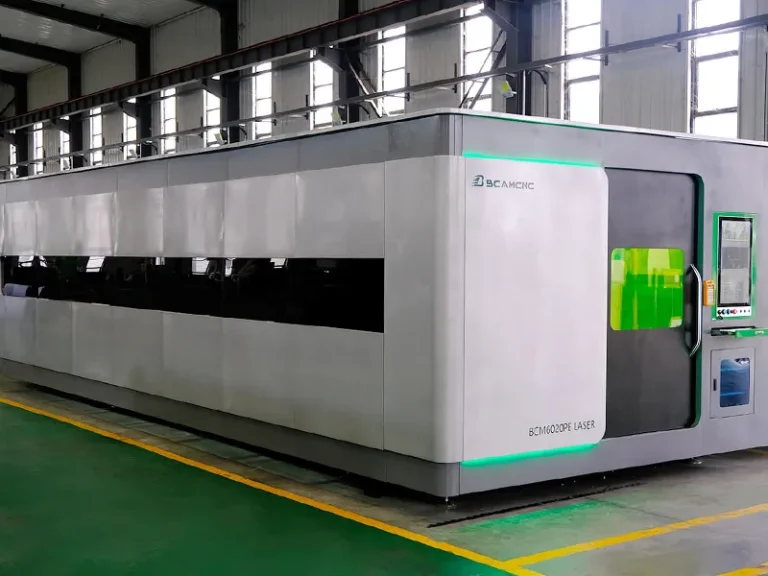
BCAMCNC continues to develop fiber laser solutions optimized for aluminum processing, helping workshops and production lines achieve stable, high-performance welds across diverse applications.