
Understanding the most frequent challenges in laser cutting—and how to address them—is essential for maintaining high-quality results. Here are the typical issues and practical solutions:
Slag
Slag refers to leftover material that adheres to the bottom edge of the cut. This can be minimized by increasing the assist gas pressure or optimizing laser power and cutting speed, ensuring more efficient material removal and cleaner cuts.
Inconsistent Cut Width
Uneven cut widths often result from incorrect focus settings or unstable material placement. When the laser beam is not properly focused, the cut path can vary in width. Regularly checking focus adjustments and securing the material firmly on the worktable helps achieve uniform cuts.
Irregular Cutting Lines
Excessive cutting speed can cause waviness or distortion along the cut edge. Low gas pressure can prevent molten material from being fully removed, creating uneven lines. Fine-tuning the cutting speed and increasing the shielding gas pressure ensures straight, clean cuts.
Burr Formation
Burrs are raised edges along the cut, which complicate further processing. They are especially common when cutting thicker materials like steel sheets if gas pressure is insufficient to remove molten material efficiently. Adjusting gas pressure and matching laser power to material thickness can significantly reduce burr formation.
Imprecise Cuts
Cuts may be incomplete or rough if the laser power is too low or the cutting speed too high. To prevent this, either increase the laser power or reduce the speed, ensuring the laser energy fully penetrates the material for clean, precise cuts.
Why BCAMCNC Makes a Difference?
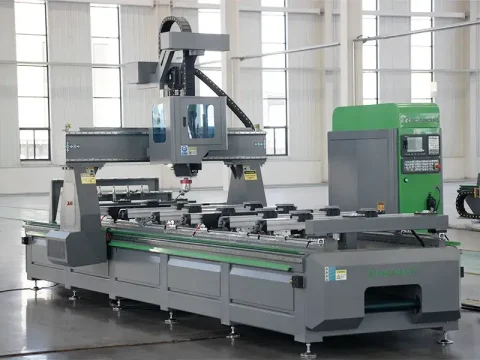
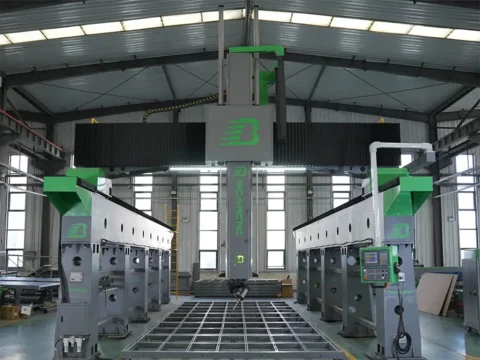
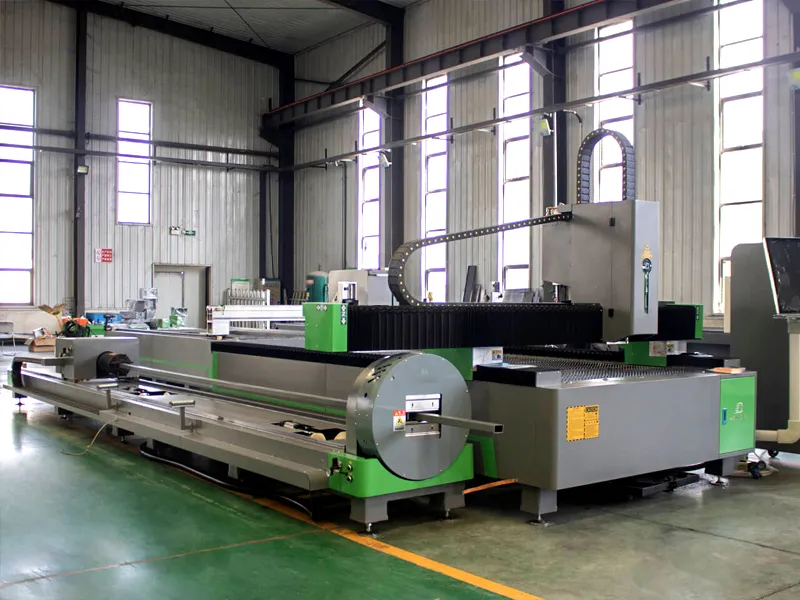
At BCAMCNC, our advanced laser cutting systems are designed to tackle these common challenges effortlessly. With precise control over laser parameters, stable material handling, and optimized gas flow, our machines deliver consistently clean, accurate, and burr-free cuts—improving efficiency and reducing the need for post-processing.
Ready to Optimize Your Laser Cutting Process?
Looking for a CNC solution tailored to your needs? Contact BCAMCNC today — we’ll analyze your production, run test cuts, and recommend the best laser cutting machine for your business.
📧 Email: admin@bcamcnc.com
📞 WhatsApp: +8615154109683