
In modern manufacturing, a CNC router is not just a piece of equipment—it is a long-term investment that directly impacts productivity, quality, and profitability.
For businesses in woodworking, furniture production, sign making, or light metal processing, one key question always comes up:
Should you buy a locally supplied CNC router or import directly from a manufacturer?
This article explores the real-world differences between imported and local CNC routers, helping you decide which option delivers the best return on investment for your business.
1. The Real Cost Difference: Local Markups vs. Factory-Direct Pricing
At first glance, local CNC routers may seem more convenient. However, the price structure tells a different story.
Local CNC Router Suppliers
Most local sellers operate as distributors. They:
- Import machines from overseas manufacturers
- Add markups (often 30%–50%)
- Cover costs such as showrooms, sales staff, and local marketing
As a result, buyers pay a premium for local presence rather than machine performance.
Imported CNC Routers (Factory-Direct Model)
When you purchase directly from a manufacturer like BCAMCNC, you eliminate the middleman. This means:
- Factory-direct pricing
- Better value for the same budget
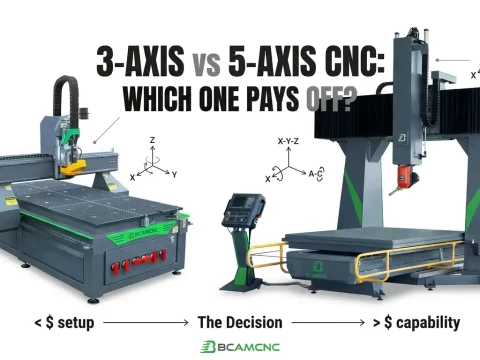
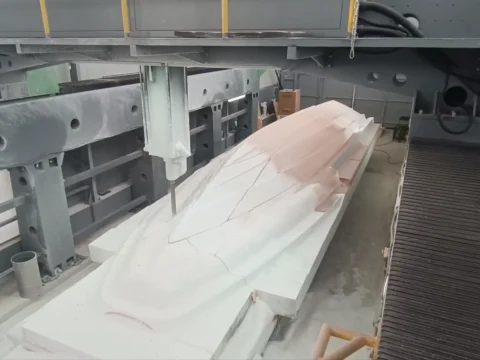
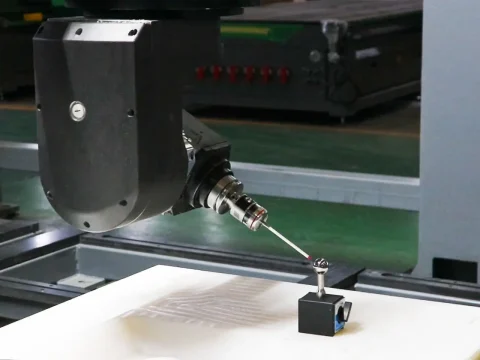
- The ability to invest in higher specifications, such as ATC systems or even a 5-axis CNC router, instead of settling for a basic local model
For many businesses, this difference alone significantly improves ROI.
2. Customization and Technical Flexibility
Limitations of Local Stock Machines
- Local suppliers typically sell:
- Standardized models
- Fixed configurations
Limited upgrade options
What you see in the warehouse is usually what you get.
Advantages of Direct Import Customization
Direct manufacturers focus on solutions, not just inventory.
At BCAMCNC, machines can be customized for:
- Specific table sizes and vacuum zoning
- Automatic tool changers tailored to production workflows
- Spindle options optimized for wood, MDF, plywood, or aluminum molds
- 3-axis, 4-axis, or full 5-axis configurations
This level of customization ensures the machine fits your materials and production goals, not the other way around.
3. Quality Standards: Rethinking “Imported” CNC Routers
A common misconception is that imported CNC routers are lower in quality. In reality, global manufacturing standards have evolved.
Reputable CNC manufacturers now use the same premium components found in high-end European machines, including:
- HSD spindles (Italy)
- Yaskawa servo motors (Japan)
- Schneider electrical components (France)
- Shimpo reducers (Japan)
When you import from an established manufacturer like BCAMCNC, you are not sacrificing quality—you are accessing a more efficient global supply chain.
4. Technical Support and After-Sales Service: Local vs. Remote Reality
The Traditional Local Argument
Local suppliers often promote:
- On-site technicians
- Faster physical service
While this can be helpful, it also has limitations:
- Support quality depends on dealer expertise
- If the distributor relationship changes, local support may disappear
The BCAMCNC Support Model
Modern CNC support no longer relies solely on physical visits.
BCAMCNC provides:
- 24/7 remote technical support
- Real-time video diagnostics
- Direct access to the engineers who designed and built the machine
In many cases, calibration, software, and operational issues are resolved faster remotely than waiting days for a local technician.
5. Imported vs. Local CNC Routers: Quick Comparison
| Feature | Local Supplier | Direct Import (BCAMCNC) |
|---|---|---|
| Initial Cost | High (middleman markup) | Lower (factory-direct) |
| Customization | Limited | High, built-to-order |
| Component Quality | Varies | Premium global brands |
| Technical Support | Local, but inconsistent | 24/7 remote expert support |
| ROI Speed | Slower | Faster |
Final Verdict: Which CNC Router Makes More Sense?
If your business has an unlimited budget and requires on-site support for every minor adjustment, a local CNC supplier may be sufficient.
However, for SMEs and growing manufacturers, direct import is often the smarter investment:
- Lower upfront cost
- Higher machine specifications
- Greater flexibility
- Faster return on investment
By importing directly from a trusted manufacturer like BCAMCNC, businesses gain access to professional-grade CNC routers—such as the BCAM-1325 series or advanced 5-axis CNC machining centers—at a fraction of typical local retail prices.
Investing in Performance, Not Just Convenience
Modern manufacturing demands efficiency, precision, and scalability. Imported CNC routers, when sourced from reliable manufacturers, offer a competitive advantage that local stock machines often cannot match.
BCAMCNC industrial CNC routers are designed for:
- Furniture and cabinet production
- Wood carving and nesting
- Wood and light aluminum processing
With factory-direct pricing and global technical support, BCAMCNC helps manufacturers build smarter, faster, and more profitable production lines.