
The Ultimate 2025 CNC Router Buyer’s Guide

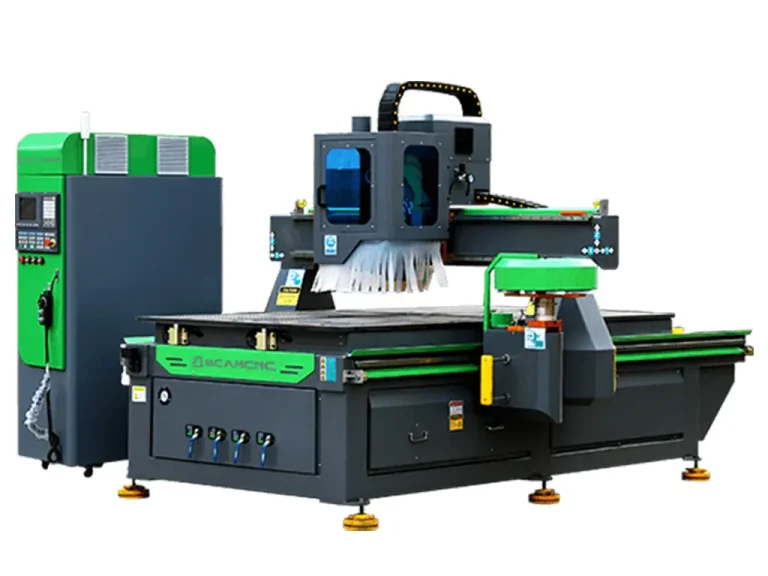
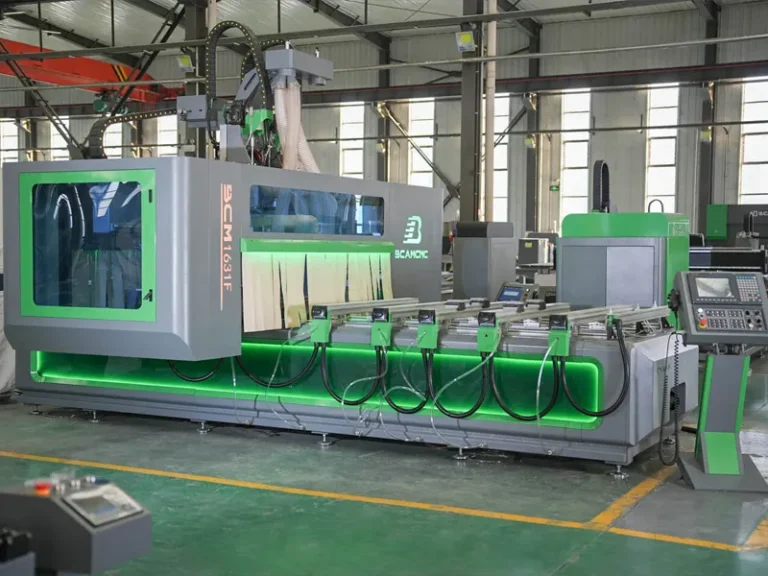
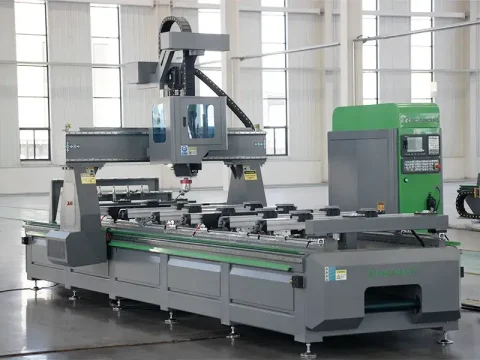
As manufacturing technology evolves, selecting the right CNC router remains crucial for businesses aiming to enhance precision and efficiency. Whether you’re in woodworking, metal fabrication, or sign-making, this updated 2025 Buyer’s Guide breaks down the essential factors to consider before purchasing a CNC router.


1. Determine Your Cutting Needs

Material Compatibility: Ensure the machine supports wood, aluminum, plastics, or composites.

Work Area Size: Match the cutting bed dimensions (e.g., 4’x8′ for sheet goods, smaller for detailed engraving).


2. Core Machine Specifications

Spindle Power: 3kW–15kW (higher power for metals, lower for softer materials).

Speed & Precision: Look for high RPM (24,000+ for fine detail) and repeatability within ±0.001″.


3. Automation & Software

ATC Systems: Automatic tool changers (6+ tools) reduce downtime.

User-Friendly Software: Compatibility with industry standards like Mach3, VCarve, or Fusion 360.


4.Budget vs. Performance

Entry-level models: Start at $4,000 (e.g., basic 3-axis wood routers).

Mid-range systems: 8,000–20,000 (ATC, larger work areas, metal-cutting capability).

Industrial-grade CNC routers: $5,000+ (5-axis, robotic integration, high-volume production).


Why This Matters for Your Business

Upgrading to a 2025-ready CNC router can significantly boost production speed and precision. Whether you’re crafting custom furniture or aerospace parts, aligning your purchase with this year’s advancements ensures long-term ROI.

cnc router (2).jpg


Share This Article With Others

Further Reading

5-Axis Machining of Complex Curvatures in Wind Blade Molds

Applications of 5-Axis CNC Routers in Wind Turbine Blade Manufacturing

5-axis CNC routers are increasingly used in wind turbine blade manufacturing, particularly for edge trimming, root drilling, and mold production. Rather than replacing traditional processes, their value lies in improving accuracy, reducing manual intervention, and enabling consistent machining of complex composite geometries. This article outlines where 5-axis systems provide measurable benefits—and where careful process integration remains essential.
3axis VS 5axis

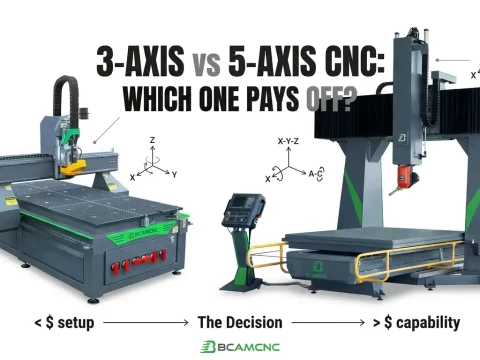
5-Axis vs. 3-Axis CNC Routers: When Does the Investment Actually Pay Off?

Most manufacturers don’t lose money because of the machine they buy—but because they choose the wrong one for their production reality. This guide breaks down the real differences between 3-axis and 5-axis CNC routers, not just in terms of movement, but in labor cost, setup time, tool performance, and error rates. If your workflow involves repeated setups, long tools, or complex geometries, the cost of staying with 3-axis may already exceed the investment in 5-axis.
5-axis-cnc-router-boat-mold-machining-greece

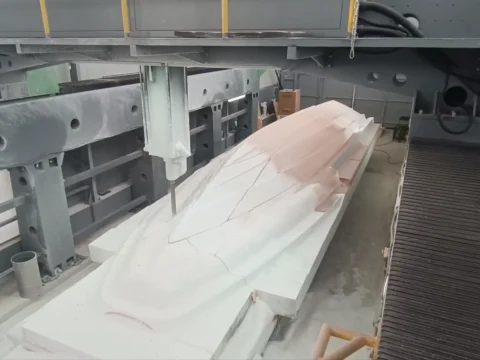
Large-Scale Marine Mold Machining with 5-Axis CNC Routers

Large-scale marine mold machining requires more than size—it demands accuracy, stability, and process control. A Greek shipyard reduced mold production from weeks to days by adopting a DL Series 5-axis CNC router from BCAM CNC, achieving consistent surface quality, reliable 24/7 operation, and reduced manual finishing.

Post Your Review

Leave a Reply