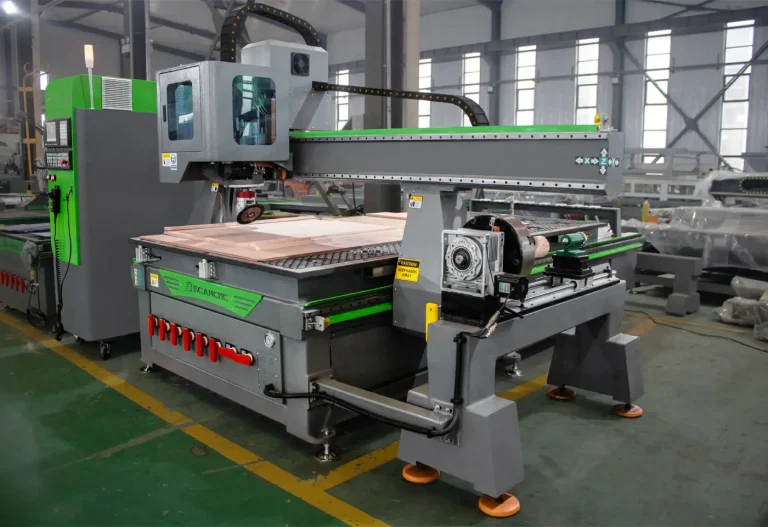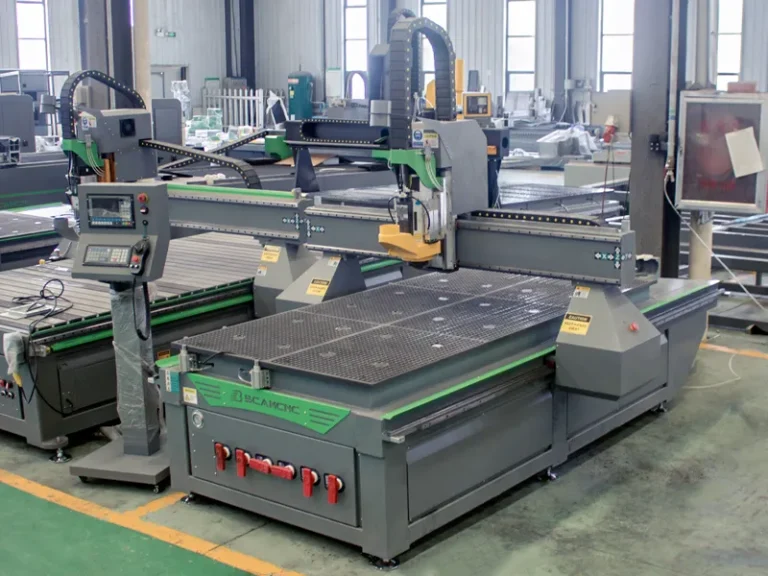

Laser cutting is a modern material processing technology that uses a focused light beam (laser) to precisely separate different materials. Whether working with metal, wood, acrylic, or plastics, this technology has become essential in industrial manufacturing because it speeds up production, minimizes material waste, and delivers highly accurate results.
The process works by heating the material with a concentrated laser beam until it melts or vaporizes. At the same time, a technical gas—such as oxygen, nitrogen, or compressed air—is used to remove the molten material and ensure clean, burr-free edges. With modern CNC laser cutting systems, even complex shapes can be manufactured efficiently and with high precision, making production more flexible and cost-effective.
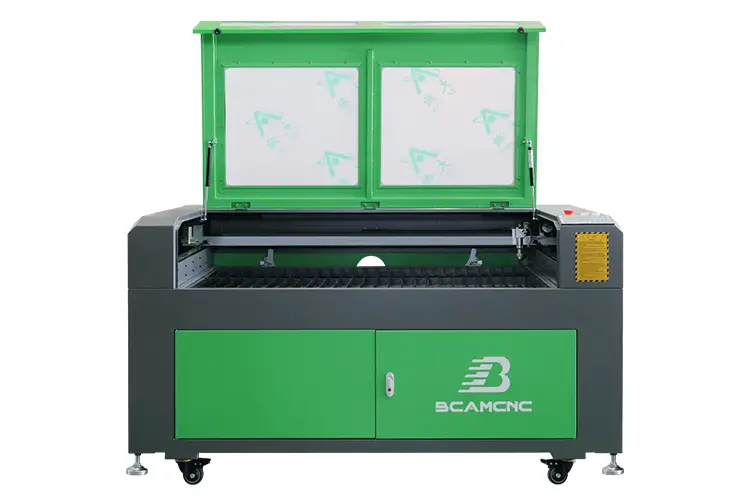
CO₂ Lasers
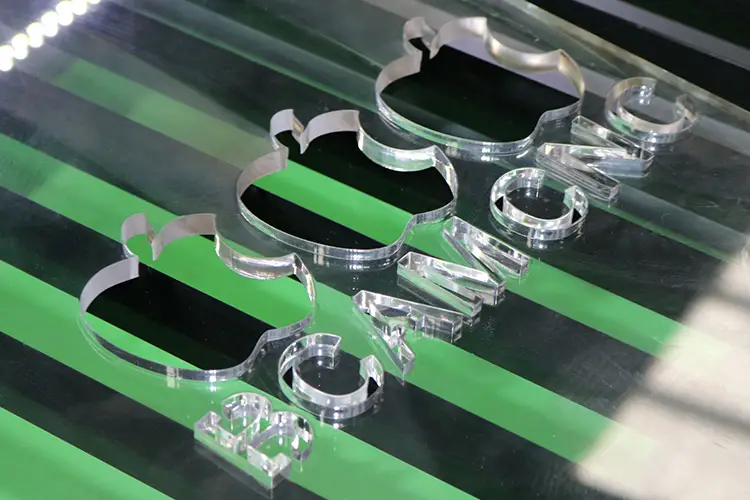
CO₂ lasers use carbon dioxide as the active medium and are suitable for a wide range of materials, including metals, wood, plastics, and composites. They produce very fine laser beams, resulting in smooth, precise edges that are ideal for detailed components and decorative applications, such as signage or intricate metal parts. While CO₂ lasers may cut thicker materials more slowly and require regular maintenance of the cooling system, they remain a versatile and reliable option for industrial production.
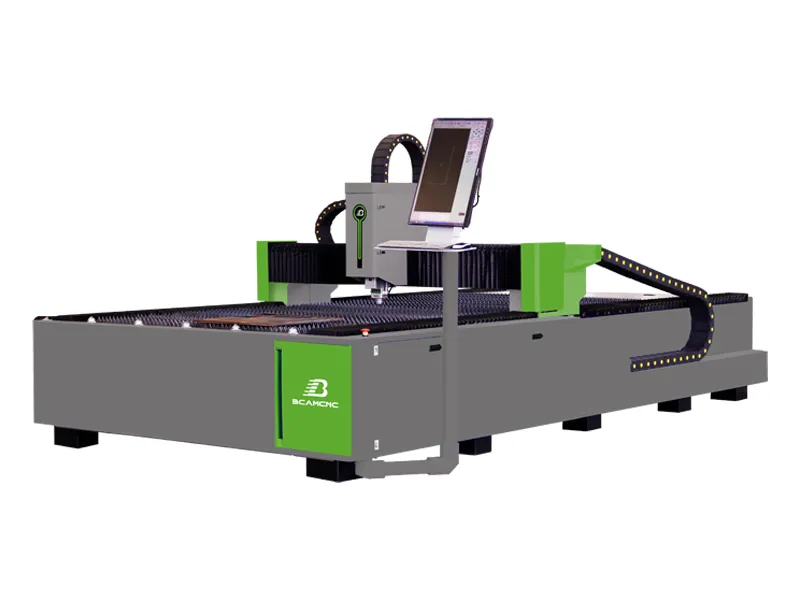
Fiber Lasers
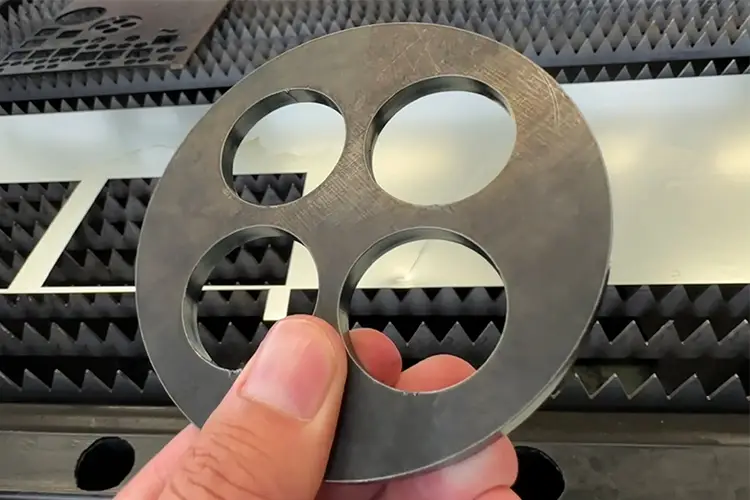
Fiber lasers generate and amplify the laser beam through special optical fibers, which provides high energy efficiency and minimal energy loss. They achieve very high cutting speeds, even for thicker metals, and their compact design requires less maintenance, making them ideal for industrial manufacturing environments. Fiber lasers are particularly effective for thin metals such as stainless steel, aluminum, or brass when high precision and fast processing are required.
Applications and Benefits of Laser Cutting
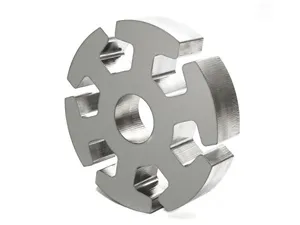
Laser cutting offers a precise, flexible, and cost-efficient solution for modern manufacturing. CNC laser machines enable complex geometries to be processed with minimal material waste and exceptional edge quality. Typical applications include metal fabrication, machinery components, signage, and prototyping. This technology enhances productivity, reduces production times, and ensures high-quality finished products.
Discover BCAMCNC powerful CO₂ and fiber laser machines for your manufacturing needs – precise, reliable, and tailored to your industrial requirements.