
How to Prevent Thermal Damage in Fiber Laser Cutting?
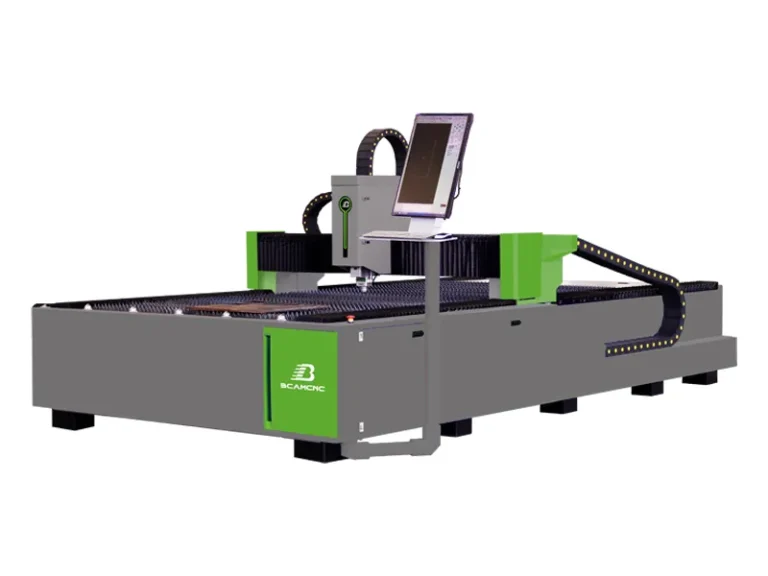
Practical strategies for controlling heat, optimizing parameters, and protecting materials during fiber laser cutting
Practical strategies for controlling heat, optimizing parameters, and protecting materials during fiber laser cutting
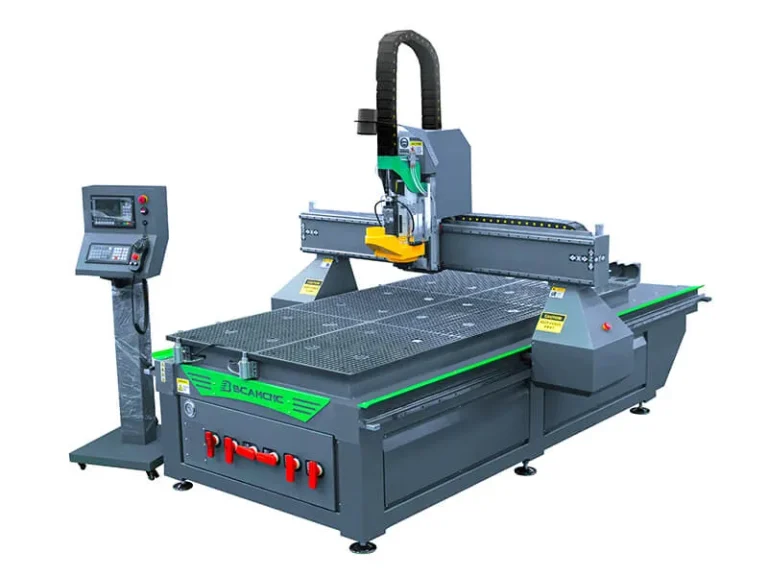
A CNC router is a computer-controlled cutting machine used for wood, MDF, acrylic, and aluminum. It improves accuracy, speeds up production, and helps workshops work more efficiently.
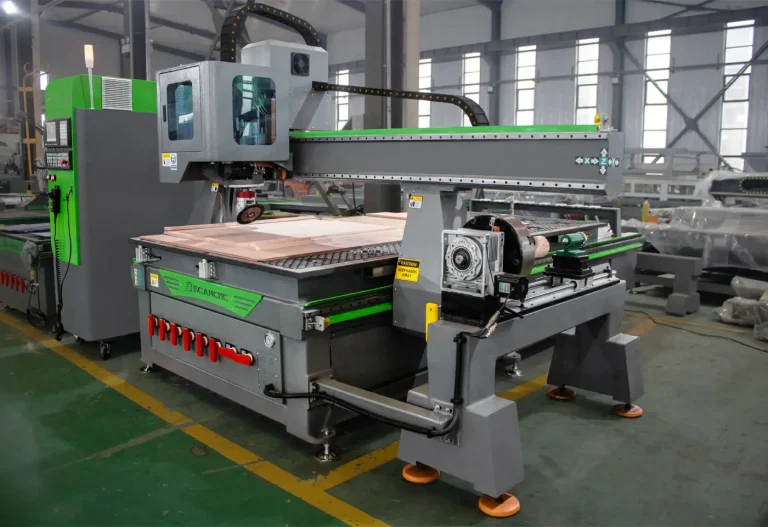
A CNC router uses computer-controlled motion to cut and shape materials with high accuracy. By reading G-code instructions, the machine moves a spindle along the X, Y, and Z axes to create precise parts from wood, aluminum, plastics, and more. This automated process gives shops consistent results, faster production, and a reliable way to scale from simple projects to full-sheet manufacturing.
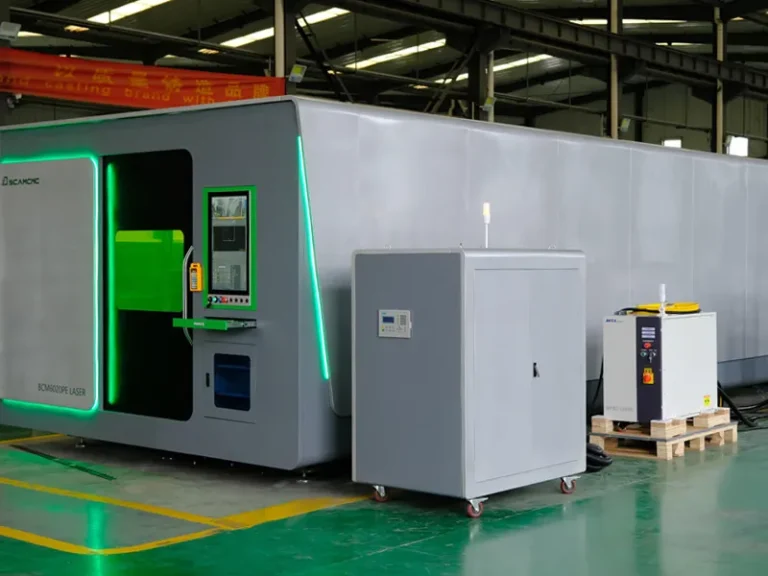
A complete guide to reducing wear, optimizing parameters, and keeping your fiber laser cutter in peak condition
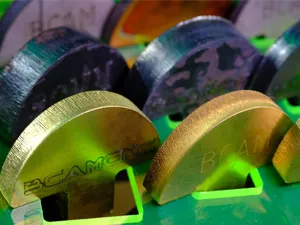
Cutting reflective metals—especially aluminum, copper, and brass—has always been challenging for fabricators. These materials reflect a large portion of the laser energy, making penetration unstable and increasing the risk of back-reflection damage to the cutting head or laser source. This article explains why reflective metals behave differently under fiber laser irradiation and introduces effective solutions such as pulsed cutting mode, optimized parameters, and anti-reflection protection. With the right techniques and a capable BCAMCNC fiber laser machine, achieving clean and consistent results on non-ferrous materials becomes much easier.
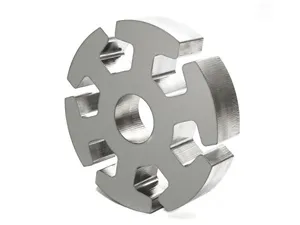
Inconsistent cutting results—such as rough edges, incomplete penetration, and varying kerf width—are common challenges in fiber laser cutting. These issues usually stem from incorrect parameter settings, unstable focus control, or material variations. In this article, we break down the most frequent causes of unstable cutting quality and provide practical, shop-ready solutions to help you achieve clean, repeatable, and professional results every time. BCAMCNC also offers advanced fiber laser systems designed to maintain consistent cutting performance across all materials and thicknesses.
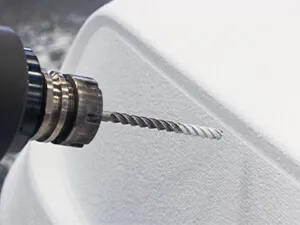
A 5-axis CNC machine offers faster production, higher accuracy, and the ability to cut complex shapes in a single setup. This guide explains how 5-axis CNC machining works, its advantages, common applications, and how to choose the right machine for your workshop.
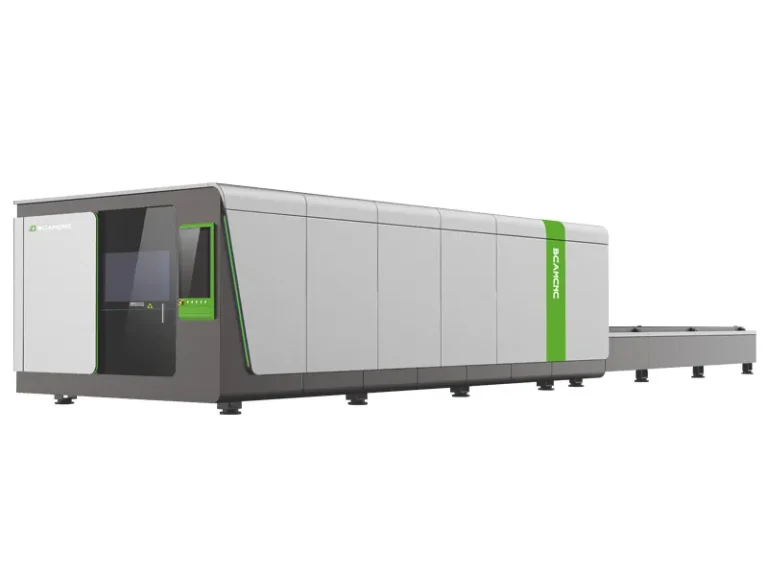
Controlling fiber laser dust is essential for achieving consistent cutting quality and prolonging machine lifespan. This article explores practical dust-control solutions—including ventilation setups, dust collectors, airflow design, and workshop management tips—to help metal fabrication businesses maintain a safer, cleaner, and more efficient working environment.

BCAMCNC will showcase its latest CNC router and edge banding technology at the 19th International Woodworking & Furniture Production Equipment, Materials and Components Exhibition, held on December 2–5, 2025, at Crocus Expo, Moscow. Visit us at Hall 4, Pavilion 1, Booth A1087.
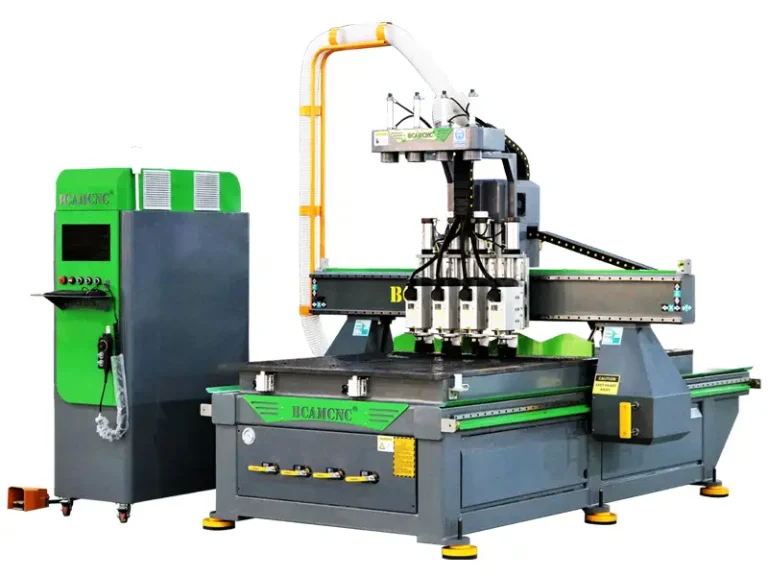
A 4-process CNC router helps you finish cutting, engraving, drilling, and slotting in one setup, saving time and improving consistency for woodworking production.
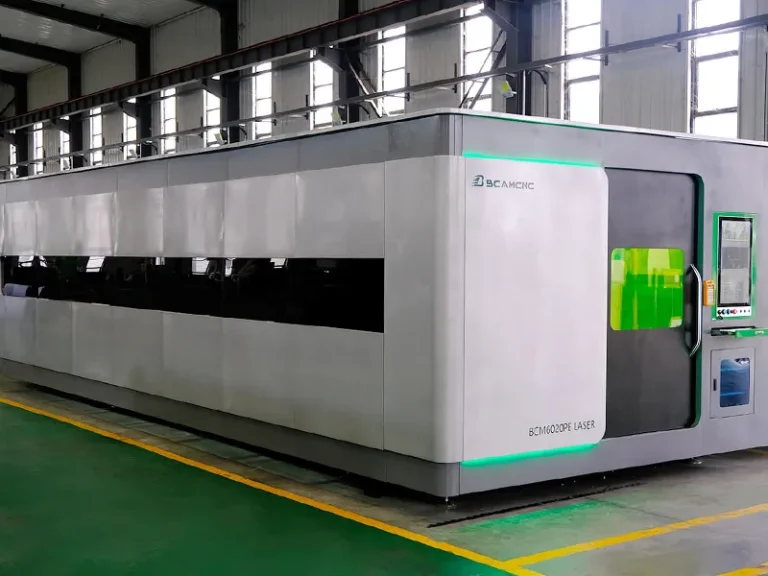
Proper cleaning is essential for maintaining cutting quality and protecting your equipment. This article explains practical methods for removing fiber laser dust—from daily manual cleaning to using industrial vacuums, dust collectors, and scheduled maintenance—to help workshops create a safer and more efficient production environment.
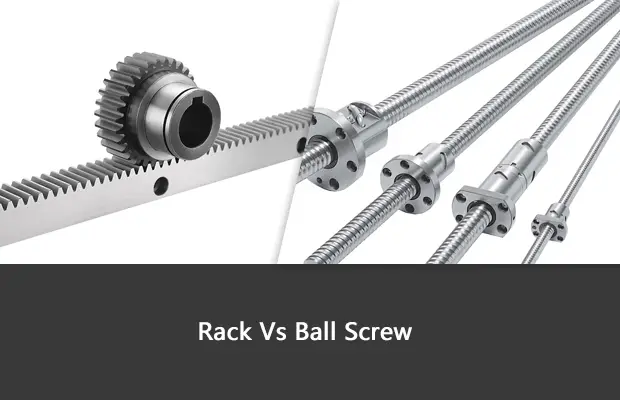
Choosing between rack-and-pinion and ball screw drive systems is a key decision when buying a CNC router. Each system has different strengths. This guide helps you understand the differences and pick the right one for your business.