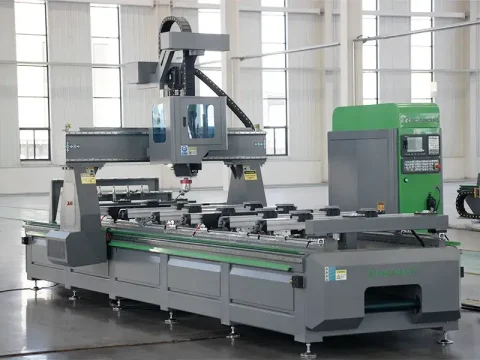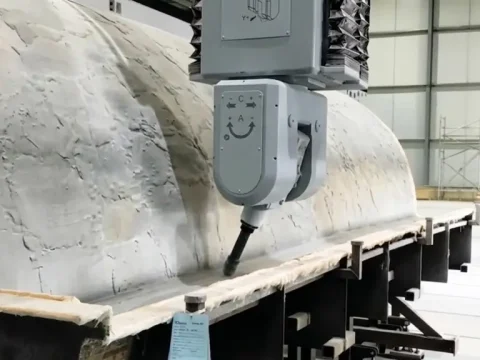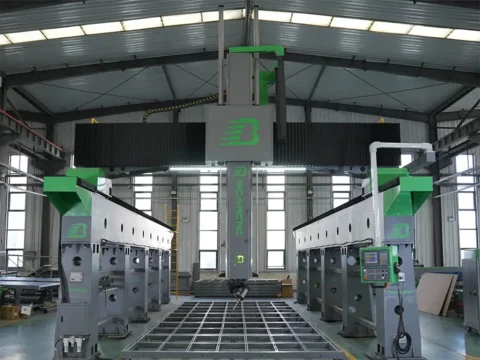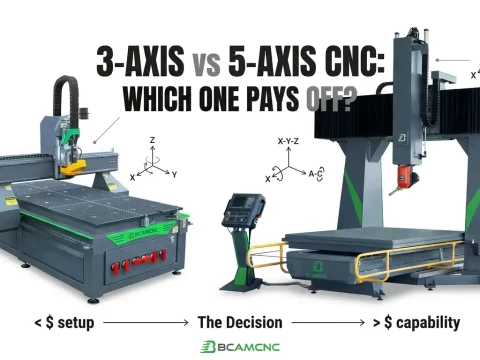

Flat carving and relief carving are common engraving methods of stone cnc router machine. Let’s take a look at the two differences.
1. Flat carving: Flat carving is basically carving on the stone. The image is carved out and the picture is recessed. Flat sculpture is basically painted on a flat medium (such as slate, tile), and there is basically no real sculpture, so it is also called “imaginary color”.
Ping carving, the carved pattern must maintain a certain height and depth with the surface of the carving. There are two types of flat carving: inverted and positively carved: dig out the pattern part so that the displayed pattern is lower than the surface of the ground. This practice is called inverted carving. For example, the ring line of the core board of the cabinet door, the skirt board on the plaque seat and the draped teeth are mostly flat-carved techniques, and most of the sun patterns are used. The intaglio technique is not used much on furniture.
2. Relief: Relief is two-dimensional, the image is kept, and the rest is removed, the picture is protruding on the object.
relief sculpture is a kind of sculpture. The sculptor sculpts the image he wants to shape on a flat plate, so that it is out of the plane of the original material. Relief is the product of the combination of sculpture and painting. It uses compression to deal with objects, uses perspective and other factors to express three-dimensional space, and only allows one or two sides to view it. Reliefs are generally attached to another plane, so they are used more in architecture and can often be seen on utensils. Due to its compression characteristics, it occupies a small space, so it is suitable for decoration in a variety of environments.

The development of stone cnc router machine has brought new opportunities for art. It allows handicrafts that originally required handwork to be quickly engraved with cnc router machines. Stone engraving and carving is an art. The charm of this art cannot be expressed in words. from. Manual engraving requires superb skills. What the stone cnc router machine needs is the precise operation of the computer. The existence of the stone cnc router machine makes our life colorful and full of fun.
The exquisite stones seem to be able to speak. People who have obtained artistic talent and aesthetic interest from the history of stone carving and “stone culture” will learn to discover beauty from these stubborn stones. With the development of society and the improvement of the level of science and technology, the development of the sculpture industry has promoted the development of stone carving and promoted the further improvement of the stone carving crafts industry.
With the continuous advancement of science and technology, the grade of stone carving art has been gradually improved. This also puts forward higher requirements for stone carving machines. Stone carving art needs exquisite skills to carve, so the stone carving machine must improve its performance and improve The accuracy of the work can produce better artworks.