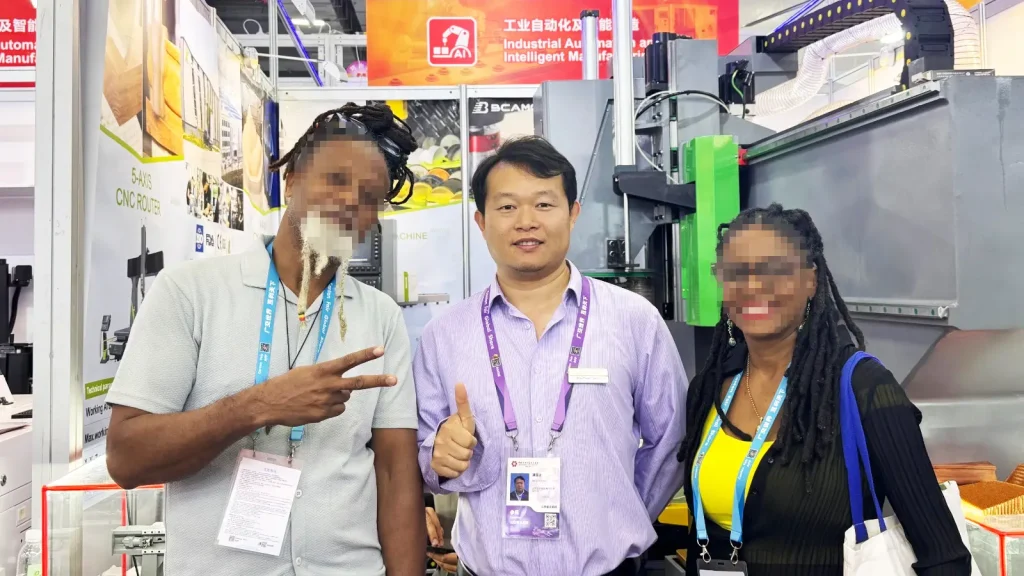
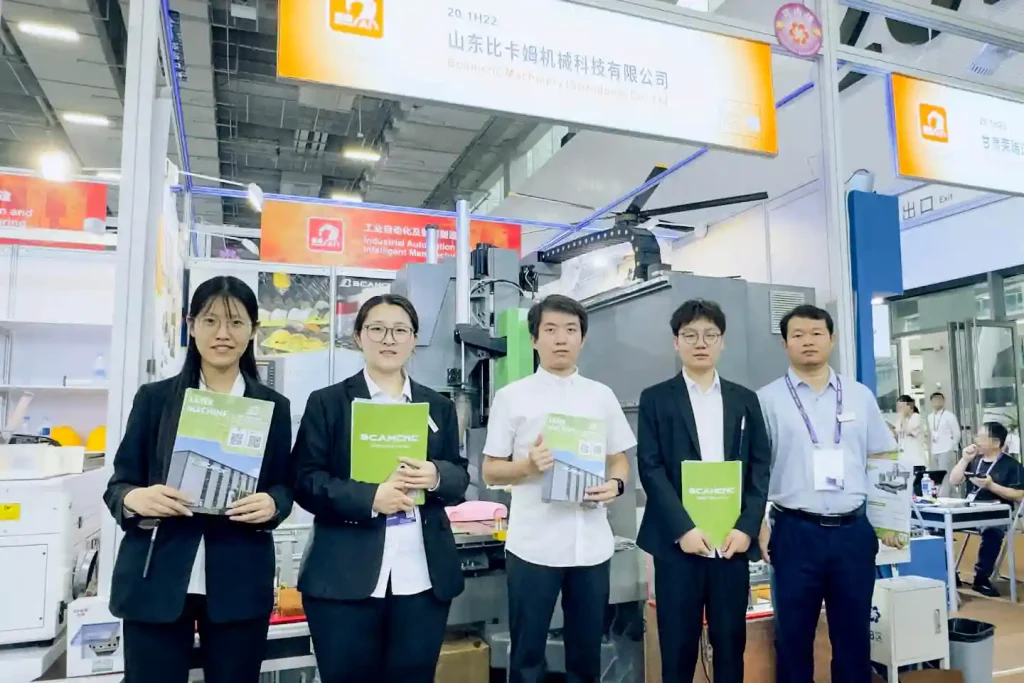
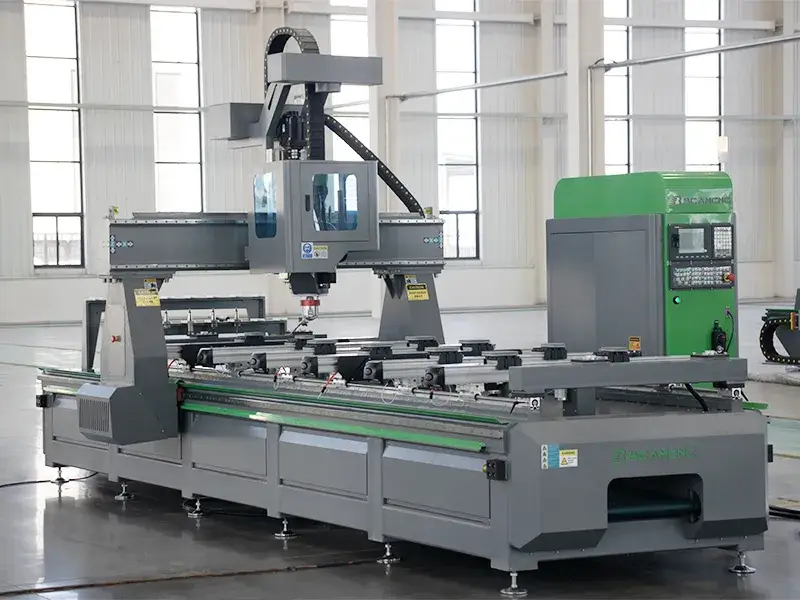
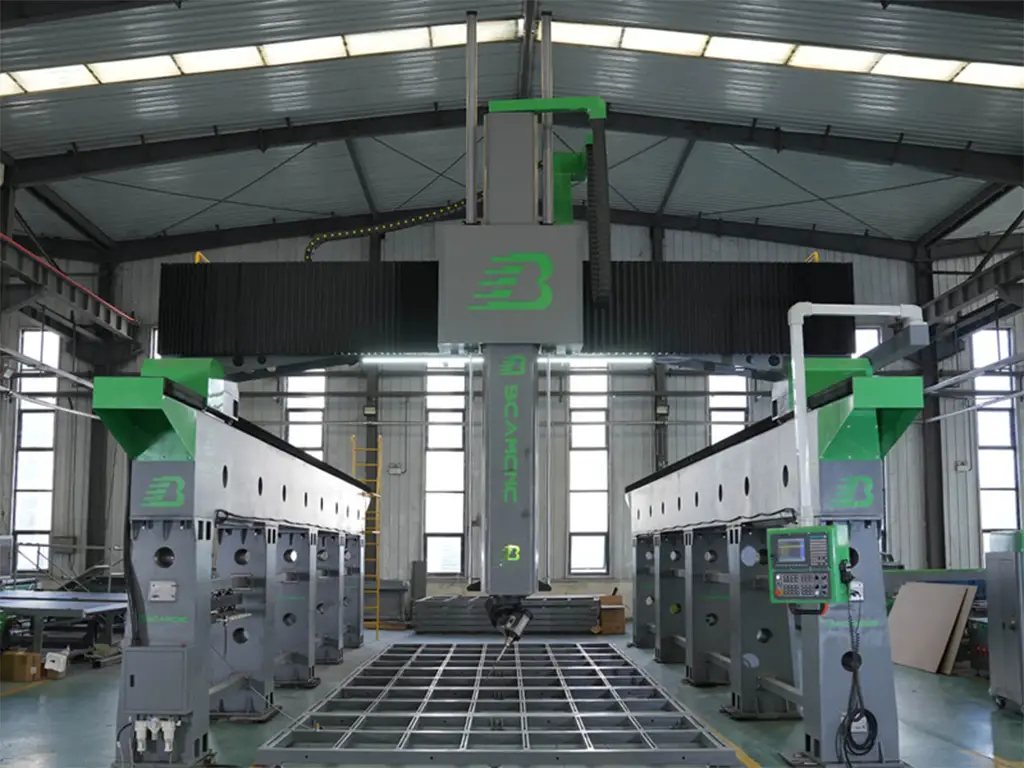
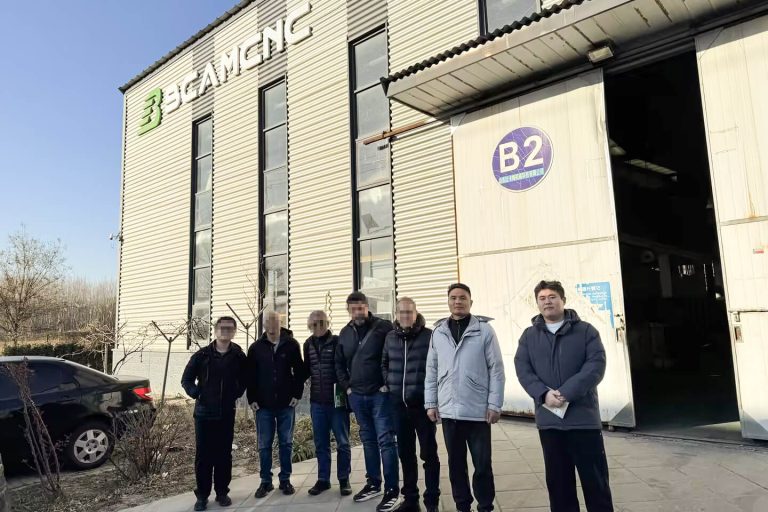
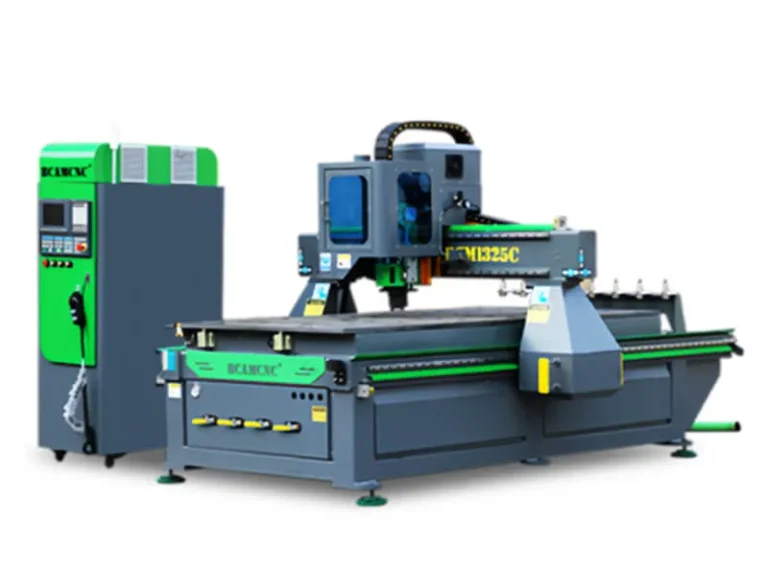
On Day 3 of the 139th Canton Fair, BCAMCNC sees a clear shift from general interest to serious application discussions. Buyers are actively exploring how the 5-Axis CNC Router 1313 can improve efficiency, handle complex geometries, and support multi-material production.
Day 2 at Canton Fair: BCAMCNC 1313 takes center stage with live demonstrations of true 5-axis linkage and aluminum cutting. Discover why global manufacturers are upgrading their production lines with our CE-certified precision technology. Visit Booth 20.1H22!
Cheap CNC routers may look good on paper, but real-world use tells a different story. This article breaks down the hidden differences in bearings, screw systems, control noise, and software—based on hands-on experience, not spec sheets.
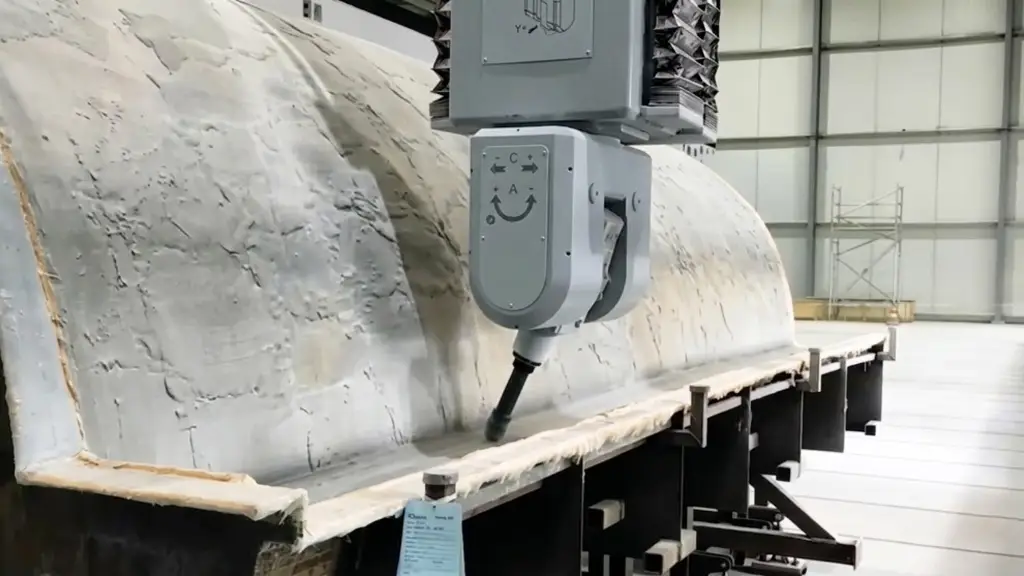
5-axis CNC routers are increasingly used in wind turbine blade manufacturing, particularly for edge trimming, root drilling, and mold production. Rather than replacing traditional processes, their value lies in improving accuracy, reducing manual intervention, and enabling consistent machining of complex composite geometries. This article outlines where 5-axis systems provide measurable benefits—and where careful process integration remains essential.
Stop losing profit to the "Setup Trap." In 2026, manual repositioning is your biggest hidden cost. Discover how BCAMCNC 5-axis solutions eliminate alignment errors and reduce labor by 70%, transforming complex mold-making from a headache into a high-speed profit engine.
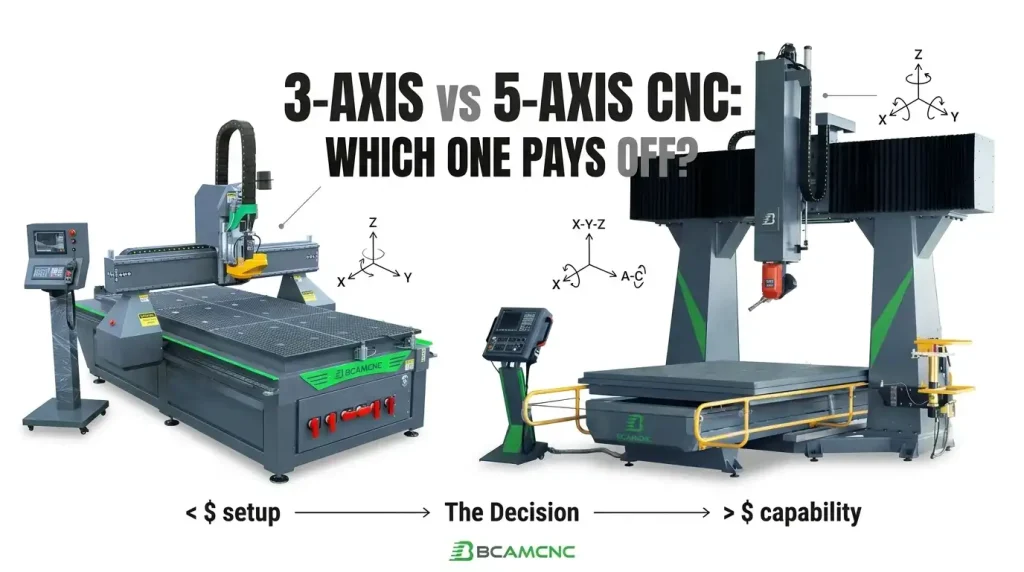
Most manufacturers don’t lose money because of the machine they buy—but because they choose the wrong one for their production reality. This guide breaks down the real differences between 3-axis and 5-axis CNC routers, not just in terms of movement, but in labor cost, setup time, tool performance, and error rates. If your workflow involves repeated setups, long tools, or complex geometries, the cost of staying with 3-axis may already exceed the investment in 5-axis.
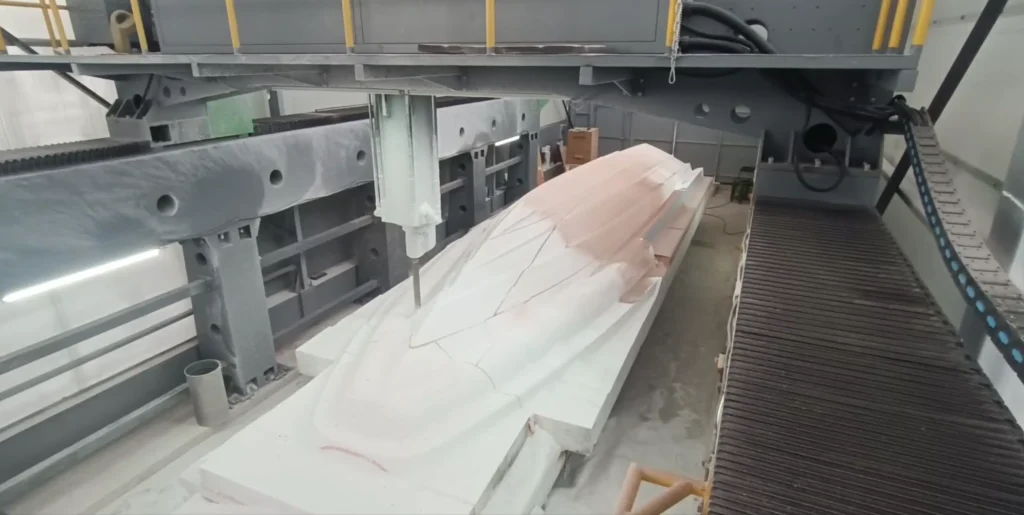
Large-scale marine mold machining requires more than size—it demands accuracy, stability, and process control. A Greek shipyard reduced mold production from weeks to days by adopting a DL Series 5-axis CNC router from BCAM CNC, achieving consistent surface quality, reliable 24/7 operation, and reduced manual finishing.
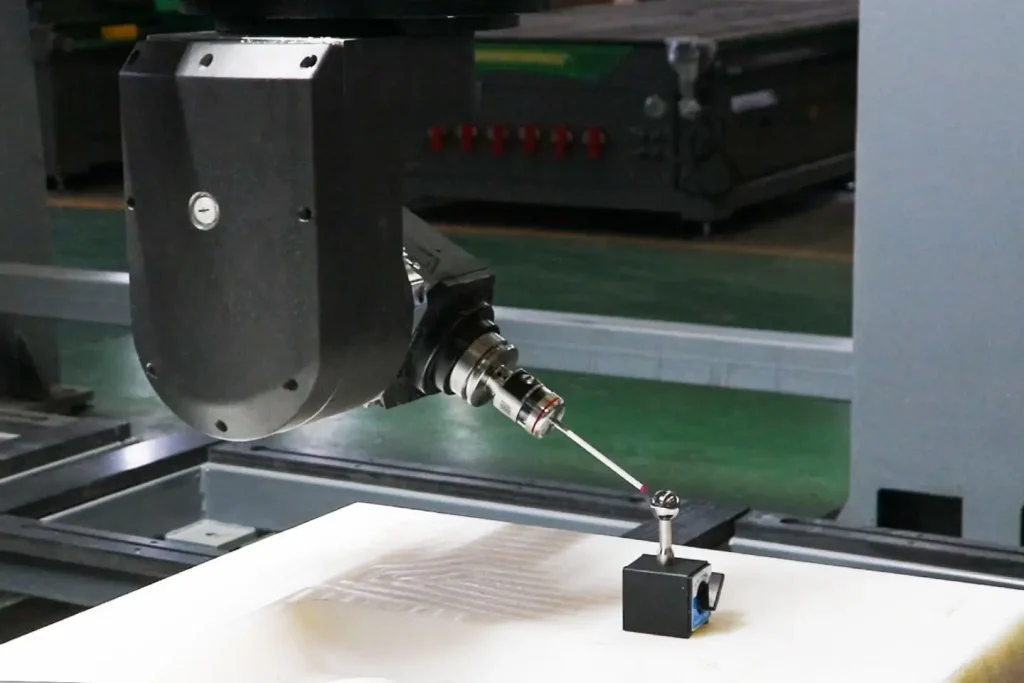
Discover how kinematic calibration ensures true accuracy in a 5 axis CNC router. Learn how RTCP errors occur and how to eliminate machining deviations in complex 5-axis operations.
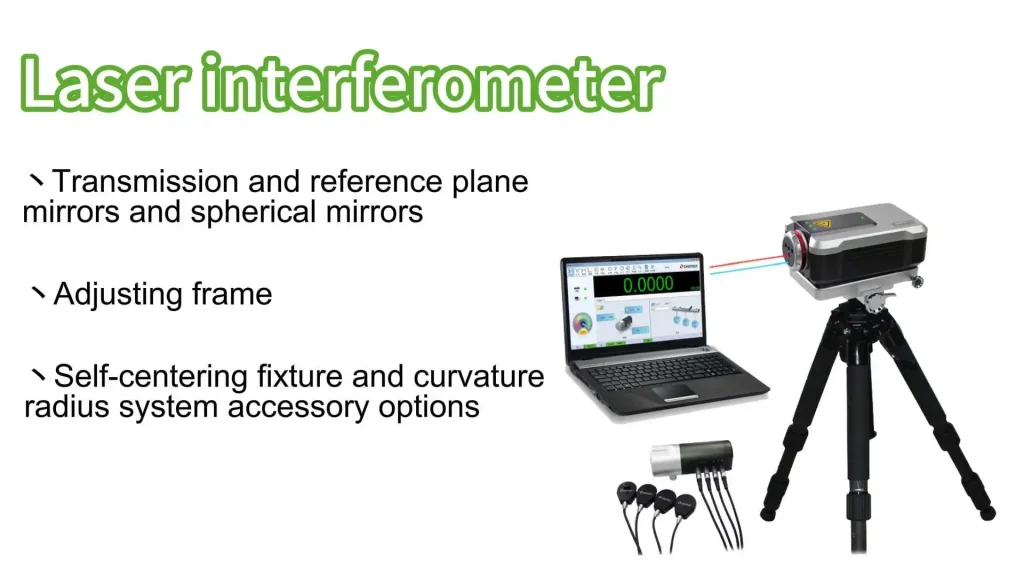
In the high-stakes world of 5-axis manufacturing, "close enough" is a recipe for expensive scrap. This deep dive analyzes the recent Renishaw laser interferometer test results for the BCAMCNC BCM2030D, achieving tolerances of X/Y 0.03mm and Z 0.01mm. We strip away the marketing jargon to explain why these specific numbers are critical for eliminating "witness marks" in large-scale molds, ensuring absolute RTCP accuracy during simultaneous movement, and why a machine's "bones" must be as stable as its software compensation. For production managers, this is the difference between a pattern-maker and a mold-maker.