
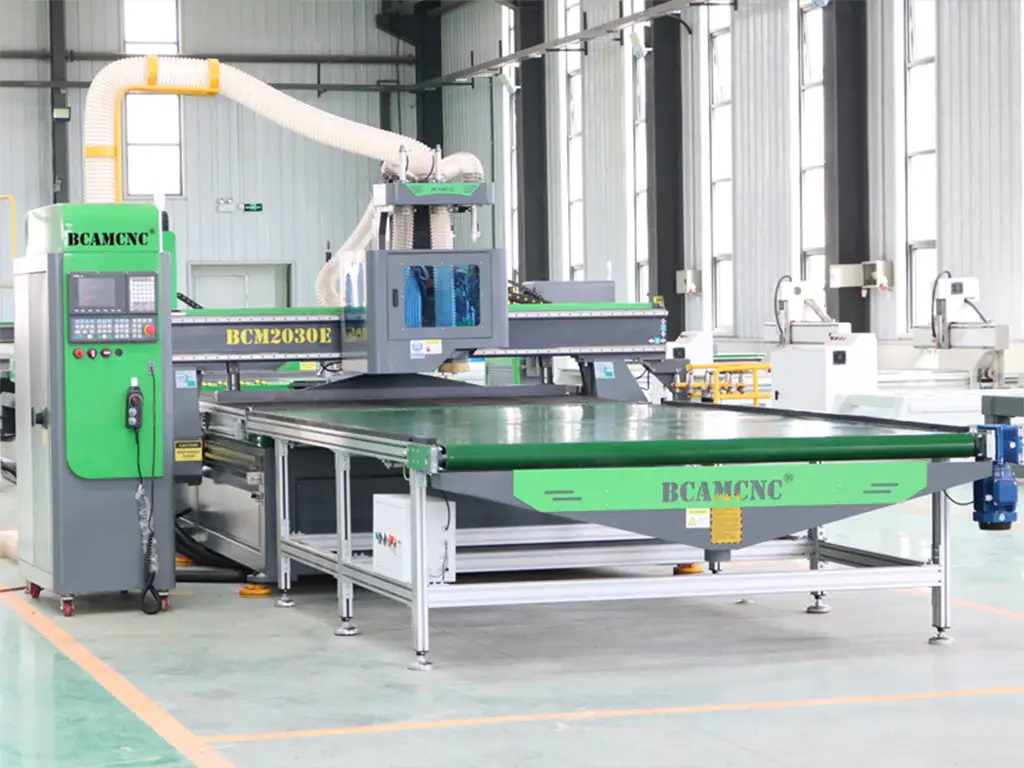
Why CNC Routers Are Transforming Furniture Production
Furniture manufacturing has evolved dramatically over the past two decades. Traditional woodworking techniques still hold value, but the increasing demand for speed, precision, and customization has driven manufacturers toward automation. One of the most impactful innovations in this sector is the CNC router for furniture.
Unlike manual cutting tools, a CNC furniture making machine allows companies to process wood, MDF, plywood, and other materials with remarkable efficiency. From panel cutting to decorative engraving, CNC routers are redefining the possibilities of modern furniture production.
In this article, we will explore how CNC routers are applied in furniture manufacturing, their advantages, real-world applications, and future trends in the woodworking industry.
What Is a CNC Router for Furniture?
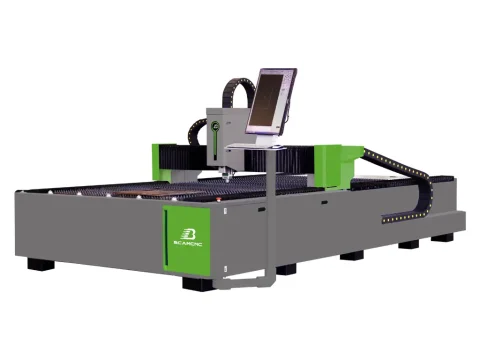
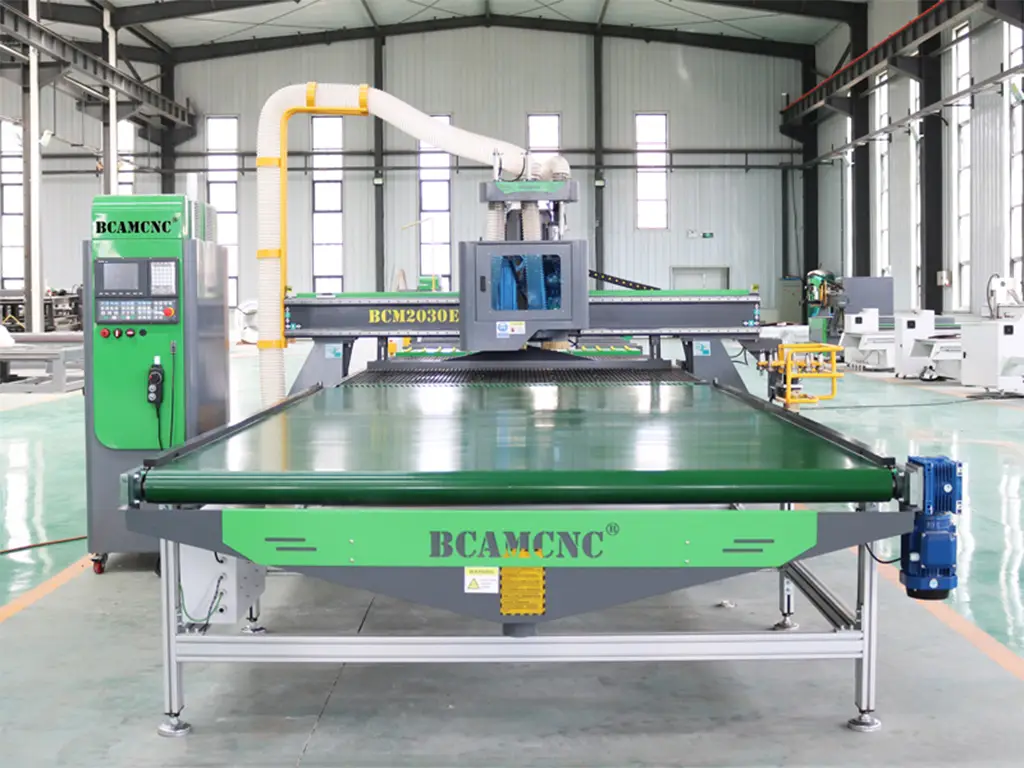
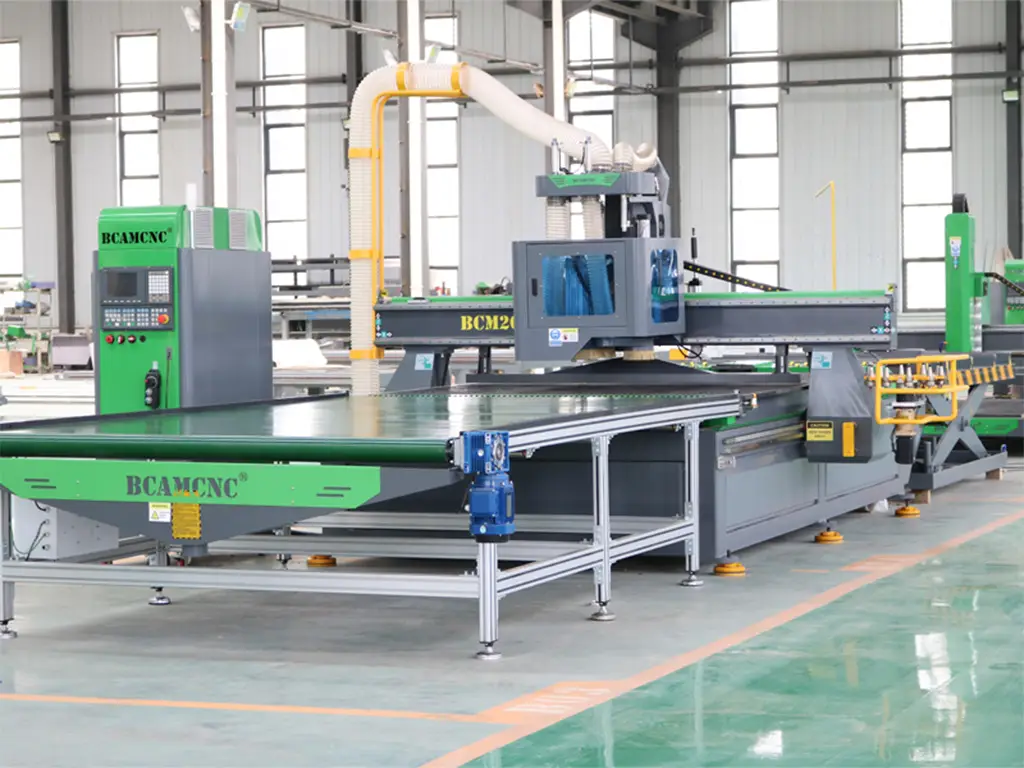
A CNC router for furniture is a computer-controlled cutting and shaping machine designed to process wood and composite boards. Using CAD/CAM software, the operator can design parts digitally, and the router automatically executes precise cuts, engravings, and carvings.
Key features include:
-
High precision through digital programming.
-
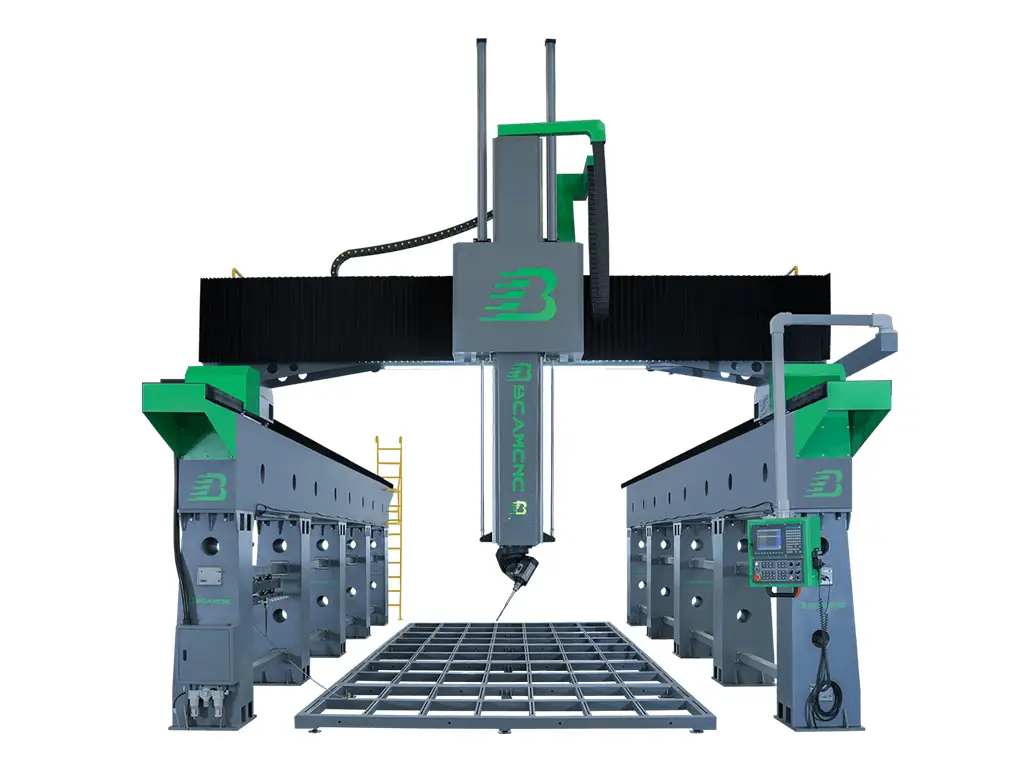
Multi-axis movement (3-axis, 4-axis, or 5-axis).
-
Versatility for cutting, drilling, and carving.
-
Automation for mass production and complex designs.
This makes the CNC cutting machine for furniture a cornerstone in today’s woodworking industry.
Advantages of Using CNC Routers in Furniture Production
1. Precision and Accuracy
Manual cutting often results in inconsistencies. A CNC router woodworking machine ensures that every component—whether it’s a chair leg, cabinet door, or tabletop—matches design specifications with millimeter-level accuracy.
2. Efficiency and Speed
CNC routers can run continuously, cutting multiple parts from large boards within minutes. This makes them ideal for mass furniture production without compromising quality.
3. Design Flexibility
Complex patterns, 3D carvings, and intricate inlays are possible with a CNC router for wood furniture. Designers can experiment with creativity, knowing the machine can replicate even the most detailed artwork.
Applications of CNC Routers in Furniture Manufacturing
1. Panel Furniture Production
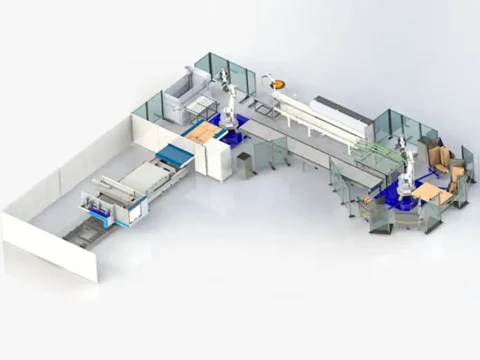
CNC cutting machines for furniture are widely used in panel furniture manufacturing, including wardrobes, cabinets, and office desks. They can cut board materials into panels of precise size and shape, while drilling holes for connectors.
2. Solid Wood Furniture
CNC routers can shape and carve solid wood furniture such as tables, beds, and chairs. They handle both structural parts and decorative detailing with accuracy.
3. Cabinet Doors and Decorative Panels
A CNC router woodworking machine excels in creating cabinet doors, wall panels, and room dividers with decorative grooves, engravings, or 3D relief patterns.
4. Upholstered Furniture Frames
Frames for sofas and armchairs require precise cutting to ensure stability and comfort. CNC routers quickly cut plywood or hardwood frames for upholstered furniture.
5. Custom Furniture and Prototyping
Small workshops and startups use CNC routers for furniture to create unique, customized designs. Whether it’s a one-off dining table or a prototype for a new chair collection, CNC machines ensure rapid turnaround.
6. Engraving and Artistic Furniture
With multi-axis capability, a CNC router for wood furniture can carve sculptures, artistic furniture pieces, and complex curved surfaces that would be nearly impossible with hand tools.
Popular CNC Router Machines Used in Furniture Industry
Some of the most common types of CNC routers for furniture include:
-
3-Axis CNC Router – Standard cutting, drilling, and shaping.
-
4-Axis CNC Router – Allows rotation and angled cutting.
-
5-Axis CNC Router – Handles complex 3D surfaces and advanced design.
-
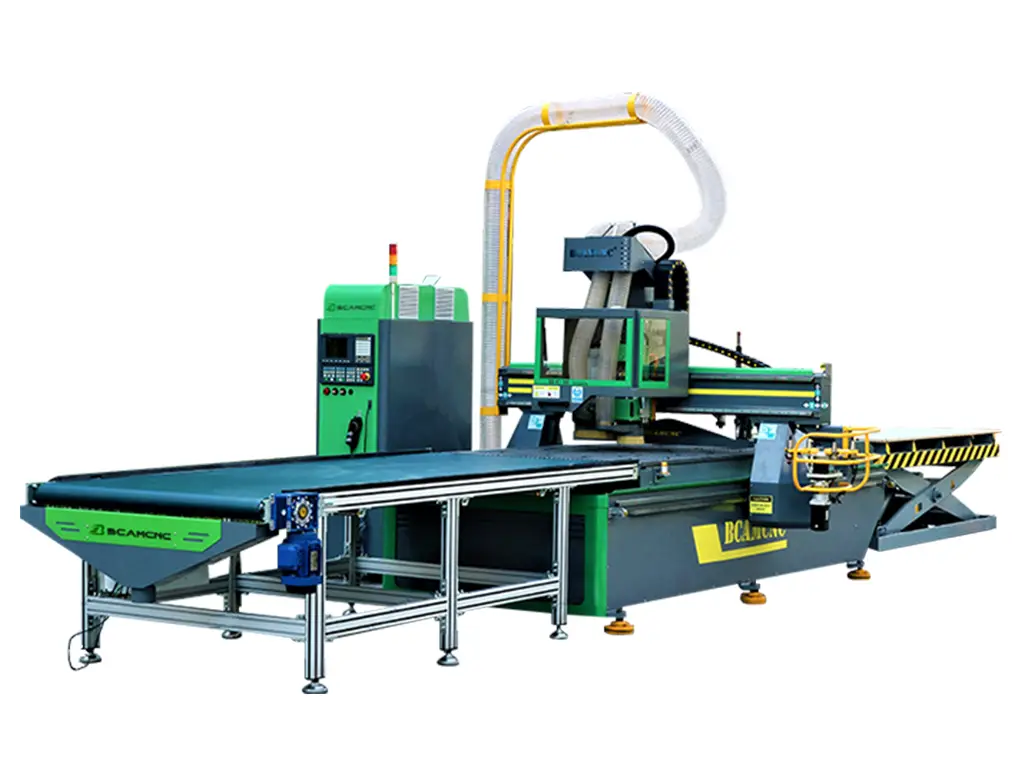
ATC CNC Router (Automatic Tool Changer) – Speeds up production by switching tools automatically.
-
Nest CNC Router – Designed for optimizing sheet material cutting with nesting software.
How CNC Routers Improve Solid Wood Furniture Manufacturing
Solid wood furniture requires greater precision because of natural variations in grain and density. A CNC router in woodworking industry ensures smooth cutting, minimal tear-out, and consistent joinery.
Applications include:
-
Mortise and tenon joints for chairs and tables.
-
Curved legs and armrests.
-
Decorative carvings for traditional and luxury furniture.
-
Precision cutting for hardwood panels.
Case Studies – Real Applications of CNC Routers in Furniture
Example 1 – Kitchen Cabinet Manufacturing
A mid-sized factory in Europe adopted a CNC cutting machine for furniture to streamline kitchen cabinet production. By integrating CAD/CAM software with a nesting CNC router, they reduced material waste by 20% and increased production speed by 40%.
Example 2 – Customized Luxury Furniture
A workshop in the United States uses CNC routers for solid wood furniture to create high-end, carved dining tables. The ability to replicate intricate patterns improved both efficiency and customer satisfaction.
Example 3 – Office Furniture Production
An Asian manufacturer producing office desks and workstations relies on CNC furniture making machines to mass-produce modular furniture systems with precision hole drilling and edge profiling.
Challenges of Using CNC Routers in Furniture Production
While powerful, CNC routers also come with challenges:
1. Initial Investment Cost
CNC woodworking machines require a significant upfront investment, which may be a barrier for small workshops.
2. Operator Training
Proper training is needed to operate CAD/CAM software and program CNC routers effectively.
3. Maintenance and Tool Wear
Continuous operation can lead to tool wear and require regular maintenance to maintain precision.
4. Dust Management
CNC routers generate sawdust and chips, making dust collection systems essential for safety and equipment longevity.
Despite these challenges, the benefits of CNC routers for furniture production—such as speed, precision, and design flexibility—far outweigh the drawbacks.
Future Trends in CNC Routers for Furniture Industry
Smart Automation – AI-driven software optimizes cutting patterns and production efficiency.
Integration with IoT – CNC woodworking machines can be monitored remotely, allowing predictive maintenance and production planning.
Eco-Friendly Production – Energy-efficient CNC routers and better dust management systems reduce environmental impact.
Hybrid Furniture Machines – Combining routing, drilling, and sanding in one unit enables streamlined production and space efficiency.
These trends indicate that CNC routers will continue to play a critical role in modern furniture manufacturing.
Conclusion
The CNC router in furniture production has transformed the woodworking industry by improving efficiency, accuracy, and design flexibility. From cabinets and wardrobes to custom solid wood furniture, these machines are indispensable for modern factories and workshops.
Investing in CNC furniture making machines allows manufacturers to:
-
Increase production speed and consistency
-
Maximize material utilization
-
Produce high-quality, customized furniture
-
Stay competitive in a global market
In summary, the CNC router woodworking machine bridges the gap between traditional craftsmanship and modern automation, delivering the best of both worlds for furniture manufacturers worldwide.